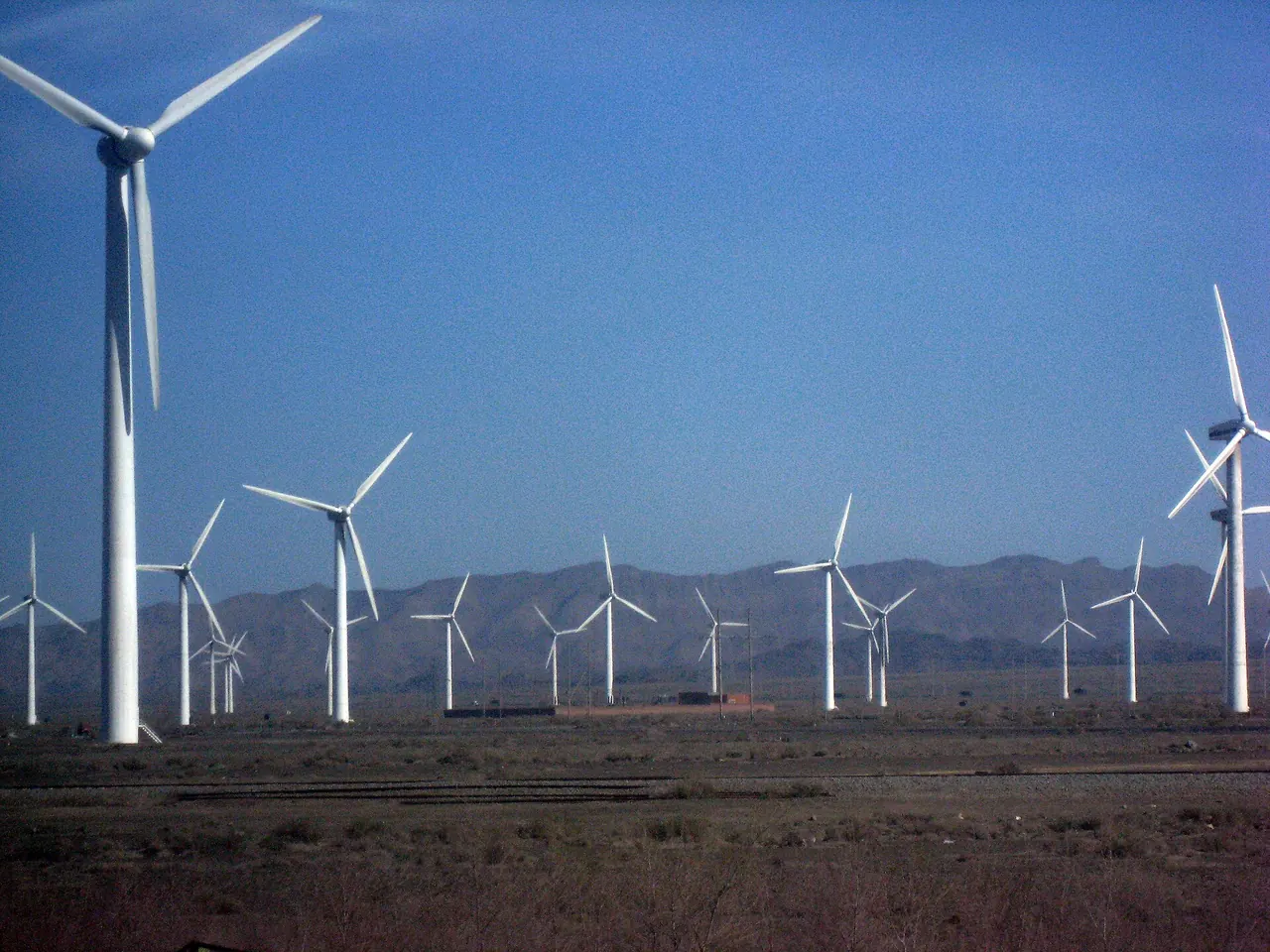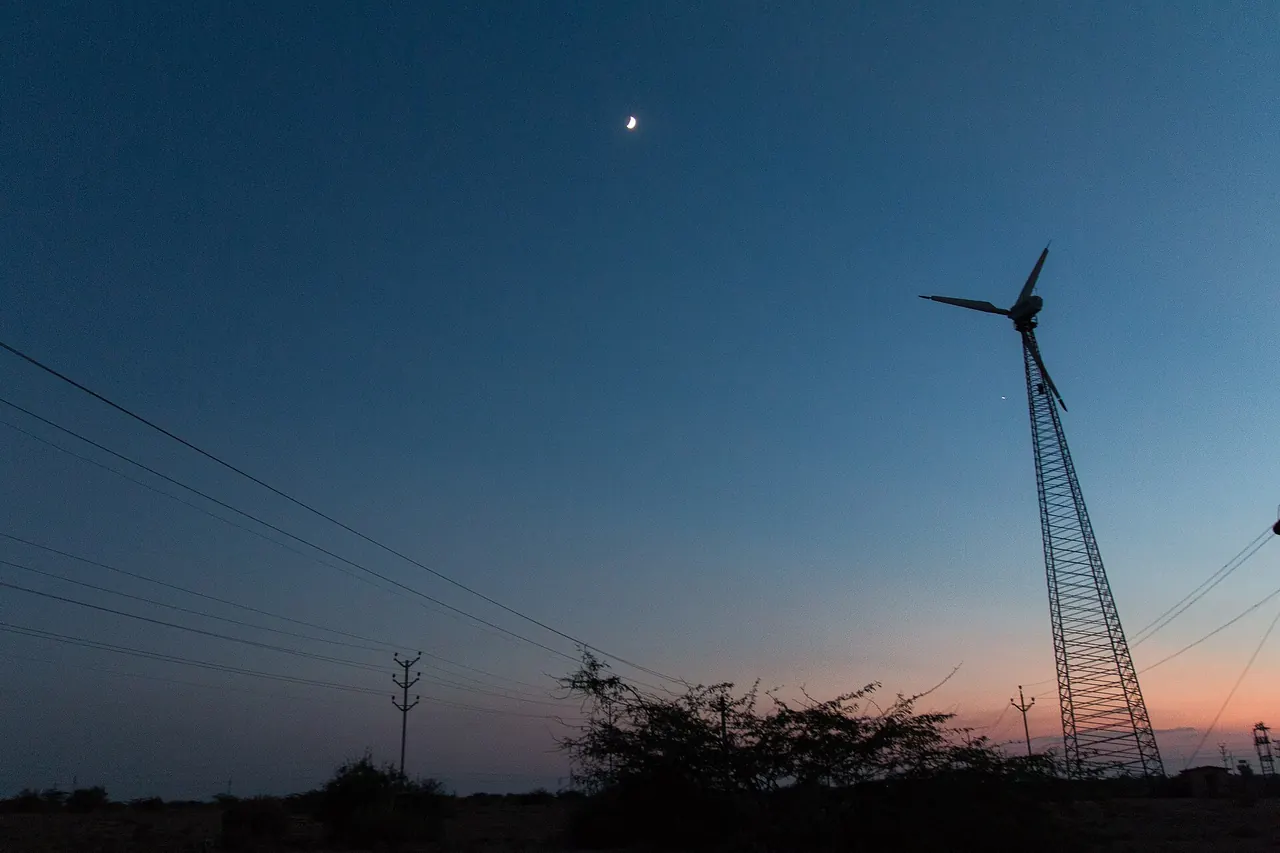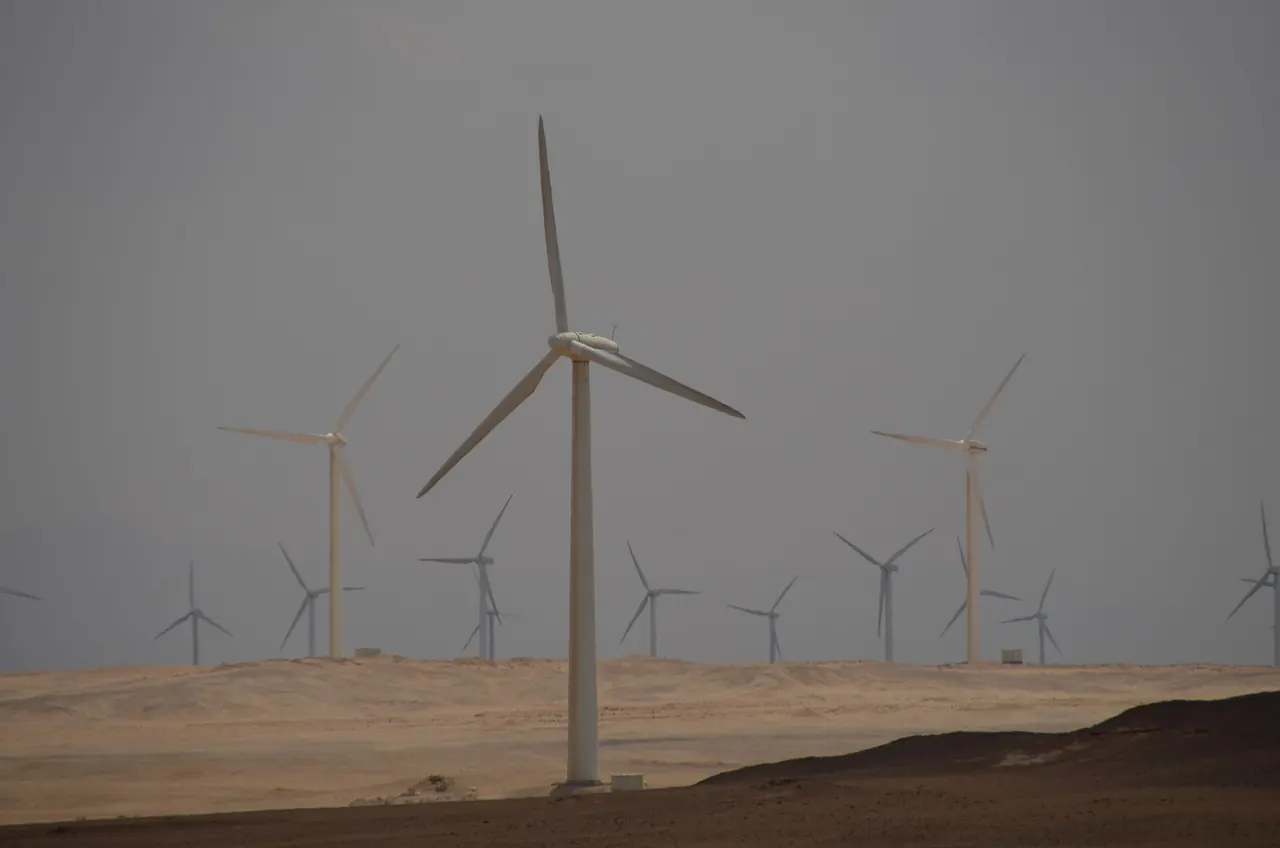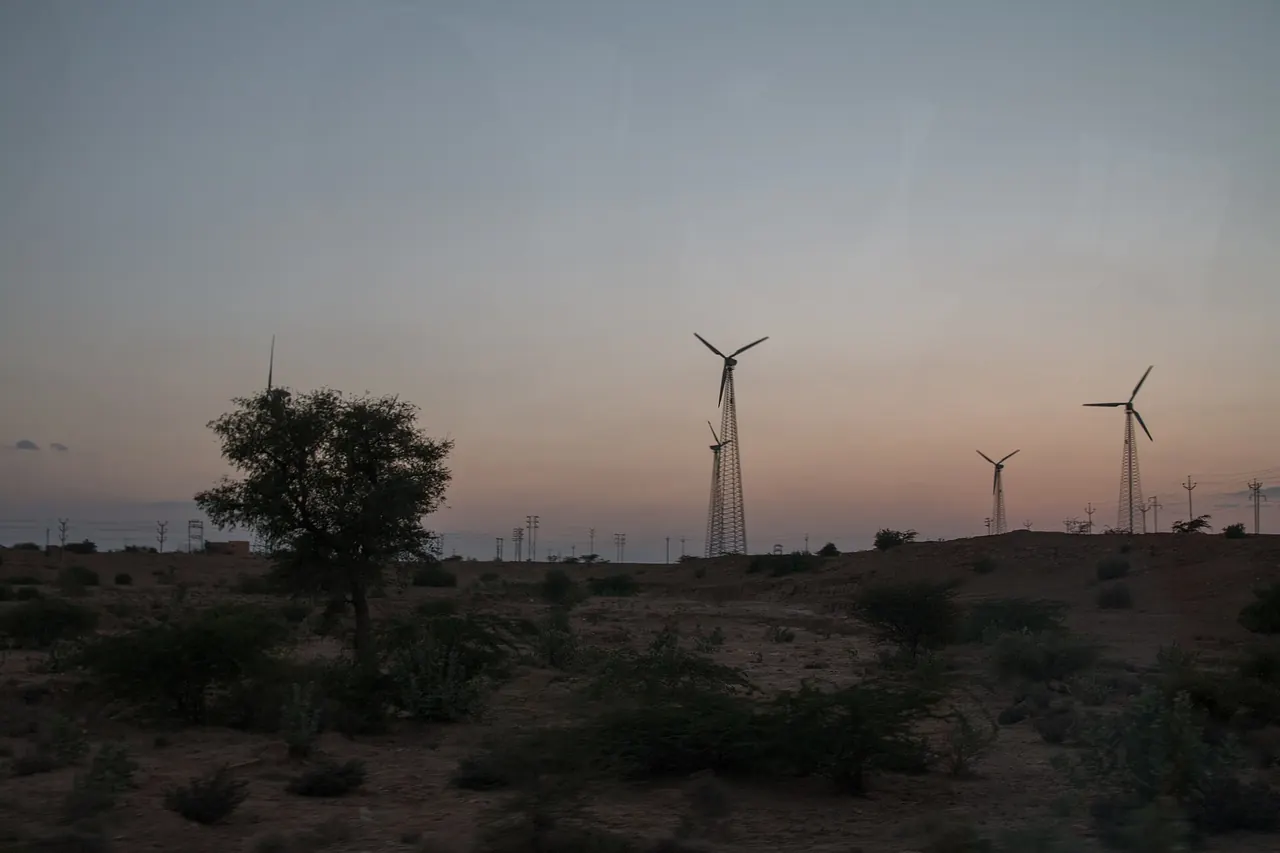
Ten weeks after the capsule went into the ground at Zhambyl, Kazakhstan’s Energy Ministry has put a quarter on Masdar’s 1 GW wind plant. Q3 2029.
The date came out of a meeting between Energy Minister Yerlan Akkenzhenov, Masdar Chief Development and Investment Officer Abdullah Zayed and UAE Ambassador to Kazakhstan Mohammed Saeed Mohammed Al Ariki. The project pairs a 1,000 MW wind plant with 300 MW of storage rated at 600 MWh, on total investment of around $1.4 billion, and construction opened with a capsule-laying ceremony in Zhambyl region on 29 June. The AIIB project file for the same asset, published on 3 April and still listed as proposed with the funding amount to be determined, fills in what the ministry readout leaves out. It counts 140 turbines and two 220 kV overhead lines running roughly 300 km to the existing Zhambyl and Kentau substations, and it states that those lines will be transferred to the Government of Kazakhstan after the scheduled commercial operation date.
Why it matters
Three years and one quarter between a groundbreaking and full operation is a schedule built around more than turbine erection. The AIIB file names the rest of it. Three hundred kilometres of line into two substations. A single-offtaker PPA with the state settlement centre, priced in dollars and paid in tenge at the rate on the day. A Category A environmental classification with five biodiversity receptors rated Critical Habitat and turbines that shut down on demand when priority bird species are flying.
What it means for MENA
Gulf sponsors keep exporting equity, and in our read the terms they accept abroad tend to become the terms they argue for at home. A developer willing to build 300 km of transmission and hand it to a government has priced that somewhere, and we have not seen it in a headline tariff. Who builds the wire, who owns it after commercial operation, and who carries it until first power is, in our view, a line item MENA procurement rarely publishes and every serious bidder models.