More than a thousand people will build Egypt’s next 500 MW of wind. About fifty will stay to run it.
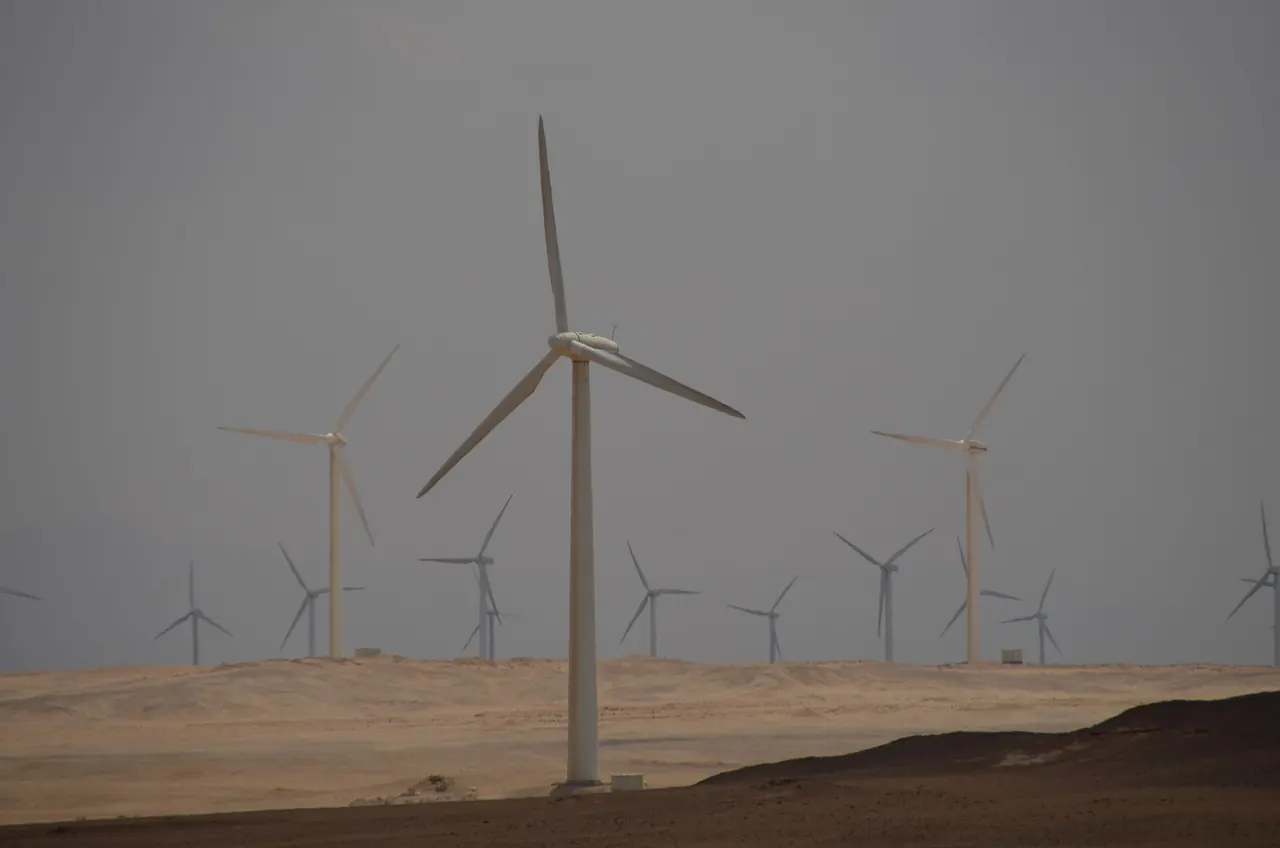
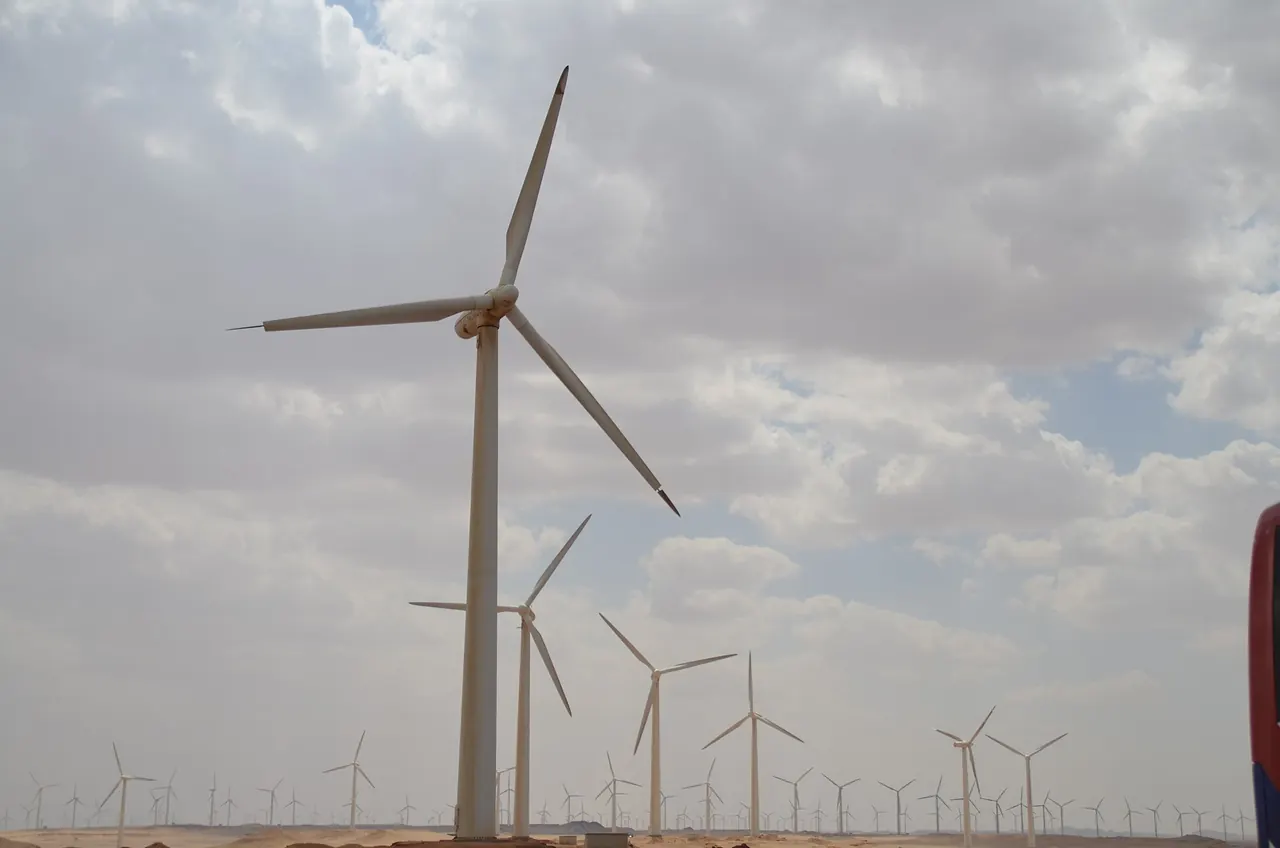
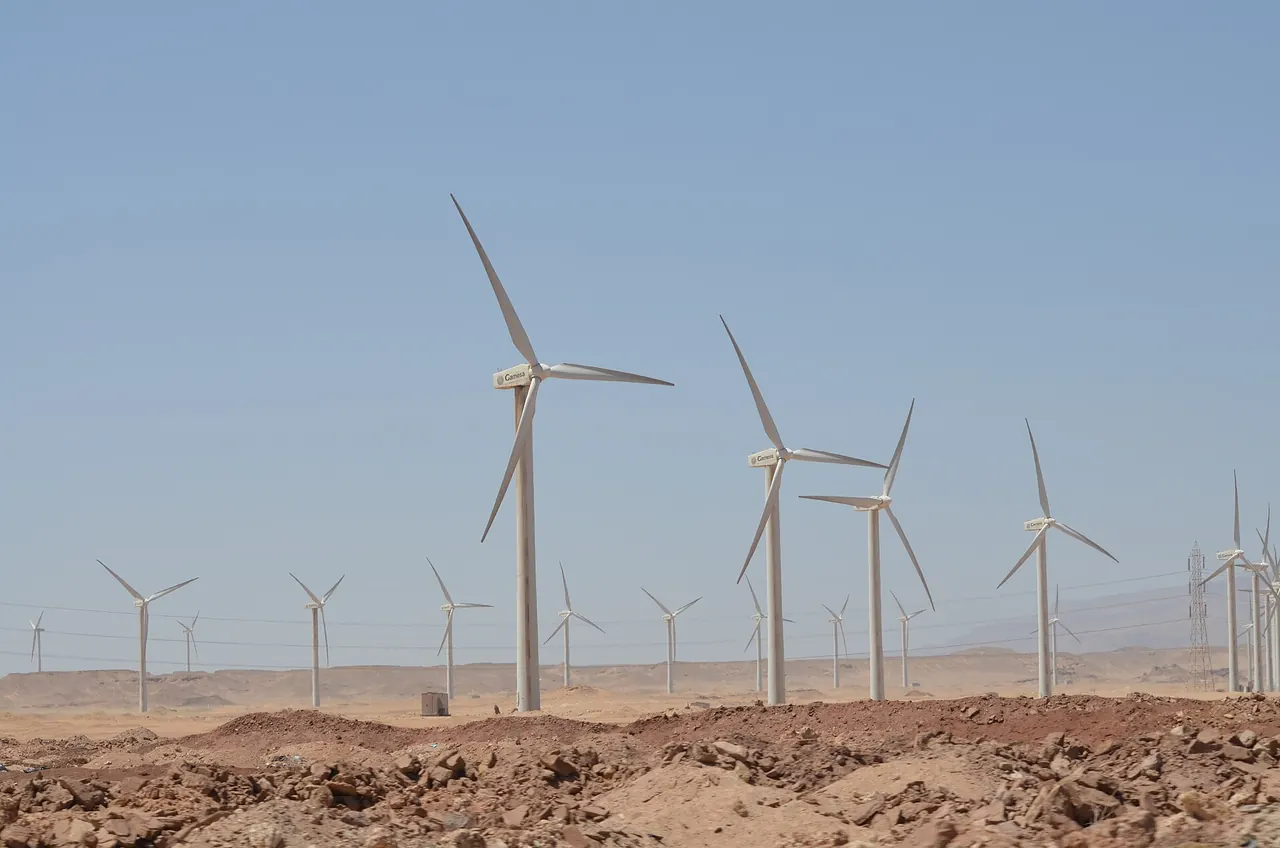
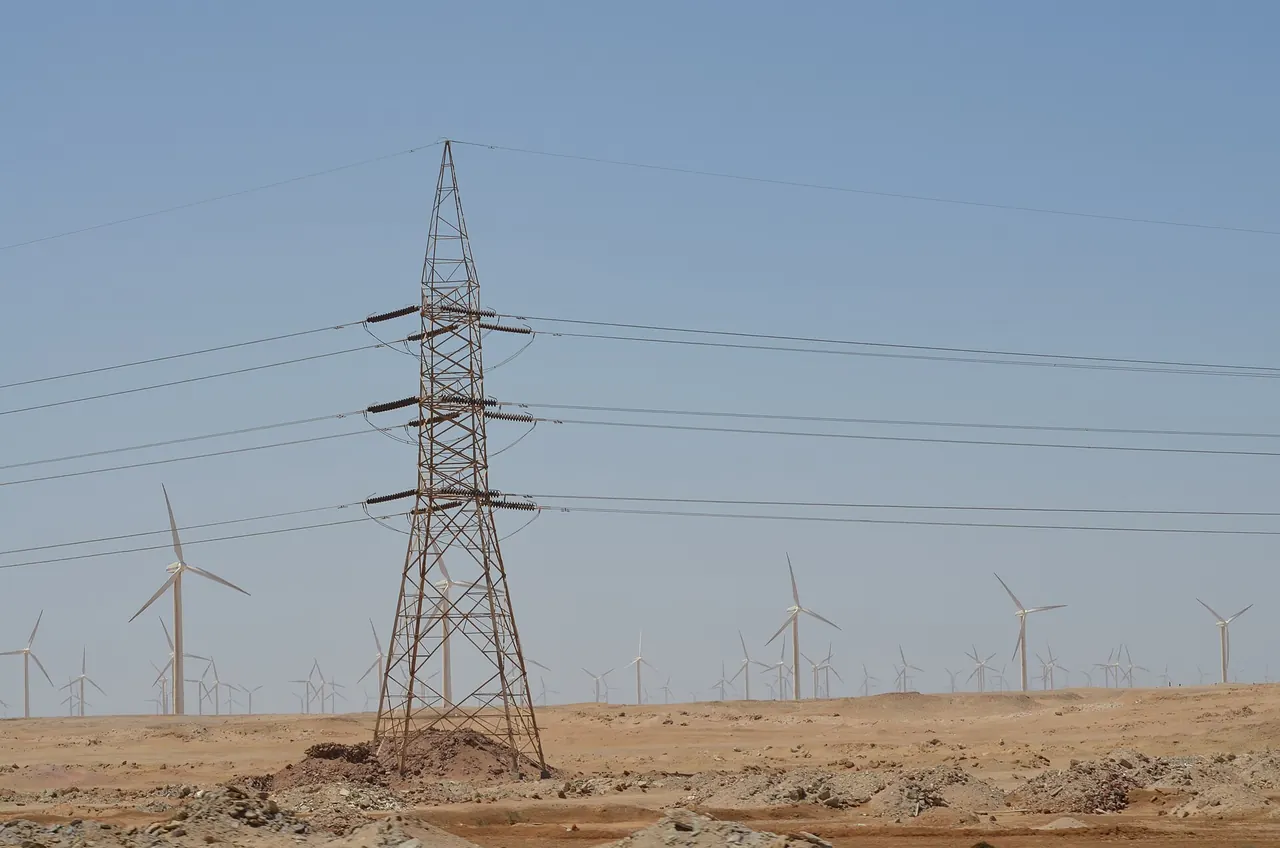
Alcazar Energy’s NIAT and Rasgha projects, two 250 MW farms on a 73 square kilometre site on the west bank of the Gulf of Suez near Ras Ghareb, are guided to start construction this quarter, and forty days of the quarter are left. The European Investment Bank’s project summary puts the cost at USD 572 million, and the EIB and EBRD are among the development finance institutions considering financing. The design calls for 100 turbines at 5 MW each, hub height 90 metres, rotor diameter 145 metres, and the project is expected to use Siemens Gamesa machines. Two 220 kV overhead lines will connect the farms to the Infinity and West Bakr S4 substations, with final routing and specifications still to be confirmed. EETC takes the output under a 25-year power purchase agreement and owns the grid works from the on-site point of common coupling onward, with up to 2.5 TWh a year expected and operations from Q4 2028.
Why it matters
This project states wind’s employment trade plainly. A construction workforce that would fill a mid-sized factory shrinks to a headcount that fits on a bus. My read is that countries wanting durable industrial jobs out of wind have to win them upstream in the factory and downstream in service, because the build phase gives them back.
What it means for MENA
The number I keep returning to is neither the megawatts nor the dollars. The civil clock is fixed at this quarter. The routing of the two 220 kV circuits that will move the power is still open, and EETC is responsible for the grid connection works from the point of common coupling onward. When a project’s concrete date is more settled than its transmission plan, I would model the transmission plan first. Every Egyptian wind farm that follows needs a confirmed line to somewhere.