

Installed capacity, pipeline and named projects will appear here, each figure linked to its source.
Coverage
On the Gulf of Suez, the deadliest part of a wind farm may be the line it does not route
A 2007 bird map still sorts Egypt's best wind land. The EBRD plan for a 550 MW plot puts most of the risk on a 47 km overhead line set by the authorities. 1 min read
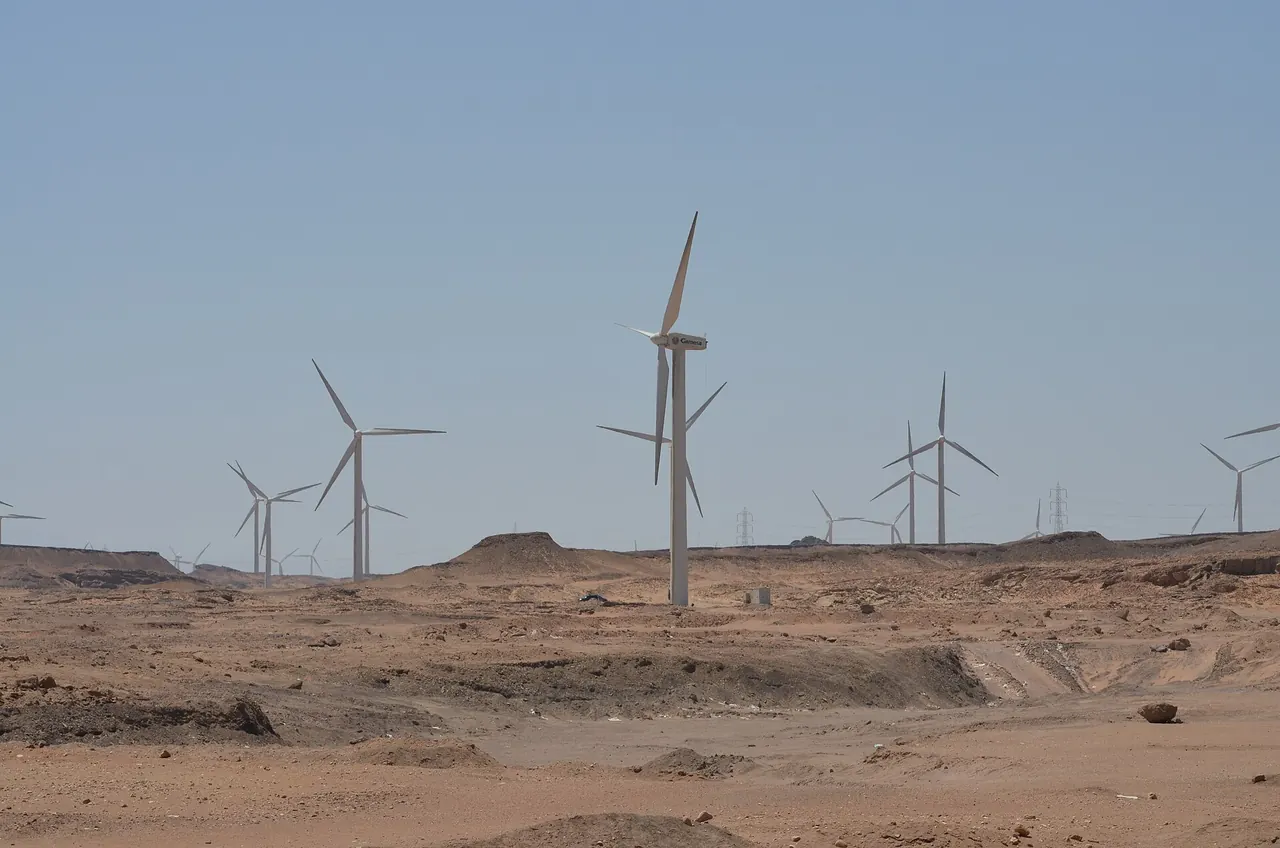
Six hundred and fifty six square kilometres of state wind concession on the Gulf of Suez. A government-backed study in 2007 marked 60 percent of it as red zone, closed to turbines because of migrating birds.
That map still sorts the new plots. Suez Wind Energy’s southern 550 megawatt plot landed in the orange zone, where further study is required, beside three plants already in the green, inside an Important Bird Area 100 kilometres long. The EBRD rated the project Category A and is financing the 1.06 billion dollar build with up to 200 million dollars. ACWA Power and HAU Energy are among the sponsors.
Then read the biodiversity action plan. Its estimate for that plot, after mitigation, is 34 soaring birds a year, mostly from collisions with the 47 kilometre overhead line rather than the blades. The EBRD page says line routes are determined by the Egyptian authorities and generally follow existing lines.
Our reading
The developer inherits the wire it will be judged on. We think the market prices this backwards. Wind speed and turbine cost get the models, while the deadliest piece of the project may be the one the developer does not route.
The plan has observers on watch twelve hours a day through 28 October. When the next Gulf of Suez round opens, who prices the wire?
Scatec starts 900 MW Shadwan on a bridge loan, ahead of its project debt
Construction began on 1 October with USD 50 million of Arab Energy Fund bridge financing. Non-recourse debt is expected to close by the end of 2026. 1 min read
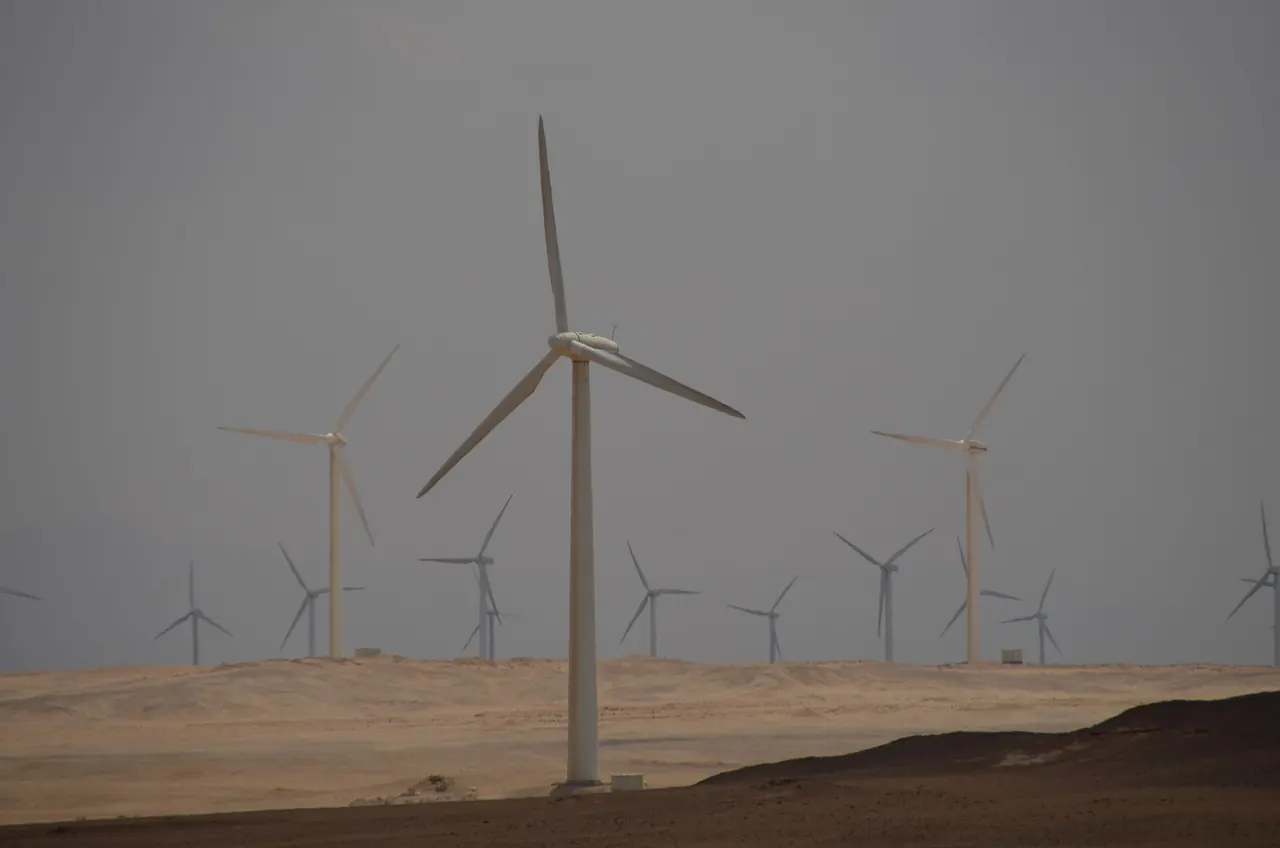
Scatec has started building 900 MW of Egyptian wind on a USD 50 million bridge loan, before its long-term project debt has closed.
Construction of the Shadwan onshore wind project began on 1 October, with EDF power solutions targeting a 29 percent equity stake. Capex is USD 716 million and output is about 4 TWh a year. The Arab Energy Fund is providing USD 150 million of three-year equity bridge loans, USD 50 million for Shadwan and USD 100 million for Scatec’s Energy Valley solar and storage project. Non-recourse debt from development finance institutions is expected to reach financial close by the end of 2026, with first-phase commercial operation targeted for the end of 2027.
Why it matters
A bridge loan lets a developer start physical work while lenders finish their own process. For a 900 MW project, we think that can pull a start date forward by months.
What it means for MENA
Scatec has signed mandate letters with a consortium of development finance institutions, and construction now starts ahead of that debt. We read that as Scatec carrying the timing risk until close, which the company guides for year-end. The test is whether the debt lands on schedule and first power follows by end-2027.
Alcazar signs terms to buy Egypt's 580 MW Gabal El Zeit wind farms from NREA
The fund would take full operational responsibility for three Red Sea wind farms with turbines averaging eight to ten years of service, selling to EETC under a 25-year PPA. 1 min read
Daniel Calderon’s firm has been putting new renewable capacity into Egypt since 2014. In June it signed terms to buy 580 megawatts that were already turning.
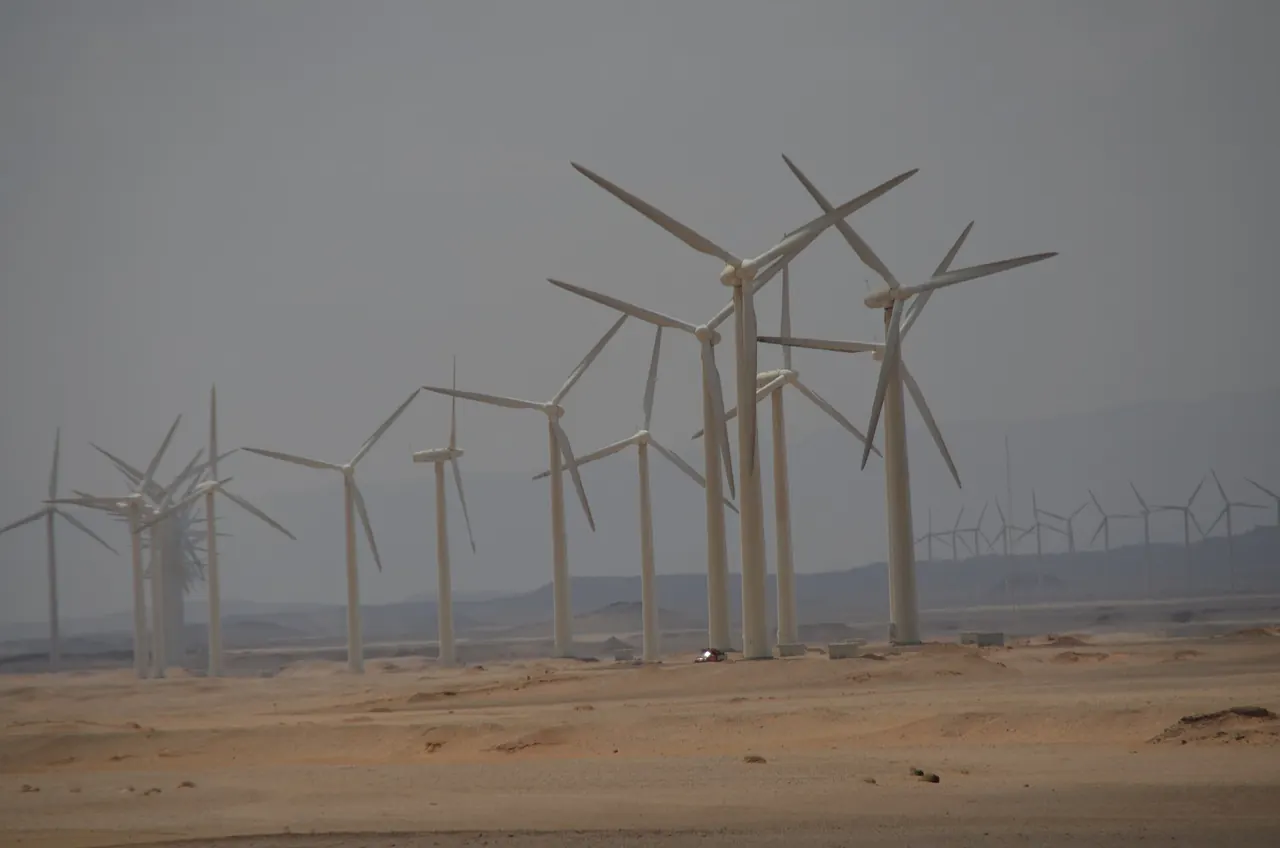
Gabal El Zeit is three operational wind farms on the Red Sea coast, Siemens Gamesa machines averaging eight to ten years of service. Under the terms Alcazar Energy Partners agreed with the New and Renewable Energy Authority, the fund assumes full operational responsibility, extends the asset’s useful life and sells the output to EETC on a 25-year power purchase agreement.
Calderon, Alcazar’s co-founder and managing partner, said in June: “Alcazar Energy is very pleased to contribute, with this project, to Egypt’s privatization efforts supported by the IMF. Together with our 500 MW NIAT Wind project, this investment will also help mobilize close to USD1.0 billion of capital for Egypt’s clean energy sector over the coming months.”
I read the contract as arithmetic first. Machines with eight to ten years behind them, contracted to sell power for twenty-five more, finish at thirty-three to thirty-five years in service. Whoever signs that is underwriting the service crew as much as the wind speed.
What holds my attention is the direction of travel. Alcazar arrived in Egypt as a greenfield investor and built there: four projects at Benban totalling 256 MWp, then a 2 GW onshore wind platform agreed with the government in November 2024. Now it is buying what the state already built. The announcement calls Gabal El Zeit the first strategic renewable power asset offered under Egypt’s privatisation framework.
If this one clears, a state-owned megawatt in this region earns twice. Once from the grid, once from the sale. Which fleet goes on the block after it?
PowerChina's Egyptian wind portfolio passes 1.8 GW across three projects
The contractor counts the operating 500 MW Amunet farm plus the 1.1 GW Gulf of Suez and Ras Ghareb projects under construction, with Elalamya on civil works. 1 min read
One contractor has now built or is building more than 1.8 gigawatts of Egyptian wind.
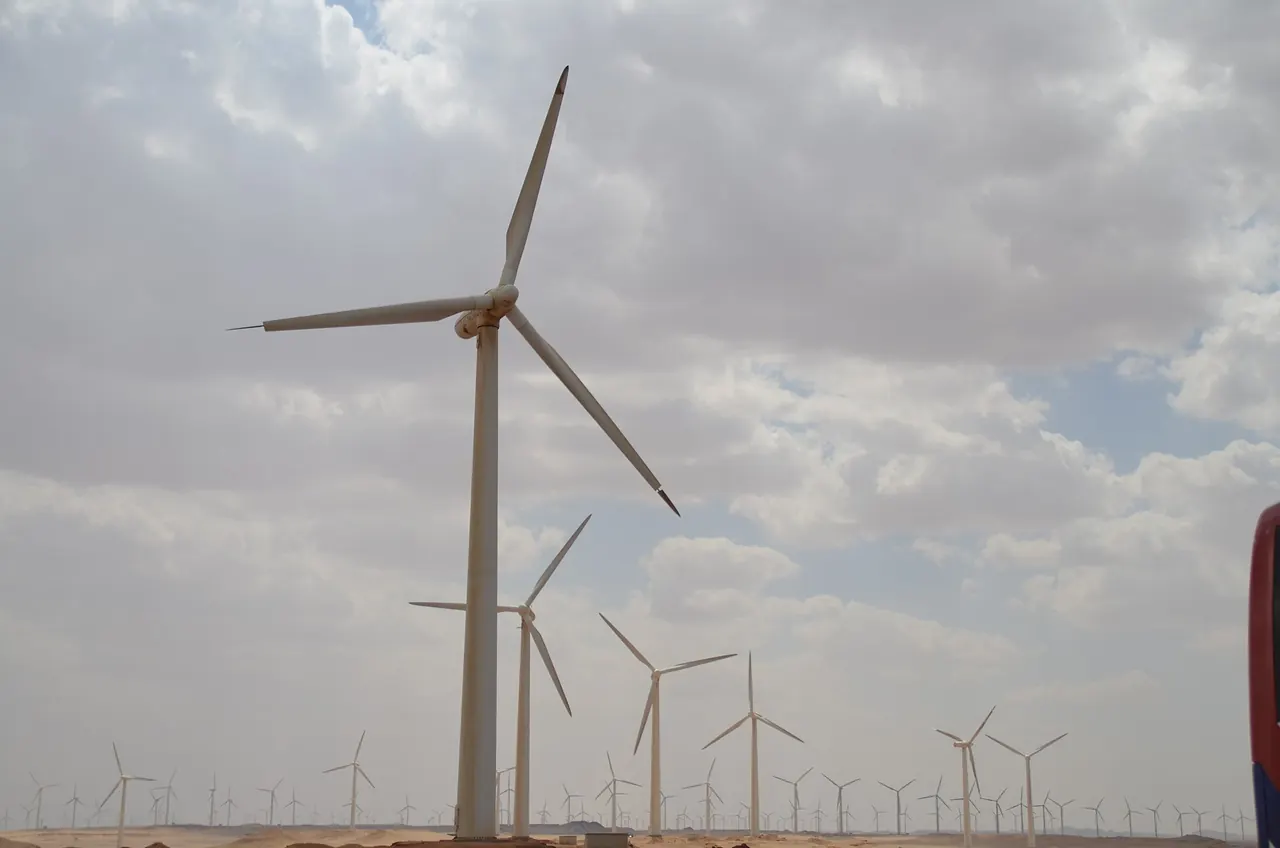
PowerChina said this month that its Egyptian wind portfolio has passed 1.8 GW across three projects: the 500 MW Amunet farm in the Gulf of Suez, now operating, plus the 1.1 GW Gulf of Suez project and the Ras Ghareb project, both still under construction. The company has worked in Egypt since 2012. It also named Elalamya General Contracting, the Egyptian civil works firm it first engaged on Amunet in 2023 and has since taken onto the other two sites. Amunet was poured in temperatures above 40 degrees Celsius, with concrete scheduled outside the hottest hours and turbine lifts timed against wind speed. Last month PowerChina began work on Sungrow’s battery manufacturing plant at Ain Sokhna, on a 50,000 square metre plot.
Why it matters
Turbines are bought in a global auction. Foundations are poured by whoever is already on that coast with the crews and the batching plant. My read is that the second market is far smaller than the first, and when one contractor builds two projects at once, a single schedule slip can land on two balance sheets.
What it means for MENA
We expect Saudi Arabia and Oman to convert larger wind pipelines into construction next. I think their sponsor lists will look nothing alike and their contractor lists may look almost identical. Egypt is where that shows up first, because Egypt has two of these sites under construction with the same contractor and the same civil works subcontractor.
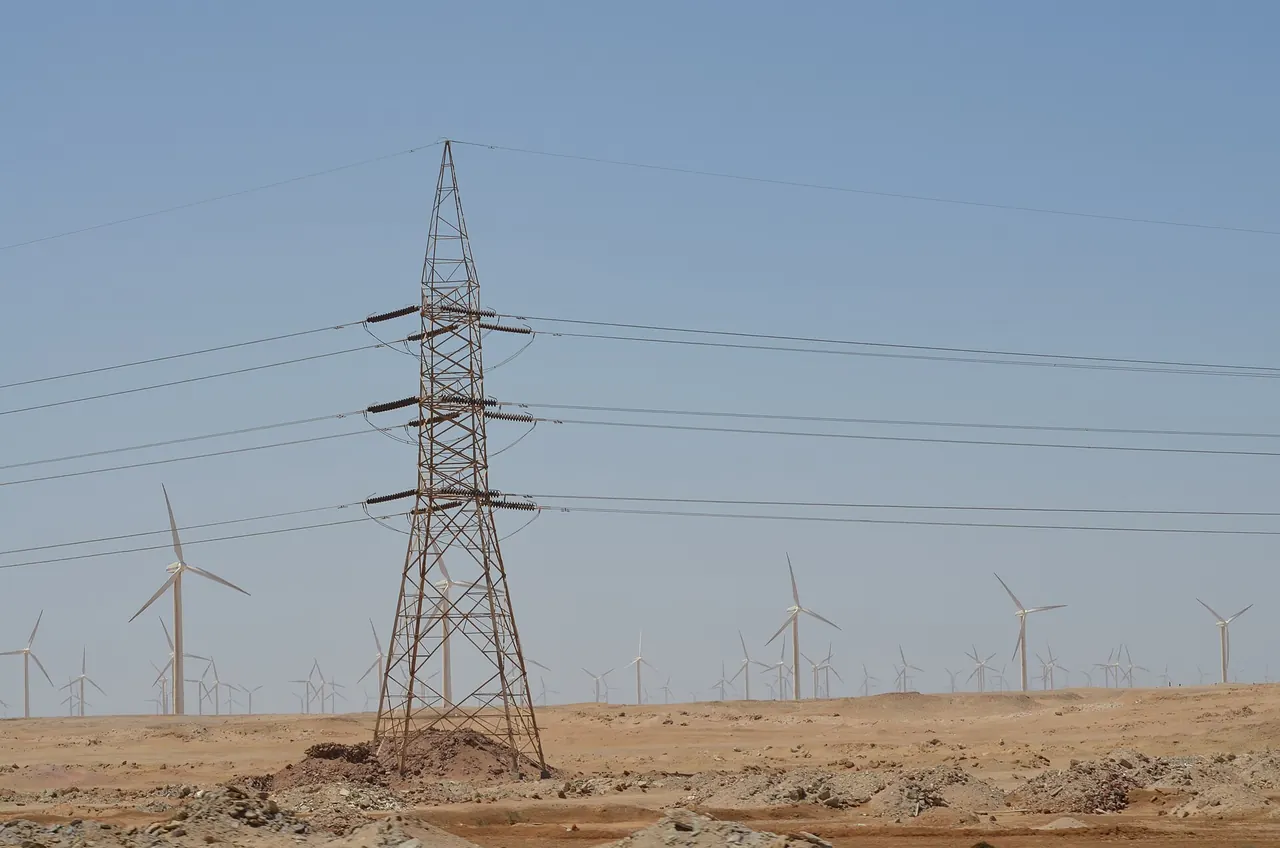
Alcazar's 500 MW Egyptian wind pair heads for construction before its grid line routing is fixed
Two 250 MW farms near Ras Ghareb are guided to start construction this quarter, at a cost of USD 572 million per the EIB's project summary. Routing of the two 220 kV lines is still to be confirmed. 1 min read
More than a thousand people will build Egypt’s next 500 MW of wind. About fifty will stay to run it.
Alcazar Energy’s NIAT and Rasgha projects, two 250 MW farms on a 73 square kilometre site on the west bank of the Gulf of Suez near Ras Ghareb, are guided to start construction this quarter, and forty days of the quarter are left. The European Investment Bank’s project summary puts the cost at USD 572 million, and the EIB and EBRD are among the development finance institutions considering financing. The design calls for 100 turbines at 5 MW each, hub height 90 metres, rotor diameter 145 metres, and the project is expected to use Siemens Gamesa machines. Two 220 kV overhead lines will connect the farms to the Infinity and West Bakr S4 substations, with final routing and specifications still to be confirmed. EETC takes the output under a 25-year power purchase agreement and owns the grid works from the on-site point of common coupling onward, with up to 2.5 TWh a year expected and operations from Q4 2028.
Why it matters
This project states wind’s employment trade plainly. A construction workforce that would fill a mid-sized factory shrinks to a headcount that fits on a bus. My read is that countries wanting durable industrial jobs out of wind have to win them upstream in the factory and downstream in service, because the build phase gives them back.
What it means for MENA
The number I keep returning to is neither the megawatts nor the dollars. The civil clock is fixed at this quarter. The routing of the two 220 kV circuits that will move the power is still open, and EETC is responsible for the grid connection works from the point of common coupling onward. When a project’s concrete date is more settled than its transmission plan, I would model the transmission plan first. Every Egyptian wind farm that follows needs a confirmed line to somewhere.
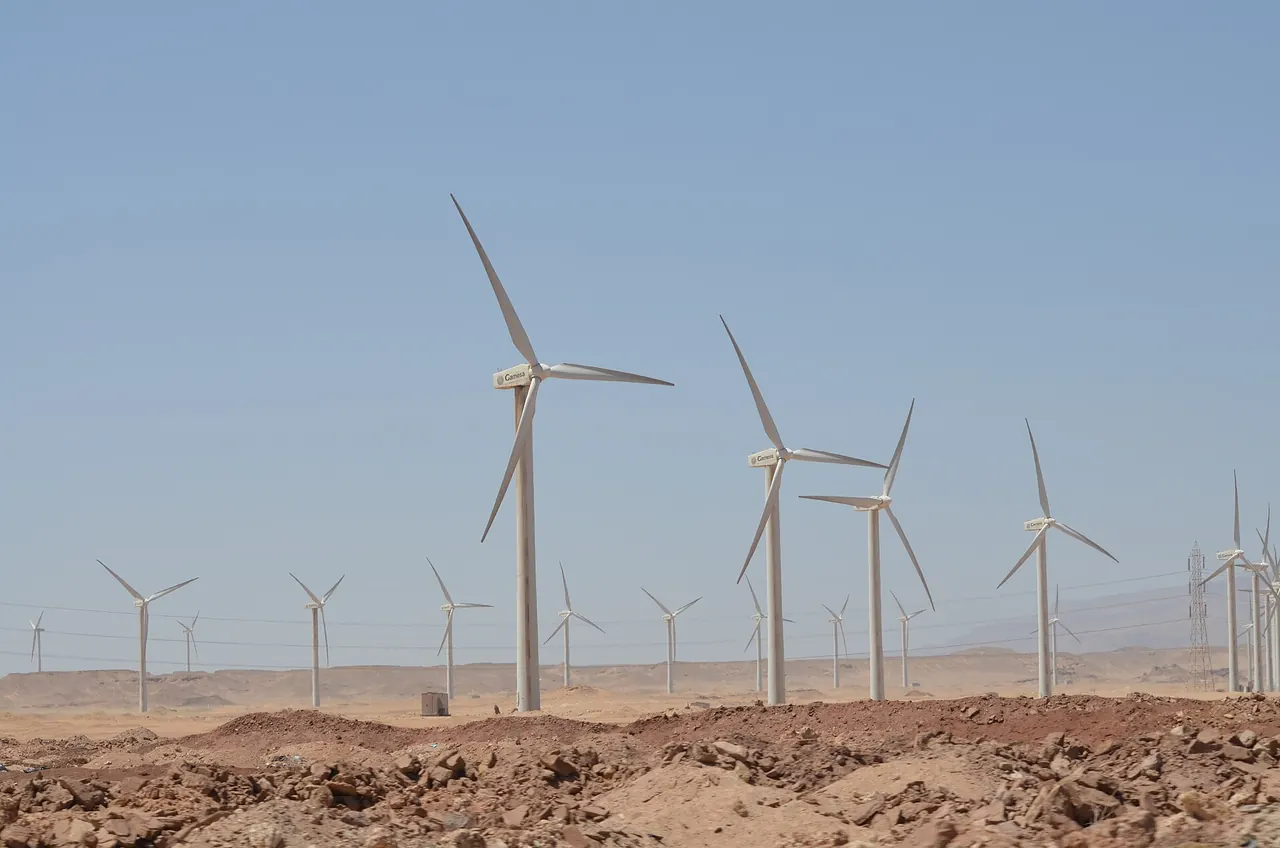
EBRD weighs up to $192 million of senior debt for Scatec's 900 MW Shadwan wind plant
Shadwan Wind at Ras Shukeir holds a 25-year EETC PPA and is expected to benefit from an EU first-loss guarantee under the EFSD+ Hi-Bar programme. 1 min read
A 900 MW Egyptian wind plant is lining up European public money to take the first loss.
The EBRD disclosed on 14 August that it is considering senior debt of up to 192 million dollars for Shadwan Wind, a 900 MW plant at Ras Shukeir in the Red Sea Governorate. Scatec sponsors it through a dedicated project company, Shadwan Wind Power, which signed a 25-year power purchase agreement with the Egyptian Electricity Transmission Company in June 2025. Per the disclosure, the plant is expected to benefit from a first-loss risk guarantee under the EU’s EFSD+ Hi-Bar programme, meaning a public guarantor absorbs the earliest losses before senior lenders are touched.
Why it matters
The credit enhancement is the part worth reading. We read an EU first-loss guarantee on a gigawatt-scale onshore wind plant as a marker of which slice of the risk European public capital will stand behind, and which slice it still wants a commercial lender to carry.
What it means for MENA
When Shadwan’s debt is arranged, the final split between the EBRD ticket and the guarantee is the number I would want in hand before pricing an Egyptian wind bid in 2027.
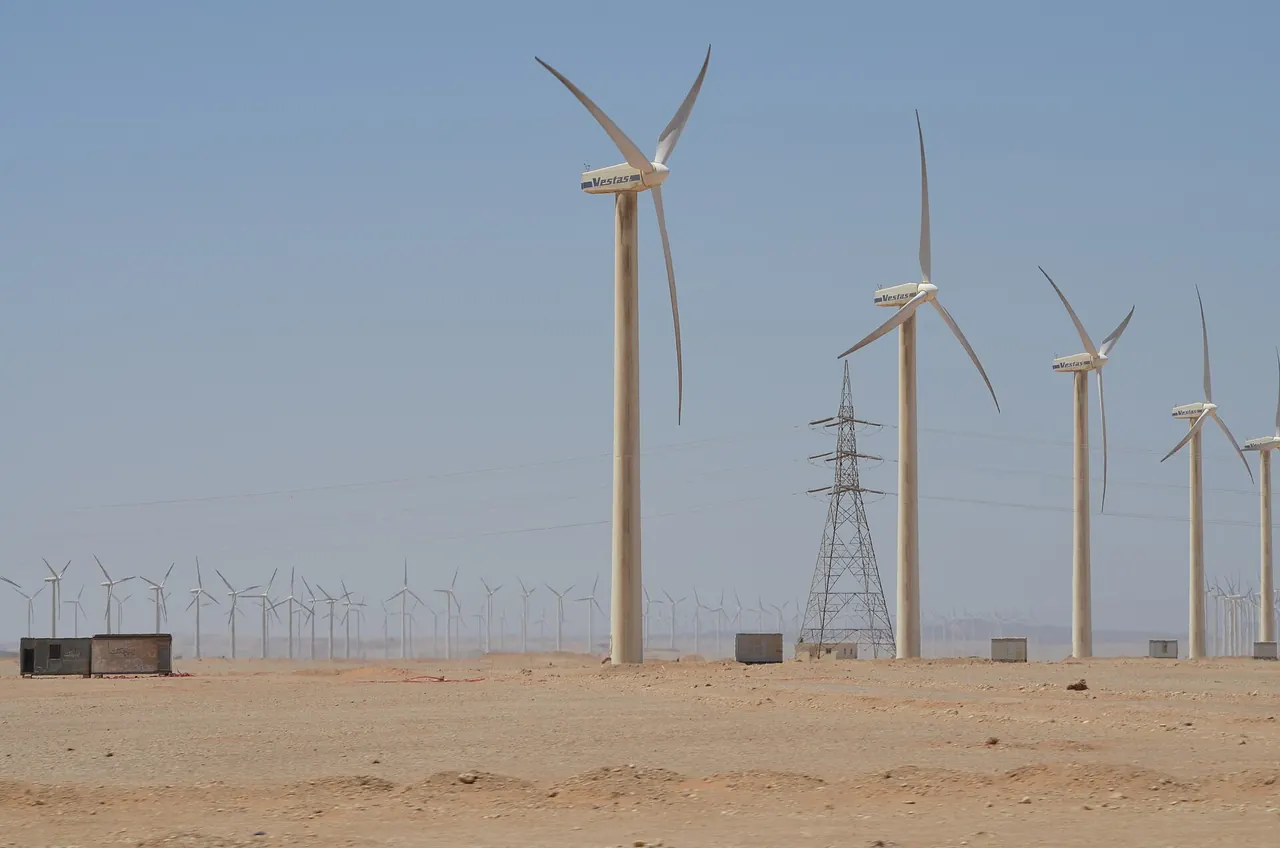
EETC chair Mona Rezk signs Egypt's wind PPAs and the contracts for the wires
EETC's FY2025/26 plan approves EGP 44.9 billion of investment, a 3.4% transmission loss target and three more control centres for renewable integration. 1 min read
Three signatures in eighteen months tell you more about Egyptian wind than any capacity announcement.
Mona Rezk chairs the Egyptian Electricity Transmission Company. In early August she signed the 407 MW Zafarana power purchase agreement with Alcazar Energy. In July she signed a contract worth more than USD 40 million with India’s Bajel Projects for two sections of a 500 kV overhead line. Before both, in February 2025, she signed the capacity purchase agreement for AMEA Power’s two standalone battery projects totalling 1,500 MWh.
EETC is the offtaker on the Egyptian wind PPAs we track. One counterparty, one balance sheet, and one chairperson who also signs the contracts for the wires that move the power.
Which makes her budget report the document worth reading. EETC’s general assembly approved EGP 44.9 billion for FY2025/26, with 53 percent going to finish projects already started and 47 percent to new build, replacements and regional control. Fixed assets are forecast at EGP 202.7 billion. The transmission loss target for the year is 3.4 percent. Seven regional control centres operate today, and three more are being built or upgraded specifically to manage renewable integration. When Rezk reported FY2024/25, renewables reached roughly 14 percent of installed capacity.
Three control centres is a far smaller number than the wind book they are meant to dispatch, and I think it is the one that decides whether 2028 arrives on schedule.
Who signs both sides of the trade in your market, and have you read their capex plan?
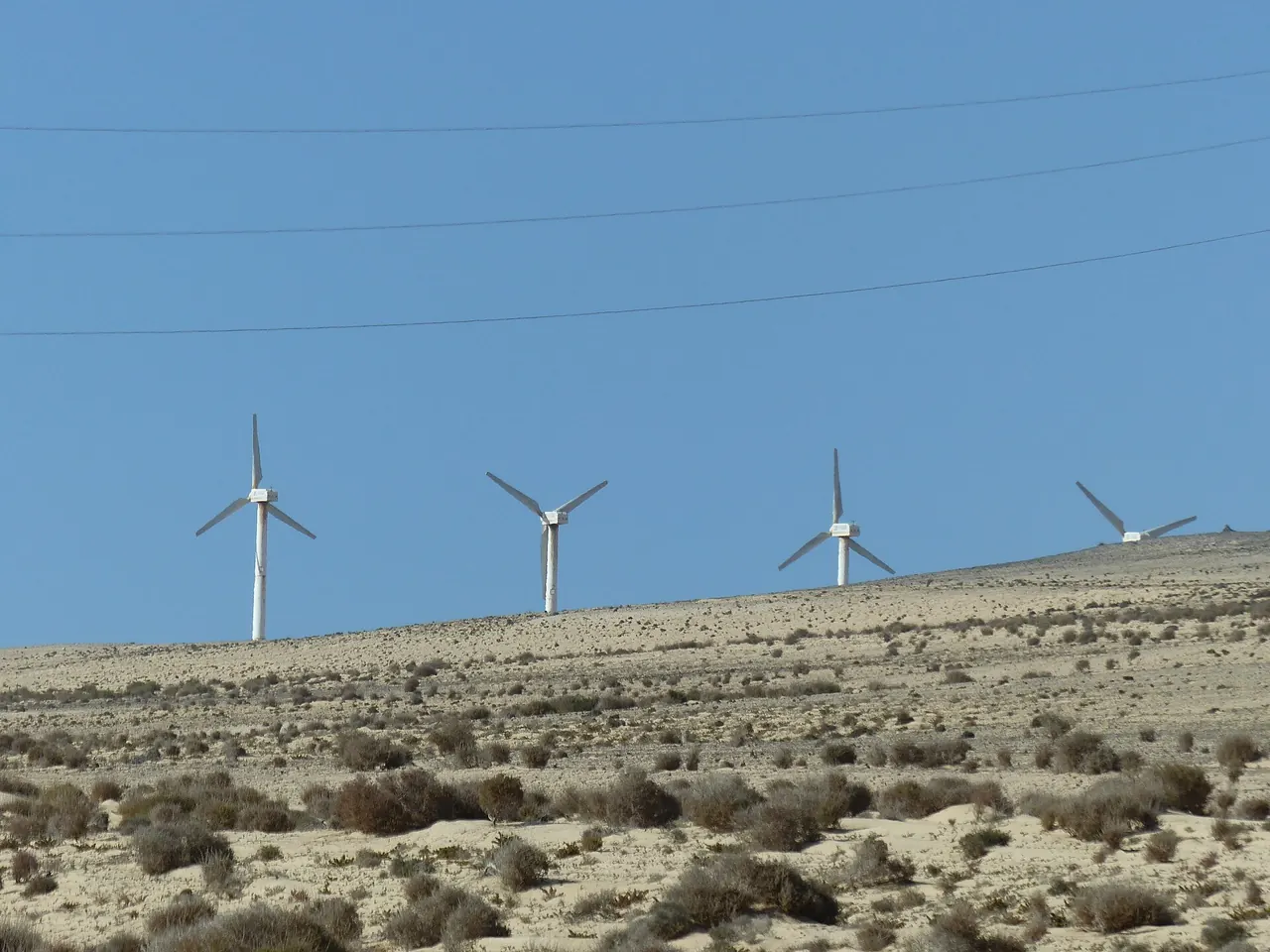
EETC signs PPA with Alcazar Energy for a 407 MW wind plant at Zafarana
The plant targets 2028 operation and around 775,000 households. EETC chairwoman Mona Rezk tied it to upgrading Egypt's unified national grid. 1 min read
Egypt’s newest wind offtake landed in Zafarana.
The Egyptian Electricity Transmission Company has signed a power purchase agreement with Alcazar Energy for a 407 MW wind plant in the Zafarana region, Egypt Oil & Gas reported on 3 August. Mona Rezk, EETC’s chairwoman, signed for the state grid operator; Mohamed Zidan, Alcazar’s senior director in Egypt, signed for the sponsor. The plant targets 2028 operation and is projected to supply around 775,000 households. The report discloses no tariff, turbine supplier or financing structure.
Why it matters
Our read is that the binding constraint on new wind has moved from wind resource to grid access and offtaker credit. Rezk tied the agreement directly to upgrading Egypt’s unified national grid so it can carry expanding renewable capacity to load centres.
What it means for MENA
Egypt has pulled its target of 45% of generation capacity from renewables forward to 2030 from 2035 under the updated Integrated Sustainable Energy Strategy. In my view a jump that steep needs new territory and more output from ground the state already holds. Zafarana now carries a new project from a sponsor with a UAE-based advisory team that earlier this year signed a USD 420 million deal to operate, maintain and upgrade the 580 MW Gabal El-Zeit farm on the Red Sea. One fund is set to run part of Egypt’s older wind fleet and build part of its newer one at the same time. Watch whether that dual position starts shaping how Cairo prices its next round.
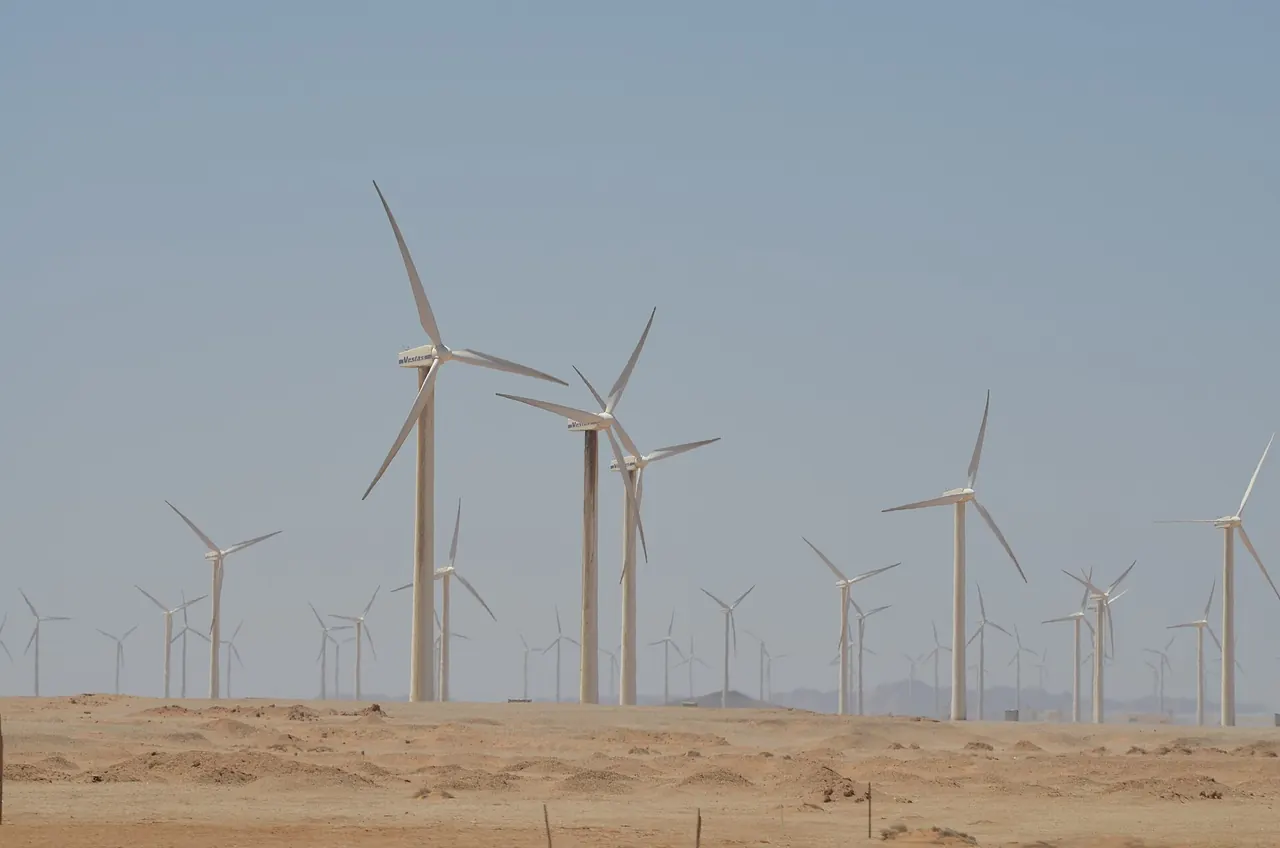
Egypt rated 380 sq km of Beni Suef land at 2 GW for wind or 20 GW for solar
At that ten-to-one ratio, Egypt's 3,028 MW wind fleet would cover about 575 sq km. Its next big wind farm, ENGIE's 900 MW Ras Shokeir, is again on the Gulf of Suez. 1 min read
Egypt offered 380 square kilometres of Beni Suef to private renewable investors and rated the same ground twice: 2 gigawatts if you build wind, or 20 if you build solar.
That ratio comes from the government’s own land allocation, reported by Renewables Now on 1 July. Ten to one, on identical dirt, before anyone opens an argument about resource quality or capacity factor. Apply it to Egypt’s entire operating wind fleet, 3,028 MW at the end of 2025 per IRENA, and the arithmetic returns roughly 575 square kilometres. Fill that same ground with panels instead and it carries about 30 GW.
My read is that this is why inland Egyptian land offers keep resolving to solar, and why Egyptian wind has clustered on the coast. ENGIE’s consortium already operates Red Sea Wind Energy (654 MW) and Ras Ghareb (262.5 MW). Its next project, the 900 MW farm with Orascom Construction and Aeolus, is near Ras Shokeir in the Gulf of Suez, with the first 300 MW due in December 2027.
Ten to one is a penalty wind clears only where the resource is exceptional. In Egypt I think that still means the Gulf of Suez, and the queue forming there is a number I have not seen published.
So here is what I keep coming back to. Does Egypt’s first serious inland wind farm get built because a developer finds a better site, or because the corridor runs out of room?
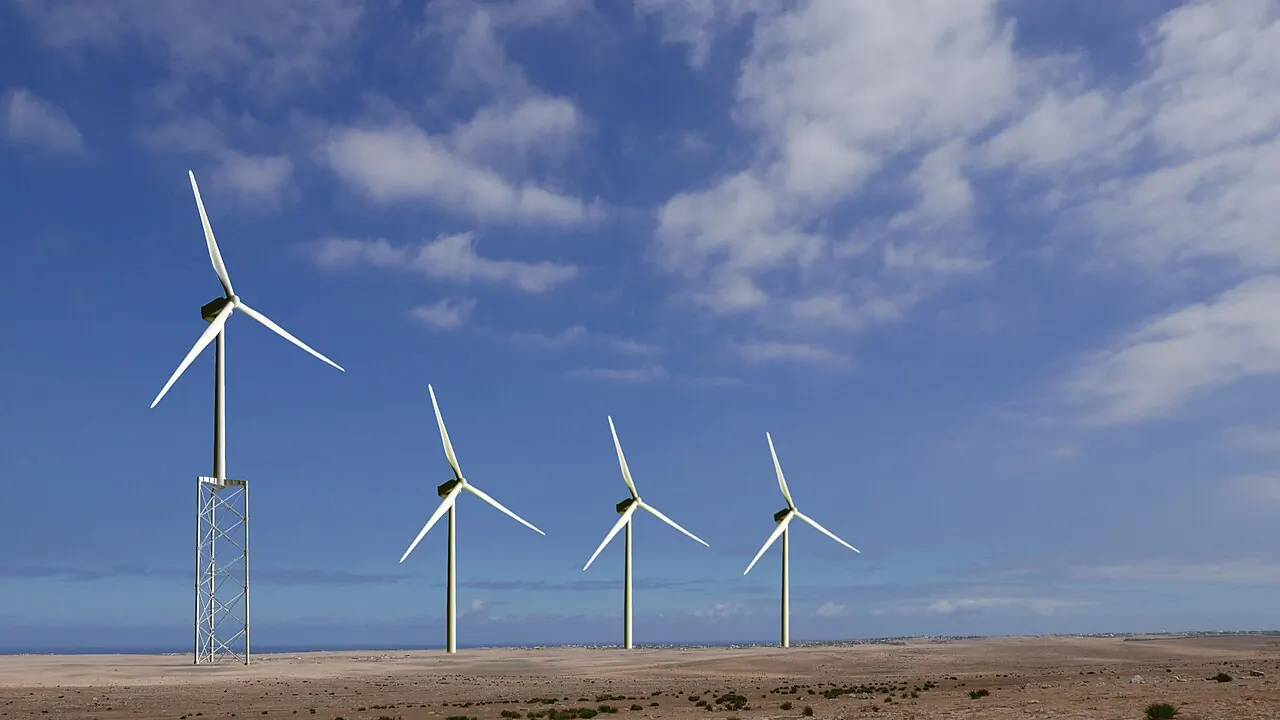
35 of 104 towers on Hans Bruins' second Egyptian wind farm were made in Egypt
The Ras Ghareb Wind Energy and Red Sea Wind Energy CEO told EnterpriseAM that customs clearance fell from weeks to four or five days between his first and second projects. 1 min read
Thirty-five out of 104.
That is how many towers on Hans Bruins’ second Egyptian wind farm were made in Egypt, produced by NSF to Goldwind’s specification. On the first project, built with Siemens Gamesa, only parts of the towers came from local steel.
Two farms, and the country went from pieces of a tower to a third of them.
Bruins runs Ras Ghareb Wind Energy and Red Sea Wind Energy. Eight years in Egypt, three utility-scale wind farms. He gave EnterpriseAM the sequence in February this year: “You first start with assembling components, and once you’re good at that, then you can start to manufacture them locally.” Towers go first because a tower is mostly empty. In his words, “you’re basically transporting a lot of air.”
I would hold that 35 next to every turbine-factory memorandum signed in this region. Announcements arrive in gigawatts. Localisation arrives in towers.
The number that stayed with me is a different one. On project one, customs clearance “sometimes ran into weeks, even months.” On project two it dropped to four or five days. Bruins credits the Finance Ministry’s digitalisation. For components Bruins describes as costing “an awful amount of money per day” when customs holds them, four days against four weeks moves a construction schedule further than a memorandum does.
EnterpriseAM asked in its headline whether Egypt is building a wind industry or hosting one. Two projects answer building, slowly, from the heaviest component up. The 2 GW-a-year turbine factory Egypt signed an MoU for in June answers something faster.
Which answer does the third project confirm?
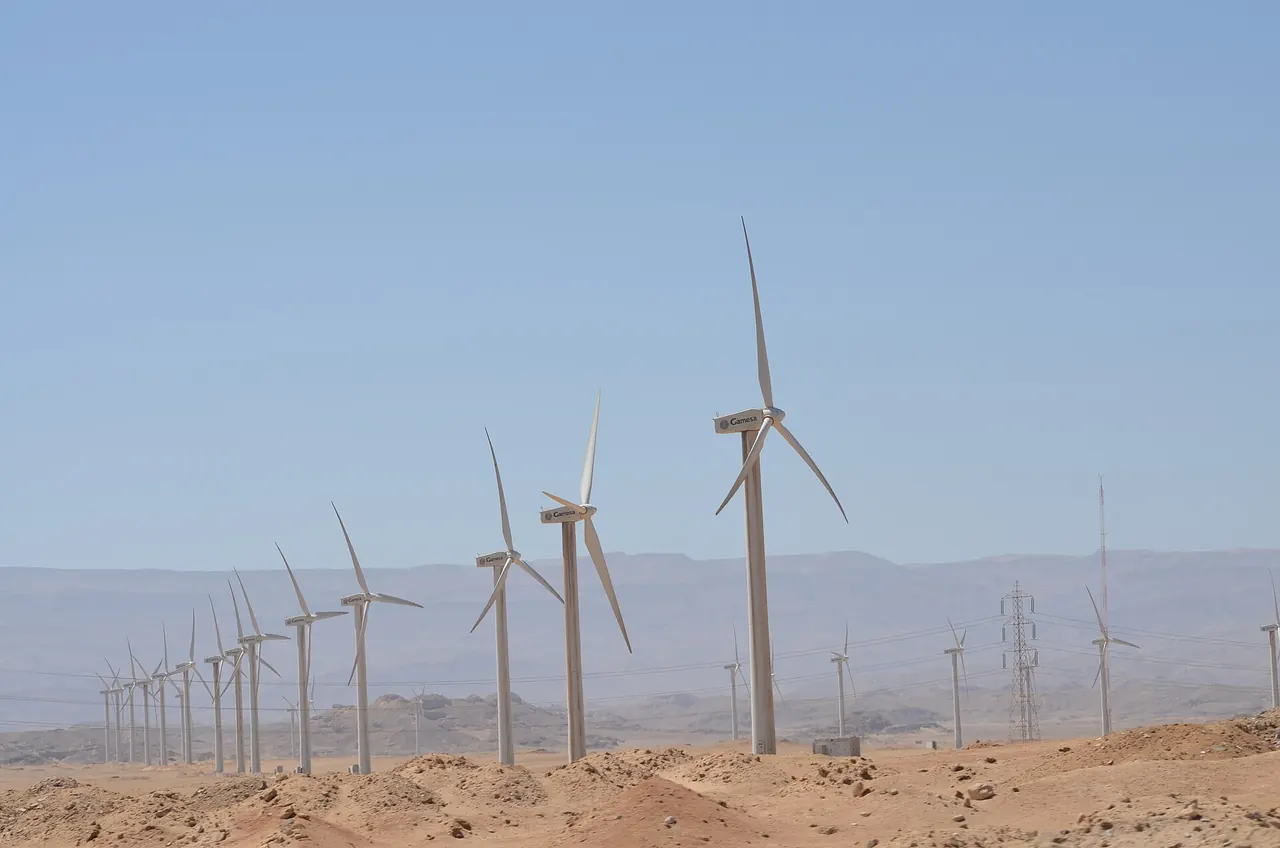
Egypt plans to add 21 GW of renewables by 2029, with wind rising fivefold to 15 GW
A roadmap presented to Prime Minister Mostafa Madbouly takes renewables from 9.5 GW to 30.7 GW by end-2029, against 11.21 GW planned by end-2026. 1 min read
Egypt has just written a plan to add 21 gigawatts of renewables in four years. Nine tenths of it arrives in the last three.
Minister of Electricity and Renewable Energy Mahmoud Esmat presented the roadmap to Prime Minister Mostafa Madbouly this month. Installed renewable capacity triples from 9.5 GW today to 30.7 GW by the end of 2029, with renewables reaching 42% of power generation by 2030. Wind carries the largest single block in that plan: it rises fivefold to 15 GW, ahead of solar at 12.7 GW, with hydro flat at 2.98 GW. The near-term step is far smaller, 11.21 GW by the end of 2026 against 8.54 GW at the end of last year. Renewables produced a record 35.19 TWh in 2025, 14% of generation. Gas still supplies 79%.
Why it matters
MEES frames the roadmap as a way to cut gas out of the generation mix and ease Egypt’s reliance on LNG imports. A gas producer that now imports LNG has answered with more wind capacity than solar capacity. I read that ordering as a fuel-substitution bet rather than a diversification one, and it is an argument that travels to every import-exposed grid.
What it means for MENA
We find the ambition credible. The calendar is where the risk sits. Roughly 19.5 GW has to be contracted, financed and connected between 2027 and 2029, after Egypt reaches only 11.21 GW next year. Whether EETC can award and evacuate at that cadence is what the 15 GW number actually tests.
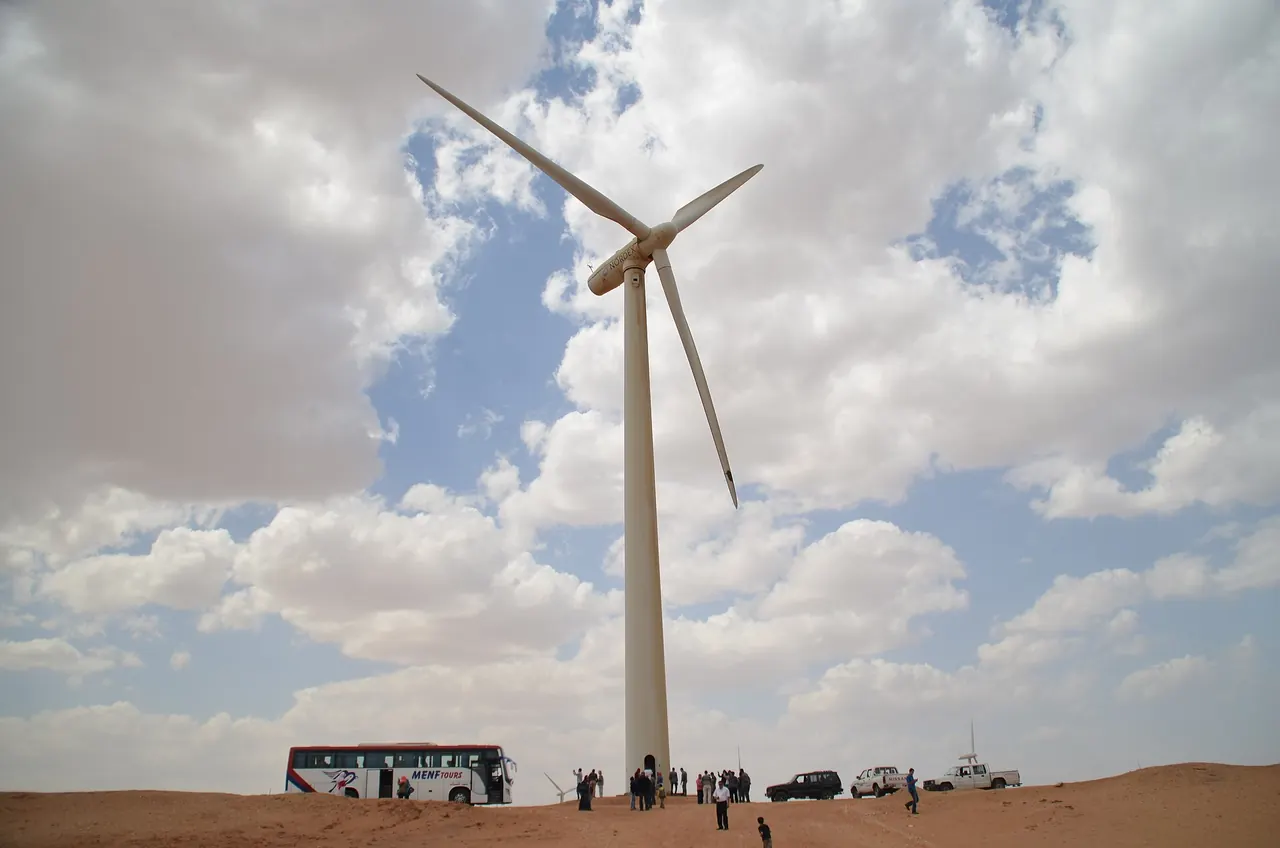
Egypt bills wind farm land at a minimum of 2% of the energy it generates
Cabinet Resolution 54 of 2023 sets NREA's usufruct charge for up to 25 years from commercial operation. Sites can be auctioned on the percentage itself. 1 min read
Egypt bills the land under a wind farm in electricity.
Cabinet Resolution 54 of 2023 sets the usufruct charge on NREA land at a minimum of two percent of the value of the energy the plant generates, paid annually in the same currency as the power purchase agreement, across a usufruct that runs up to twenty-five years from commercial operation. Run the arithmetic and the land bill for a 25-year wind project comes to roughly six months of its own output.
That percentage is not unusual by itself. American wind royalties typically clear between one and four percent of gross revenue, according to NYSERDA. What differs is the recipient. Under Egypt’s regime the cheque goes to NREA and the governorates.
Two clauses in that resolution deserve more attention than they get.
The first: NREA can auction a site and select the winner on the usufruct percentage itself. Land is a bid variable in Egypt. A developer can compete margin away on rent as readily as on tariff.
The second: investors must deliver met mast measurements to NREA quarterly, and if they do not complete the project, the data and studies become NREA property. Egypt banks the wind resource dataset whether or not the turbines ever turn.
The two percent is a floor, and it was negotiated. Before 2019, governorates were quoting five to seven percent. NREA talked them down.
I keep asking one question. As Egypt hands land to ACWA Power and Masdar for 10 GW wind projects each, and to the Scatec-Orascom consortium for 8 GW, does a two percent floor survive contact with the best sites?
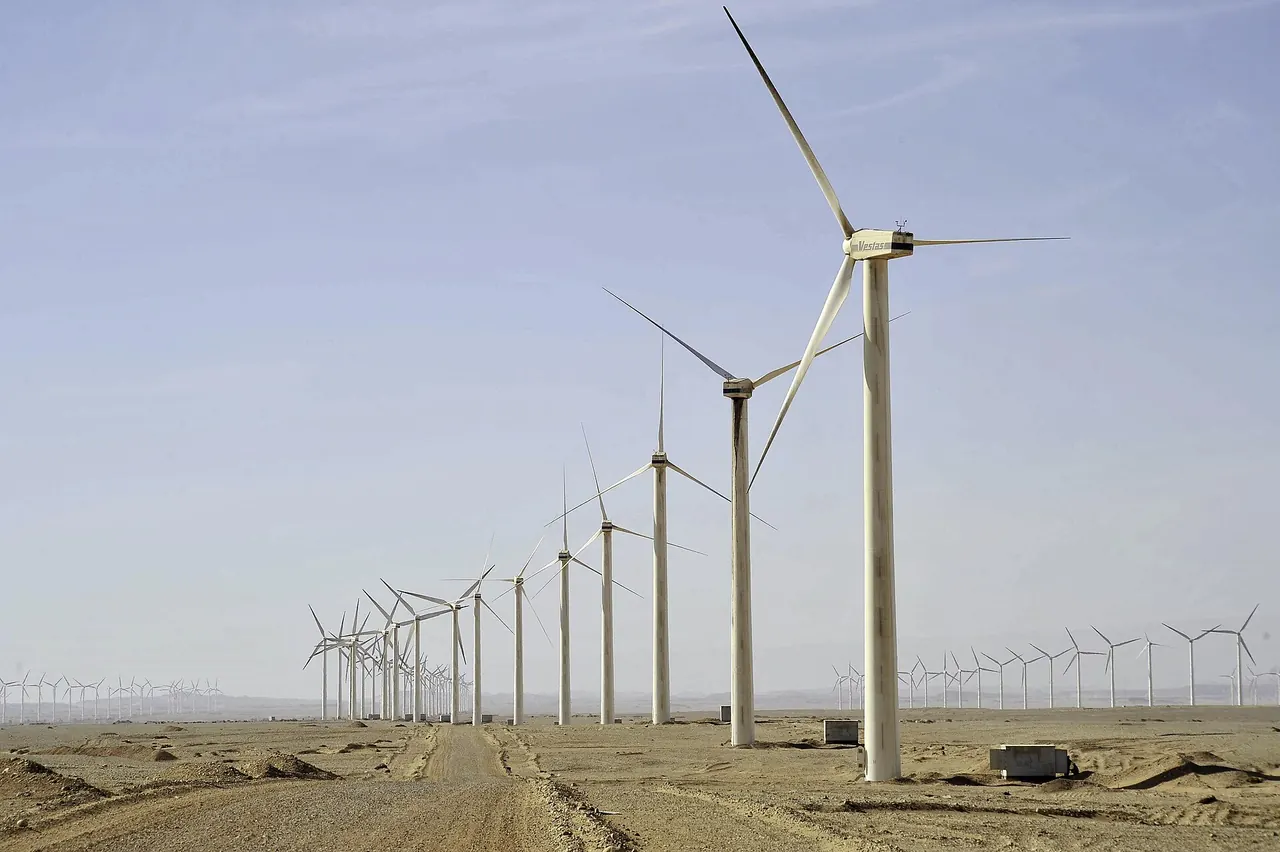
MIGA backs ACWA Power's 1.1 GW Suez wind farm in Egypt with a $193.3 million guarantee
The cover layers onto a $703.6 million senior debt facility closed in January 2025. Full commercial operation is targeted for Q2 2027. 1 min read
MIGA just put $193.3 million of political-risk cover behind Egypt’s 1.1 GW Suez wind farm.
The World Bank Group’s Multilateral Investment Guarantee Agency has agreed to provide USD 193.3 million in guarantees to ACWA Power to cover its investment in the project. The wind farm sits at Ras Gharib on the Gulf of Suez, split across two 550 MW plots, with 138 Envision Energy 8 MW turbines on order. ACWA Power holds 70 percent alongside HAU Energy, selling output to EETC under a 25-year build-own-operate power purchase agreement. Full commercial operations are targeted for Q2 2027. MIGA cover layers onto a $703.6 million senior debt facility closed in January 2025 with EBRD, the African Development Bank, British International Investment, and DEG.
Why it matters
We read political-risk cover at this scale as what pulls pension and insurance capital into emerging-market renewables. The 1.1 GW project now carries a MIGA guarantee on top of a senior debt facility from four development lenders.
What it means for MENA
My read: Egypt’s wind procurement pace is being underwritten by guarantees and development-finance debt as much as by turbine technology. The Suez stack is the clearest example so far.
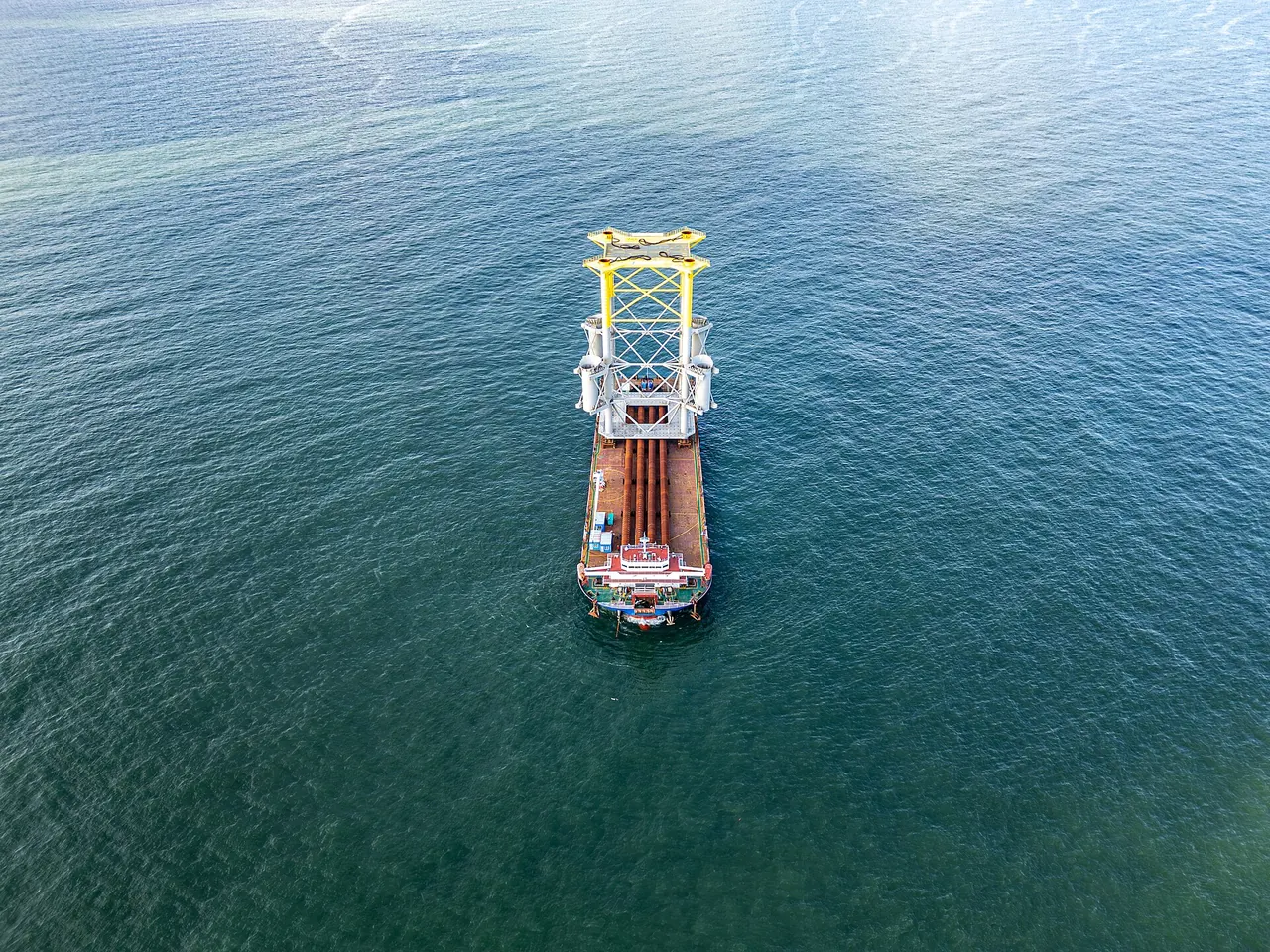
Egypt signs MoU with Sany for a 2 GW turbine factory and a 2,000 MW Gulf of Suez wind farm
EETC, NREA and SANY Renewable Energy signed with Prime Minister Mostafa Madbouly present. The wind farm is to be financed in Egyptian pounds. 1 min read
Egypt just signed an MoU with Sany for a turbine factory, and added a 2 GW wind farm on top.
Prime Minister Mostafa Madbouly witnessed yesterday’s signing between EETC, NREA, and SANY Renewable Energy at the Cabinet headquarters in the New Administrative Capital. SANY will build Egypt’s first wind turbine manufacturing plant with 2 GW annual production capacity, due within two years of final agreements. The same agreement covers a 2,000 MW wind farm in the North Gulf of Suez, financed in Egyptian pounds, targeting national grid connection within 23 months of execution. Minister of Electricity Mahmoud Esmat framed the deal as a step toward implementing renewable energy projects in local currency. Counterparties signed: Li Qiang for SANY, Mona Rizk for EETC, Ehab Ismail for NREA.
Why it matters
In our reading, it is unusual for a turbine factory and a wind farm to share one MoU on day one. If the MoU becomes final agreements, Egypt gets a 2 GW wind farm attached to a Chinese OEM’s local factory, structured around domestic-currency financing instead of dollar project finance.
What it means for MENA
We read the Egyptian-pound financing as the line to watch. If it survives into final agreements, MENA gets a template for wind projects that do not depend on dollar project finance.
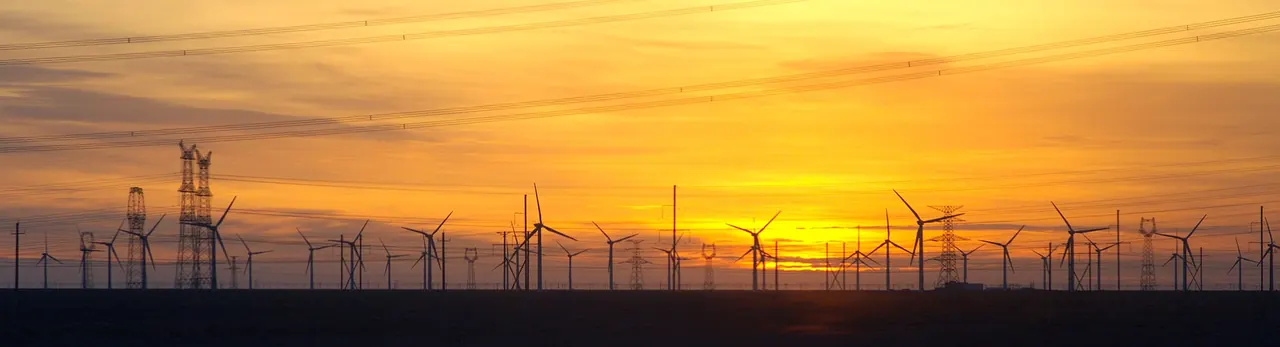
Korra Energi consortium wins $58 million of Egypt's Gulf of Suez wind transmission lines
Korra Energi and HIDELECO won Lots 1 and 3 of a transmission project linking Gulf of Suez wind farms to Egypt's national grid. 1 min read
Egypt just awarded two lots of the transmission project that will let Gulf of Suez wind reach the national grid.
Korra Energi, in consortium with High Dam Electrical and Industrial Projects (HIDELECO), won Lots 1 and 3 of the EETC scheme on June 12, with a combined value above EGP 3 billion ($58 million). Lot 1 covers about 45 km and Lot 3 about 52 km, both 500 kV ultra-high-voltage overhead lines running to the Hawamdia substation in Giza Governorate. The full scheme spans roughly 350 km in eight lots, with total investment between EGP 12 billion and EGP 14 billion ($231 million to $269 million). When complete, it will allow the grid to absorb more than 2 GW of new Gulf of Suez wind.
Why it matters
Wind projects without evacuation capacity are stranded assets. The award lands six weeks after EETC opened the global tender on April 30. We read that as Egypt executing the transmission build alongside the wind build rather than after it.
What it means for MENA
The Gulf of Suez belt already holds Zafarana, Gabal El Zeit, Ras Ghareb, West Bakr, and Red Sea Wind Energy, with ACWA Power’s 1.1 GW Suez project, Ras Shokeir 900 MW, AMEA Amunet 500 MW, Scatec Shadwan 900 MW, and Infinity Ras Ghareb 200 MW under construction or in development. The Tahya Misr 4,750 MW protocol announced May 4 sits on top of that. None of it generates a megawatt-hour without the wires.
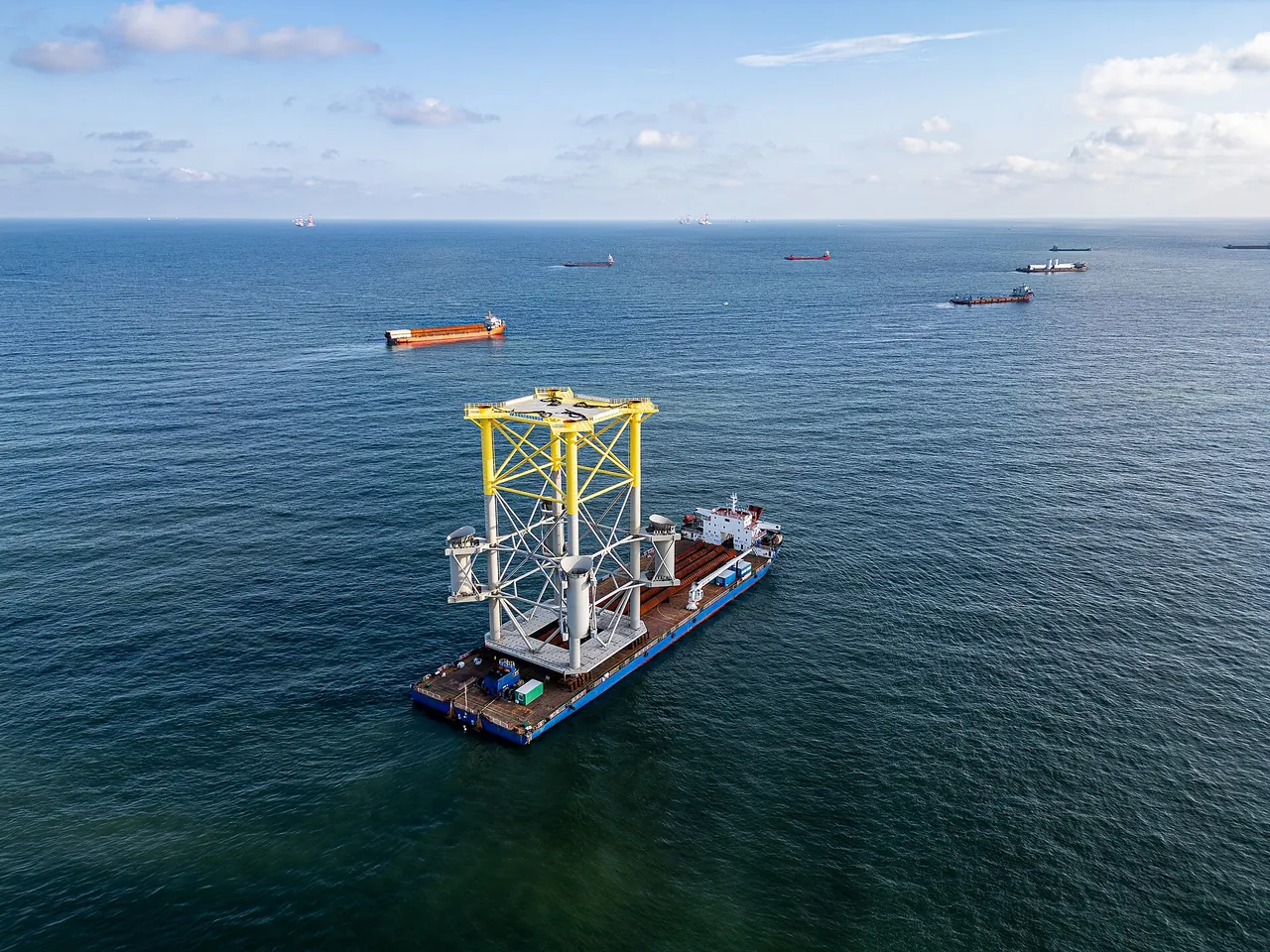
Sany Group will invest more than 300 million dollars in Egypt's first wind turbine factory
The plant in the Suez Canal Economic Zone is tied first to a planned 1,000 MW wind project in the northern Gulf of Suez. 1 min read
Sany plans to put more than 300 million dollars into Egypt’s first wind turbine factory.
China’s Sany Group will invest more than $300 million to build a wind turbine and components plant in the Suez Canal Economic Zone, according to Asharq, as reported by WAYA on June 1. First-phase output is tied to a planned 1,000 MW wind project in the northern Gulf of Suez. Some major components keep arriving from China until local production lines are fully operational. Egypt’s imports of complete wind turbines and major turbine components exceeded $235 million in 2024.
My read: turbines and their major components carry most of a wind project’s equipment value, and producing them inside Egypt keeps more of that margin in the country.
Egypt is positioning the Suez Canal Economic Zone as a gateway to African and Arab markets, so the plant could export as well as supply Egypt’s own target of more than 42% clean electricity by 2030.
Egypt's president reviews a 7,000 MW renewables pipeline and confirms 900 MW Ras Shokeir for 2027
El-Sisi met the prime minister and electricity minister on 18 May. The review also covered Obelisk solar Phase 2, 1,700 MW Minya solar and 4,000 MW of battery storage. 1 min read
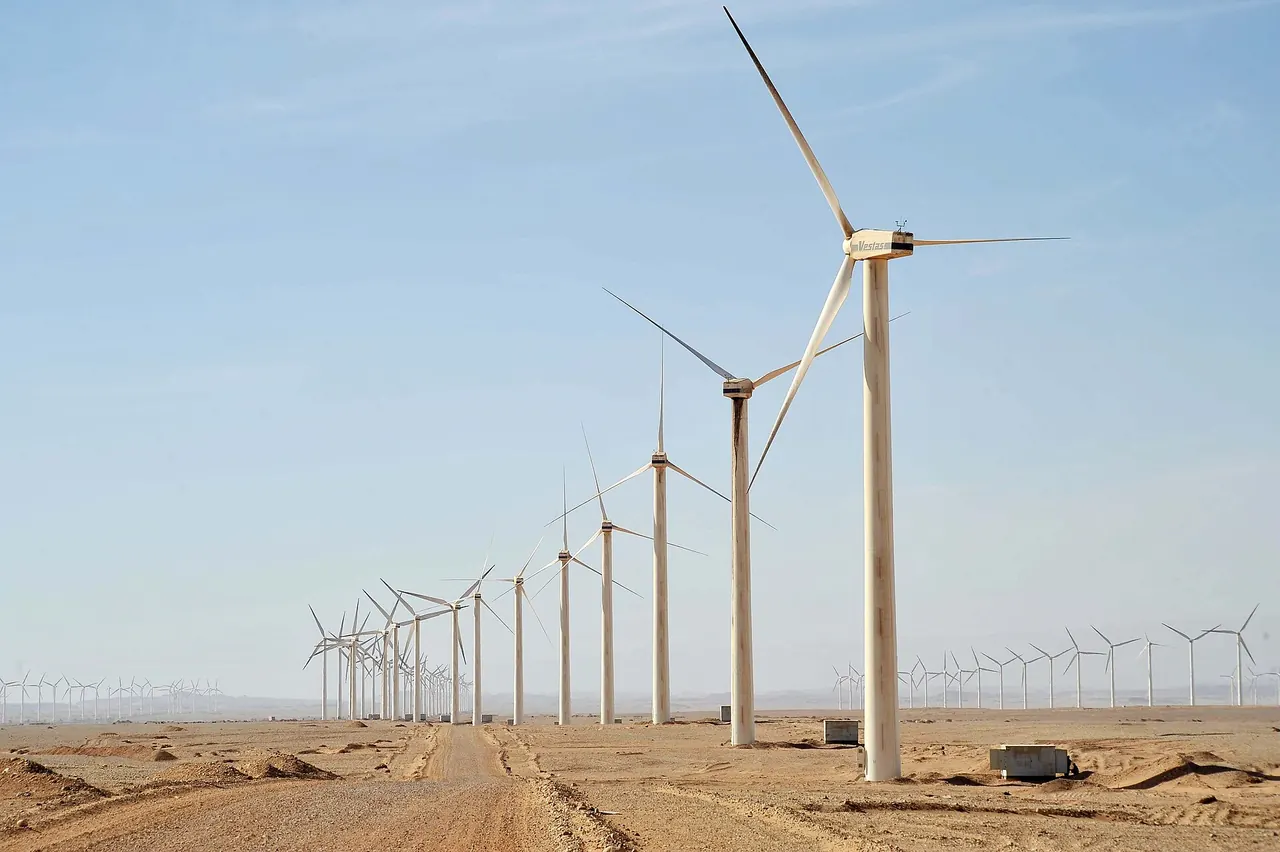
Egypt’s 7,000 MW renewable pipeline just landed on the President’s desk for a project-by-project review.
President Abdel-Fattah El-Sisi met with Prime Minister Mostafa Madbouly and Minister of Electricity and Renewable Energy Mahmoud Esmat on May 18 to walk through Egypt’s combined solar, wind, and energy storage pipeline of more than 7,000 MW. The 900 MW Ras Shokeir wind farm was confirmed for grid connection in 2027. Phase 2 of the 500 MW Obelisk solar plant in Nag Hammadi is scheduled to connect to the national grid later this month. The 1,700 MW Minya solar project was also reviewed, alongside plans for 4,000 MW of connected and standalone battery storage at sites in Minya, Alexandria, and Qena.
Why it matters
Specific BESS site assignments and a near-term grid-connection date for Obelisk Phase 2, reviewed at presidential level, read to us as the buildout shifting from announcement to monthly execution tracking.
What it means for MENA
Egypt is reviewing wind, solar and a multi-site BESS roll-out on the same timetable. The 2027 grid date for Ras Shokeir puts a 900 MW Egyptian wind farm in MENA’s near-term wind queue, and we will track whether it holds.
Egypt's electricity minister reviews 1,500 MW of Alcazar Energy wind projects
Mahmoud Esmat met Alcazar founder Daniel Calderon on 7 May on a 500 MW project at Zaafarana and a 1,000 MW farm in south Hurghada, delivered in two phases. 1 min read
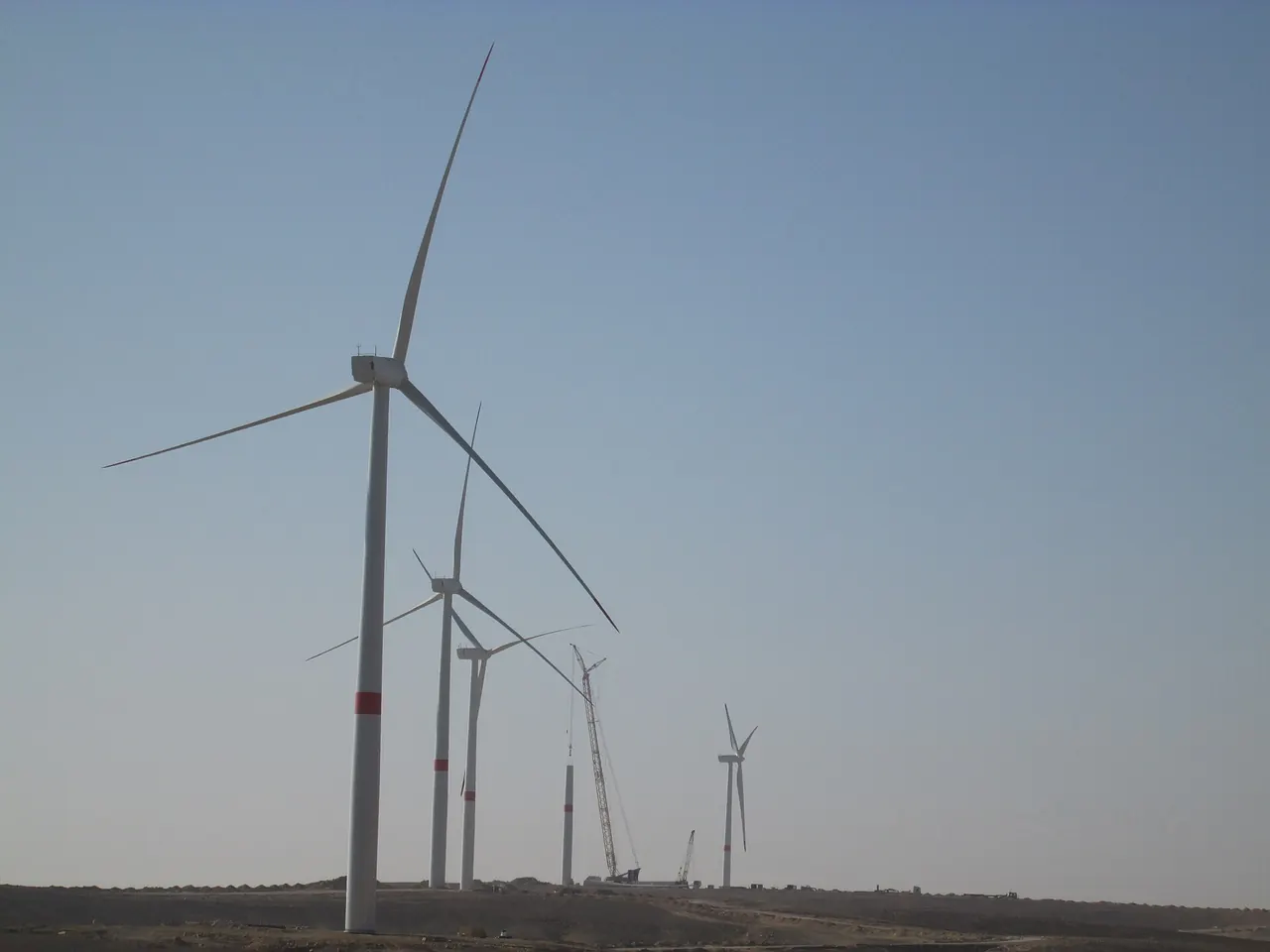
Egypt spent this week reviewing how fast 1,500 megawatts of wind can hit the grid.
On May 7, Egypt’s Minister of Electricity and Renewable Energy Mahmoud Esmat sat down with Daniel Calderon, founder of UAE-based Alcazar Energy, to walk through progress on two onshore wind builds. The first is a 500 MW project at Zaafarana. The second is a 1,000 MW farm in south Hurghada, being delivered in two phases. The conversation zeroed in on timetables, grid connection dates, and the executive procedures needed to keep both projects on schedule.
What to look for
This is the kind of meeting that rarely makes global headlines but moves real megawatts. The minister stressed adherence to the implementation timetable and continuous monitoring. We read that as a shift from announcing wind targets to clearing the bottlenecks that slow them down. Watch for financial close milestones on the south Hurghada phases, and for Zaafarana’s first turbine deliveries.
What it means for MENA
A minister reviewing a UAE developer’s 1,500 MW against grid connection dates is a different conversation from a signing ceremony. My read is that Cairo now treats wind as a hard currency hedge rather than a slow moving climate option. For the wider region, the formula on show here is Gulf capital paired with Egyptian state follow-up on timetables.
If you are tendering, financing, or supplying into this market, the Alcazar pipeline deserves a close read. Who will be the next IPP to put 1,500 megawatts on the minister’s desk?
Egypt resumes talks with Sany on its first wind turbine factory, tied to a 2,000 MW pipeline
Electricity Minister Mahmoud Esmat met Sany in Cairo to advance plans first pitched in January 2026. 1 min read
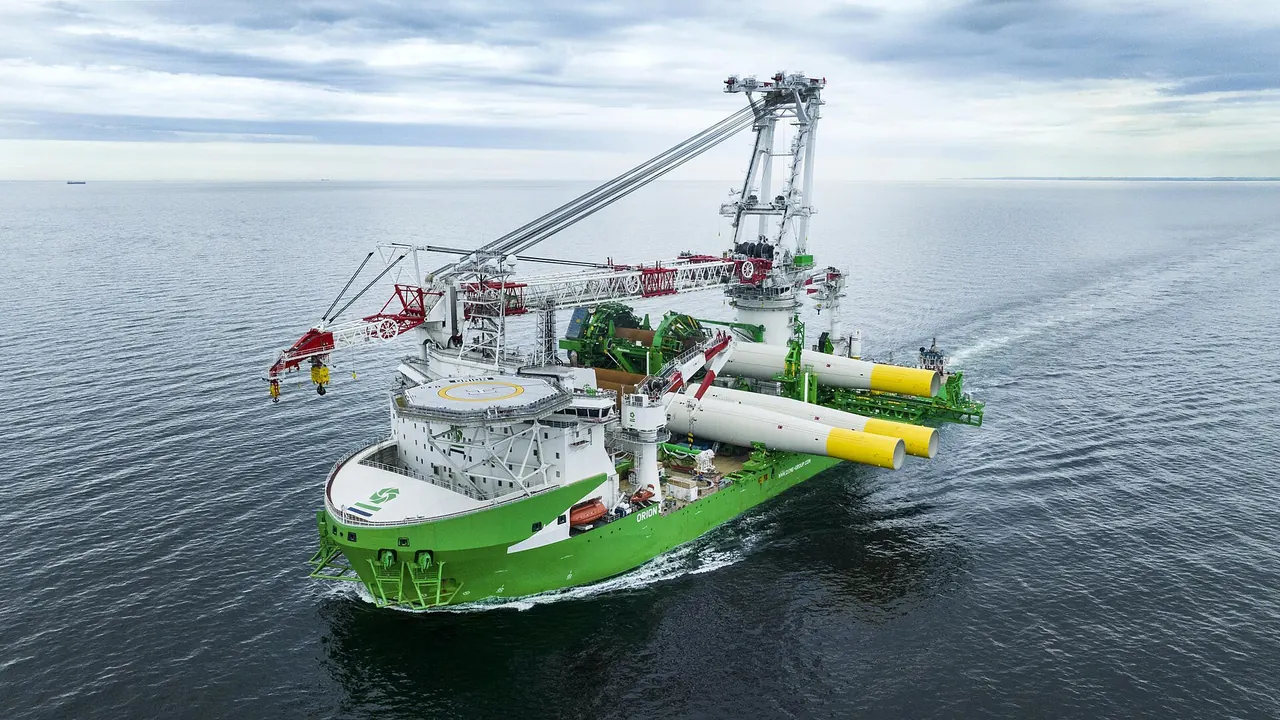
Egypt wants its wind turbines built on Egyptian soil.
The country’s Minister of Electricity and Renewable Energy, Mahmoud Esmat, met China’s Sany Group in Cairo on Monday to advance plans for Egypt’s first wind turbine manufacturing plant. Sany made its initial pitch back in January 2026. According to the ministry statement, the latest meeting covered the steps Sany has taken to set up the factory, transferring and localising the company’s technology, and implementing 2,000 MW of wind projects. There was no mention of cost or location. Egypt has already signed agreements with foreign companies to produce solar panels and storage batteries.
What to look for
The factory itself is the headline, but the structure of the deal is where the real story lives. We see a localisation model as a step up from a straight equipment supply contract. If the 2,000 MW of projects is firmed up, the factory would have a domestic order book before construction begins, which is usually the missing ingredient in early stage manufacturing plays. Watch for the financing structure, the equity split, the export clause, and whether Egyptian steel and tower suppliers get built into the value chain. Watch also for the site, which the ministry statement did not name.
What it means for MENA
AGBI reports that Egypt hopes to become a regional centre for the export of renewable energy products. A wind turbine plant would add a third line to the solar panel and battery deals already signed. Our view is that localised manufacturing trims project costs, shortens lead times, and keeps a larger share of the energy spend inside MENA economies.
The next twelve months will show whether this talk turns into a signed investment. Which matters more to you, the factory or the 2,000 MW attached to it?
Egypt-Saudi HVDC link completes final testing, with the first 1,500 MW due before the end of Q2
The 1,350 km link runs from East Medina and Tabuk to Badr City east of Cairo and reaches 3,000 MW once both phases are operational. The project is priced at USD 1.8 billion. 2 min read
What happens when Egypt and Saudi Arabia get a power highway between them?
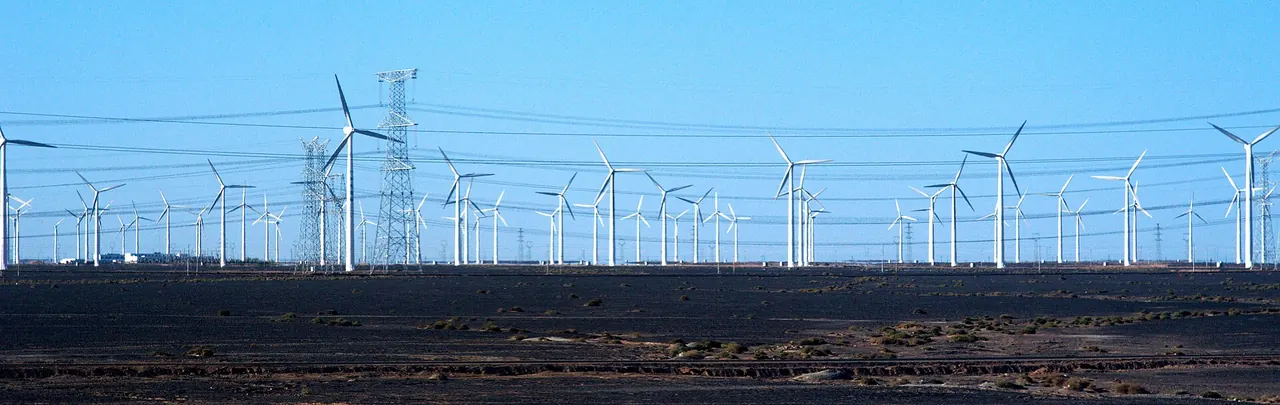
The final stages of technical testing on the Egypt to Saudi Arabia electricity interconnection have been completed, Al Arabiya reported, citing an unidentified source, and Cairo is reportedly planning to bring the first 1,500 MW phase online before the end of the second quarter of 2026, ahead of summer peak demand. In February, President Abdel Fattah El-Sisi stressed the importance of having that first phase running for the summer peak. Converter stations at East Medina and Tabuk in Saudi Arabia and Badr City in Egypt are joined by 1,350 kilometres of overhead lines. Capacity doubles to 3,000 MW once the project is complete. Egypt and Saudi Arabia awarded 1.8 billion dollars in contracts for it in 2021.
What to look for
The technology choice carries a lot of weight here. HVDC moves bulk power across long distances with low losses, which is what variable wind generation needs to travel from where it blows to where it is used. If Egyptian and Saudi demand and wind output peak at different hours, each grid can shave its peaks using the other country’s surplus. Watch for the confirmed energisation date and for the first published flow data across the link.
What it means for MENA
Wind power in this region has been a national story until now. Once this line energises, we think it starts to become a regional resource. Asset owners on both sides could price firm power that crosses borders, which would improve bankability for new wind farms and cut curtailment risk during low demand windows. A working Egypt to Saudi line would give other MENA countries a template for renewable integration at scale, and in our reading it moves the conversation from generation alone toward generation plus transmission as the binding constraint.
We see the summer of 2026 as the first test of MENA wind as a cross border product. Which regional link should come next?
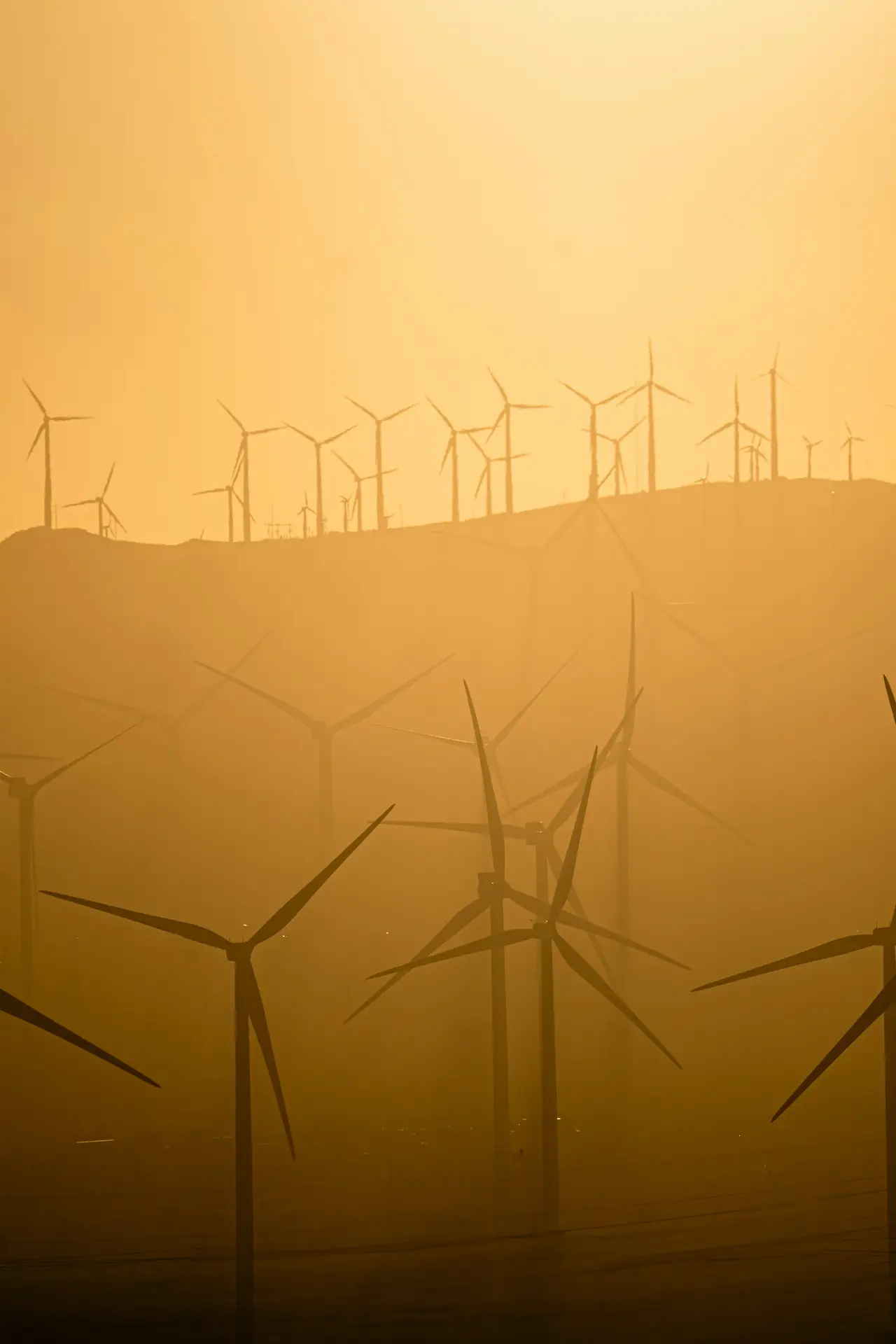
Egypt signs for 4,750 MW of wind and 4,000 MWh of storage, and targets 45% renewables by 2028
Tahya Misr Holding Company will lead financing and implementation, with electricity priced in Egyptian pounds and a two-year delivery window. The wind farms sit along the Gulf of Suez corridor. 2 min read
Egypt just pulled its 2030 renewables target two years forward and lined up almost 5 gigawatts of wind to make it happen.
On May 4, Cairo signed a fresh cooperation agreement between Tahya Misr Holding Company, the Ministry of Electricity, and the Ministry of Finance to develop 4,750 MW of new wind capacity paired with 4,000 MWh of battery storage. The wind farms are slated for the Gulf of Suez, Ras Shukeir, Galala, and Zafarana, while batteries will be deployed south of Cairo, in Damanhur, and at Wadi El Natrun. Tahya Misr is taking on financing and implementation, with electricity priced in Egyptian pounds and a two year delivery window. The headline number sits behind it all, 45% renewables by 2028, replacing the old 42% by 2030 target.
What to look for
The financing route is the part we would watch most closely. In our read, a state-owned holding company financing wind with electricity priced in local currency takes hard currency risk off the table for the projects. The four wind sites all sit along the Gulf of Suez coast. The storage layer is built into the plan rather than bolted on later, with 4 GWh of batteries sited south of Cairo, in Damanhur and at Wadi El Natrun, and we read that as Egypt treating wind plus storage as one system. The two year build target is aggressive, which puts immediate pressure on turbine OEMs, civil contractors and the national electricity transmission company that has to connect it all.
What it means for MENA
We read this as a reset of regional ambition. Cairo is telling the rest of the region that 2030 was too patient a deadline. Pulling the share up by three percentage points and the date back by two years raises the bar for what other MENA governments can credibly target. The local currency pricing matters too. Our read of the deeper signal: state holding companies stepping into wind project delivery, with hard currency lenders following on rather than leading.
If Tahya Misr delivers inside two years, Egypt will have shown the region that wind ambition can be financed domestically and built fast. Who else in MENA is ready to bring their 2030 target forward to 2028?
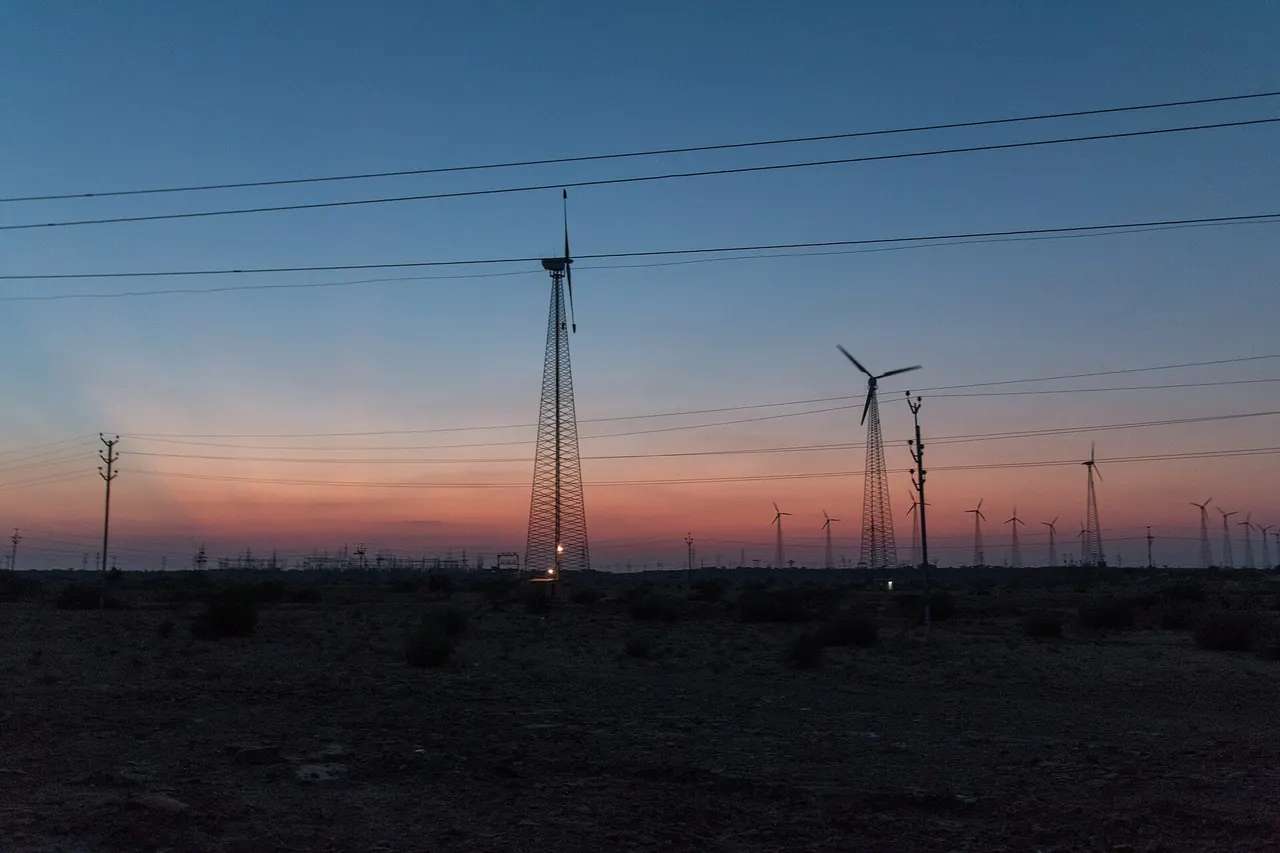
Egypt plans a global tender for a 390 km, 500 kV line to carry Gulf of Suez wind
The line is valued at EGP 12 billion, around USD 226 million, with completion scheduled for mid-2027. The plan targets projects by Scatec and Orascom Construction in particular. 1 min read
Egypt is preparing to tender the wires to move its Gulf of Suez wind.
Cairo plans a global tender for a 390 km, 500 kV transmission line connecting wind energy facilities in the Gulf of Suez to the national grid. Asharq Business, citing unidentified sources, puts the project at EGP 12 billion, around 226 million dollars, with completion planned for mid 2027. AGBI, which reported the plan on April 30, says it will be one of the largest lines in the country. The aim is to integrate renewable projects, especially those of Scatec and Orascom Construction. Orascom, ENGIE and Aeolus announced plans in March for a 900 MW onshore wind farm near Ras Shokeir on the western coast of the Gulf of Suez. Scatec said in January it would build a 1.7 GW solar plant with 4 GWh of battery storage in Minya.
What to look for
I read this as a transmission story dressed up as a wind story. Track how quickly the tender package gets published, which international EPC contractors line up, and how the financing is structured after the 8 billion dollar outflow Moody’s says Egypt suffered because of the regional conflict. Cairo said earlier in April that it expects renewables to reach 42 percent of its generation mix by 2030, and this line is part of how it gets there.
What it means for MENA
My read is that grid build out is becoming the quiet bottleneck that decides which countries hit their wind targets. Countries that treat wires as climate infrastructure of equal weight to turbines should keep adding gigawatts through 2030. Countries that only run generation auctions risk curtailment, and investor confidence with it.
The next chapter of MENA wind will be written as much by the EPC firms stringing the lines as by the developers raising the towers. If you are tracking this transition, follow the wires.
AfDB and ILX channel USD 40 million of European pension money into Egypt's 1.1 GW wind project
ILX signed on 20 April for a funded risk participation in a USD 140 million AfDB senior debt facility, the first deal under a partnership agreed in 2023. 1 min read
European pension money just walked through the door of Egypt’s wind sector.
The African Development Bank and Dutch asset manager ILX Management have closed their first joint transaction, channelling 40 million dollars from European institutional investors into a 1.1 gigawatt wind project in Egypt. The deal is part of a 140 million dollar AfDB senior debt facility, structured as a funded risk participation. ILX, which manages capital on behalf of European pension funds, signed on April 20, 2026. It is the first transaction under the AfDB and ILX climate finance partnership agreed in 2023. The wind farm will be Egypt’s largest, and supports the country’s 42 percent renewables target by 2030.
What to look for
I think the mechanism matters as much as the money. A funded risk participation lets a development bank like AfDB share both funding and credit risk with a private investor, which is the kind of plumbing European pension money needs before it reaches wind in this region. If this template scales, expect more African and MENA wind projects to tap European retirement savings instead of sovereign budgets. Watch whether AfDB repeats the structure across the Maghreb pipeline.
What it means for MENA
In Egypt’s wind sector, my read is that the harder question now is who finances the megawatts and at what cost. Pension fund capital is patient and price disciplined, which suits the long life of a wind asset. For developers in Morocco, Tunisia, Saudi Arabia and Oman, this transaction is a useful precedent: European institutional money is wired into a real African wind project, with documentation the next round of deals can borrow from.
Africa’s renewable buildout needs deeper, cheaper, longer money. This deal opens a new tap.