Alfanar wrote a 100 million dollar cheque this month, and it did not go to a wind farm.
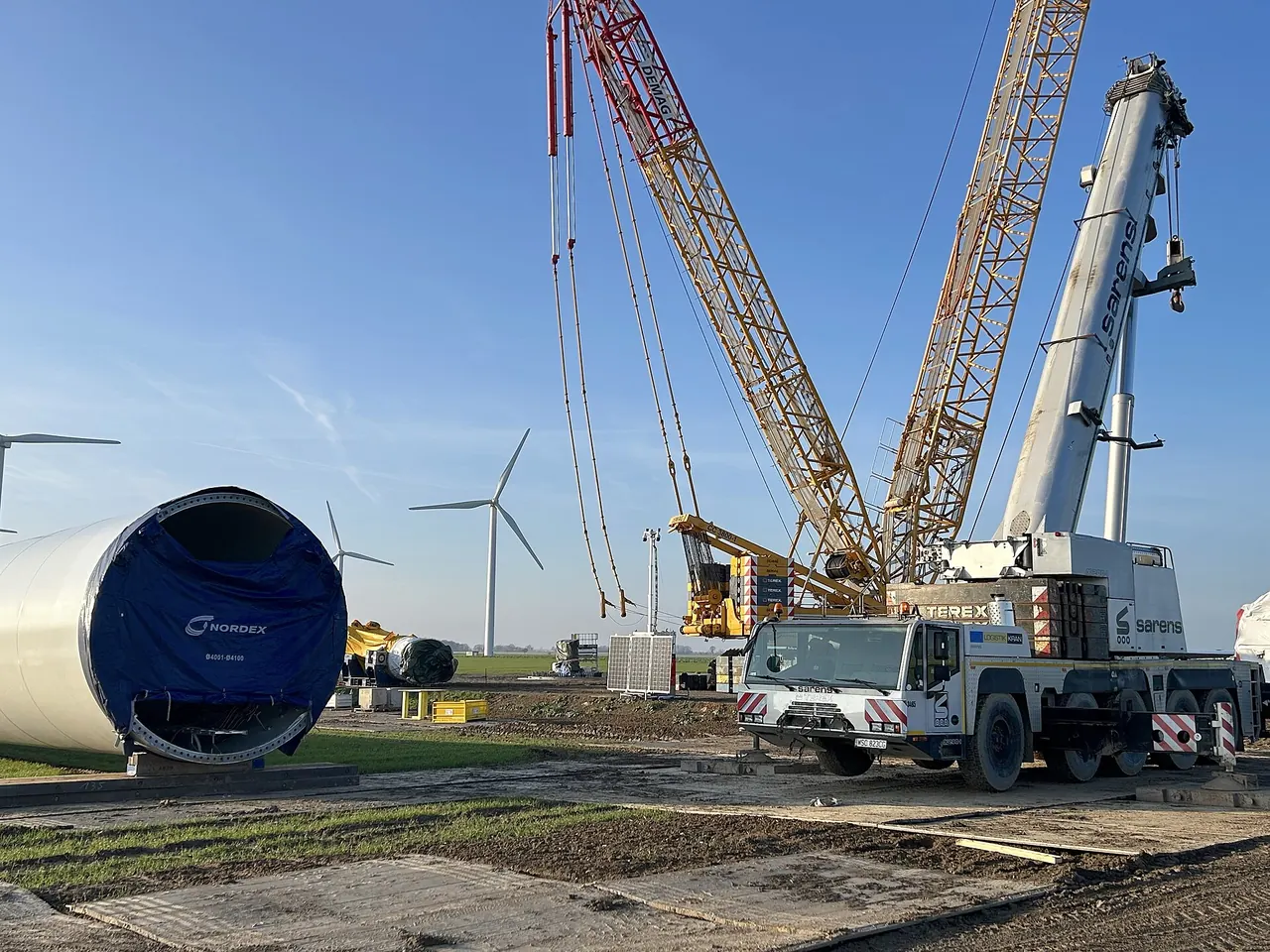
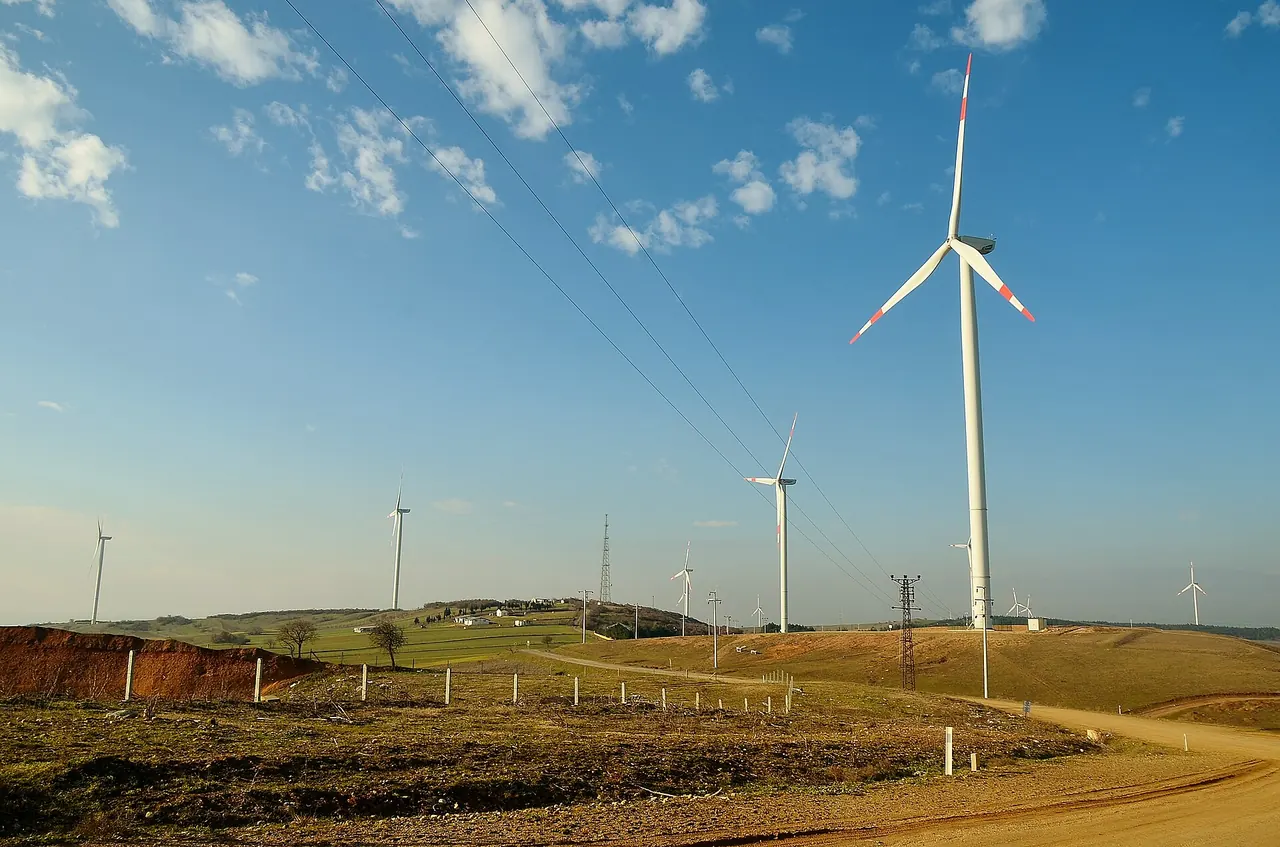
The Saudi engineering and construction group is investing an additional 9.5 billion rupees, about 100 million dollars, into Senvion India, the wind turbine manufacturer it acquired in 2021. The first 3.2 billion rupees arrived in August and the remainder follows in the next few weeks. Senvion India will spend it on its long-term product roadmap, on growth capital for its business in India and globally, and on accelerating its project pipeline. Chief executive Shreyas Suvarna said the company will deepen its research and development capabilities and support customers “throughout the 25-year lifecycle of their assets”. Senvion India builds roughly 1.5 GW of turbines a year and launched a 4.2 MW machine with a 160 metre rotor in 2024.
Why it matters
My read is that turbine manufacturing has consolidated into a short list of European and Chinese OEMs, and the independents that survive between them tend to do so because a shareholder keeps funding the product roadmap through the thin years. That is what I think this money buys. It is a slower and far less visible use of capital than acquiring operating megawatts, and the return shows up in a turbine model three years from now rather than in a quarterly generation figure.
What it means for MENA
When Gulf capital goes into wind abroad, in the deals we track it usually buys equity in projects. Alfanar bought the turbine maker, and with it the turbine platform. Manufacturing joint ventures deliver a plant and jobs, and I would want to know where the design authority ends up. A Saudi group already owns an independent turbine platform outright, and every megawatt of that manufacturing capacity is in India. The question I would ask is whether the next MENA group that wants a turbine platform buys one or builds one.