

Installed capacity, pipeline and named projects will appear here, each figure linked to its source.
Coverage
Saudi power awards fell from USD 54.2 billion to USD 3.4 billion. Wind's money is waiting on Round 7
MEED data shows a sharp slowdown in 2026 contract awards. Round 7 bids for 2,200 MW of wind were due in September, but awards may slip into 2027. 1 min read
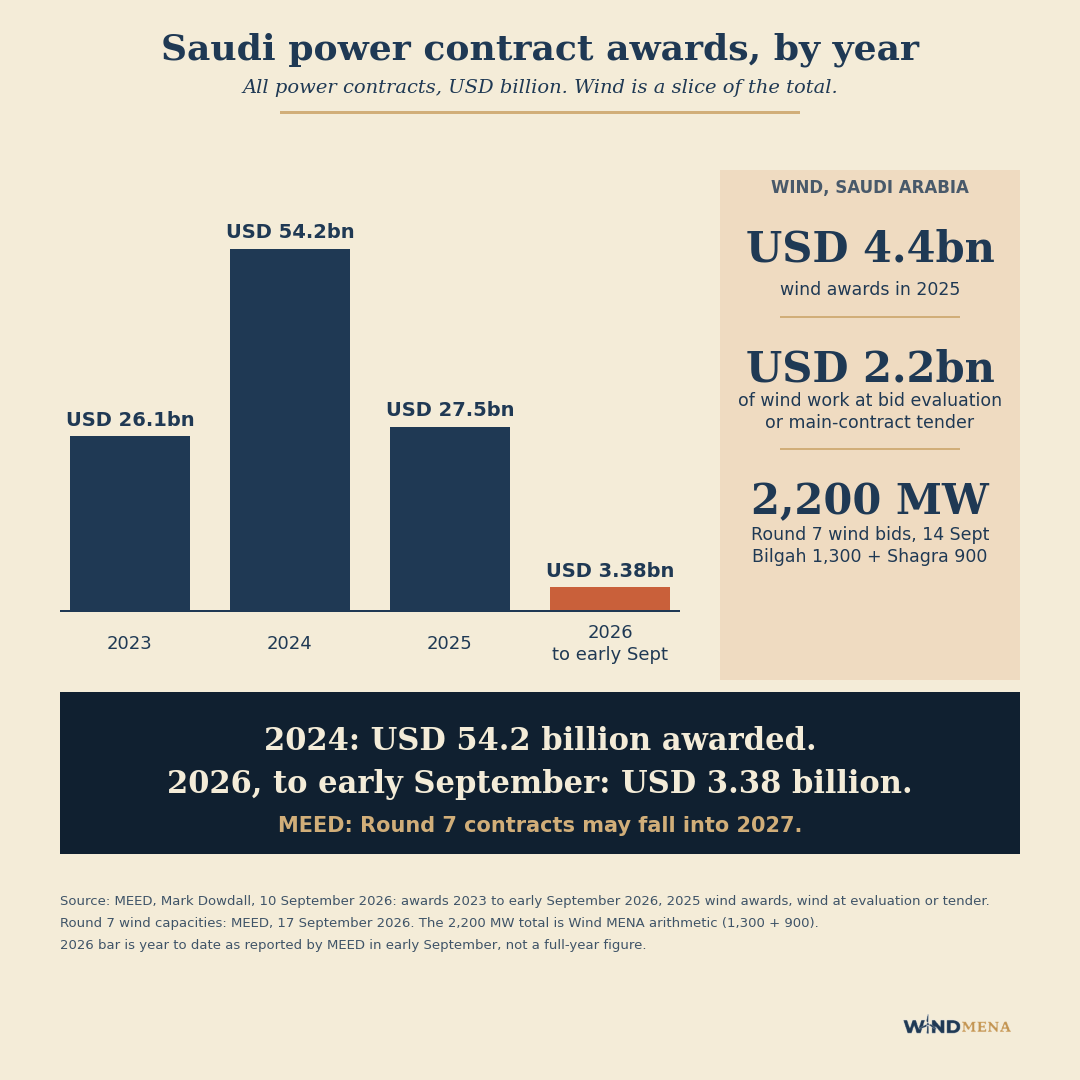
Saudi Arabia awarded USD 54.2 billion of power contracts in 2024. By early September 2026, the year’s total stood at USD 3.38 billion.
MEED’s Mark Dowdall puts 2023 at USD 26.1 billion and 2025 at USD 27.5 billion. Wind took USD 4.4 billion of the 2025 awards, and USD 2.2 billion of wind work is still at bid evaluation or main-contract tender.
Round 7 wind bids were due in September: 1,300 MW at Bilgah and 900 MW at Shagra, 2,200 MW together. MEED says contracts from Round 7 may now fall into 2027 rather than materially lifting this year’s total.
Two cautions. These are all-power figures, with wind one slice of them. And MEED links the slowdown partly to a shift toward battery storage and transmission, alongside Round 7 procurement delays.
Our reading
The wind money is at bid stage, with no awards yet. A bid is a promise. An award is a purchase order, and the supply chain only hears the second one.
Alfanar puts about USD 100 million more into Senvion India, the wind turbine maker it owns
The Saudi group is investing an additional 9.5 billion rupees in Senvion India, acquired in 2021, to fund its product roadmap, growth capital and project pipeline. 1 min read
Alfanar wrote a 100 million dollar cheque this month, and it did not go to a wind farm.
The Saudi engineering and construction group is investing an additional 9.5 billion rupees, about 100 million dollars, into Senvion India, the wind turbine manufacturer it acquired in 2021. The first 3.2 billion rupees arrived in August and the remainder follows in the next few weeks. Senvion India will spend it on its long-term product roadmap, on growth capital for its business in India and globally, and on accelerating its project pipeline. Chief executive Shreyas Suvarna said the company will deepen its research and development capabilities and support customers “throughout the 25-year lifecycle of their assets”. Senvion India builds roughly 1.5 GW of turbines a year and launched a 4.2 MW machine with a 160 metre rotor in 2024.
Why it matters
My read is that turbine manufacturing has consolidated into a short list of European and Chinese OEMs, and the independents that survive between them tend to do so because a shareholder keeps funding the product roadmap through the thin years. That is what I think this money buys. It is a slower and far less visible use of capital than acquiring operating megawatts, and the return shows up in a turbine model three years from now rather than in a quarterly generation figure.
What it means for MENA
When Gulf capital goes into wind abroad, in the deals we track it usually buys equity in projects. Alfanar bought the turbine maker, and with it the turbine platform. Manufacturing joint ventures deliver a plant and jobs, and I would want to know where the design authority ends up. A Saudi group already owns an independent turbine platform outright, and every megawatt of that manufacturing capacity is in India. The question I would ask is whether the next MENA group that wants a turbine platform buys one or builds one.
Yanbu port lands nine wind turbines, including 27 blades, for Saudi Arabia's Setara and Shaqra projects
The Pacific Titan docked at King Fahd Industrial Port with one of the largest cargoes the port has handled, the Saudi Press Agency reported on 5 August. 1 min read
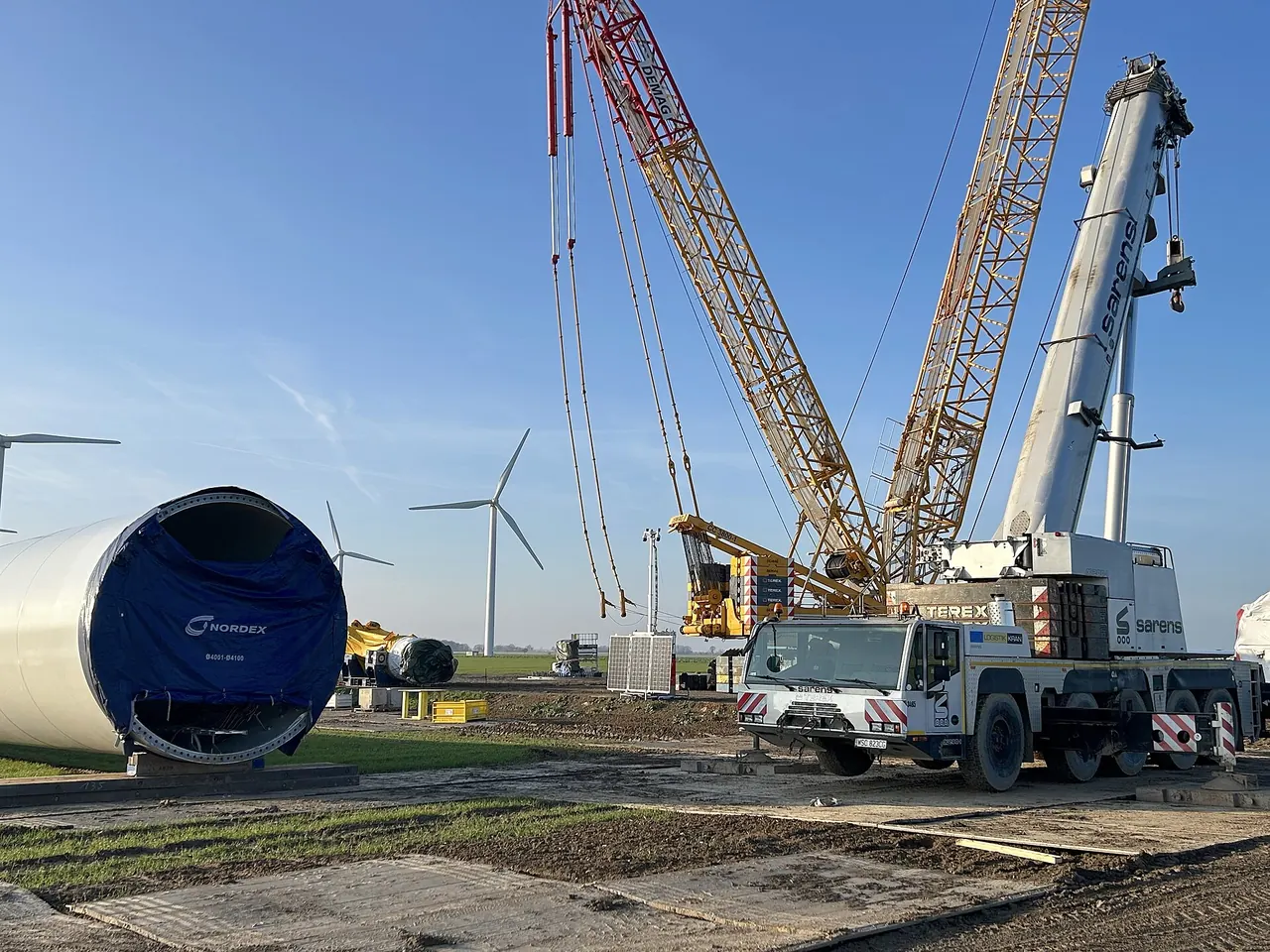
Nine complete wind turbines, 27 blades included, came off a single vessel at Yanbu this week, and the Saudi Press Agency called it one of the largest shipments the port has ever handled.
The Pacific Titan docked at King Fahd Industrial Port on the Red Sea carrying the turbines and other components, bound for the Setara and Shaqra wind projects, the Saudi Press Agency reported on Wednesday. Saudi Arabia’s Ministry of Energy coordinated the delivery with other government agencies. Both projects sit inside the National Renewable Energy Program, which the ministry runs through the Saudi Power Procurement Company, the Kingdom’s principal electricity buyer. SPPC prepares the project studies, launches the generation schemes and signs the power purchase and storage agreements with developer consortia. Saudi Arabia is targeting around 50 percent of its electricity generation mix from renewables and storage by 2030.
Why it matters
A wind build-out lives or dies on the physical chain between a factory gate and a foundation. A berth that cannot take oversized cargo quietly caps how fast a country can install. In our reading, ports rarely appear in the headline numbers, yet they set the real ceiling on how quickly a pipeline turns into megawatts.
What it means for MENA
I think every wind market in the region will meet this same test, from Egypt’s Gulf of Suez to Morocco’s Atlantic coast and Oman’s Dhofar and Duqm sites, and I expect the next decade of equipment to be bigger than the last. Tariff records get the attention. We would rank a proven berth higher right now, because a cheap megawatt that cannot be delivered is a spreadsheet entry rather than electricity.
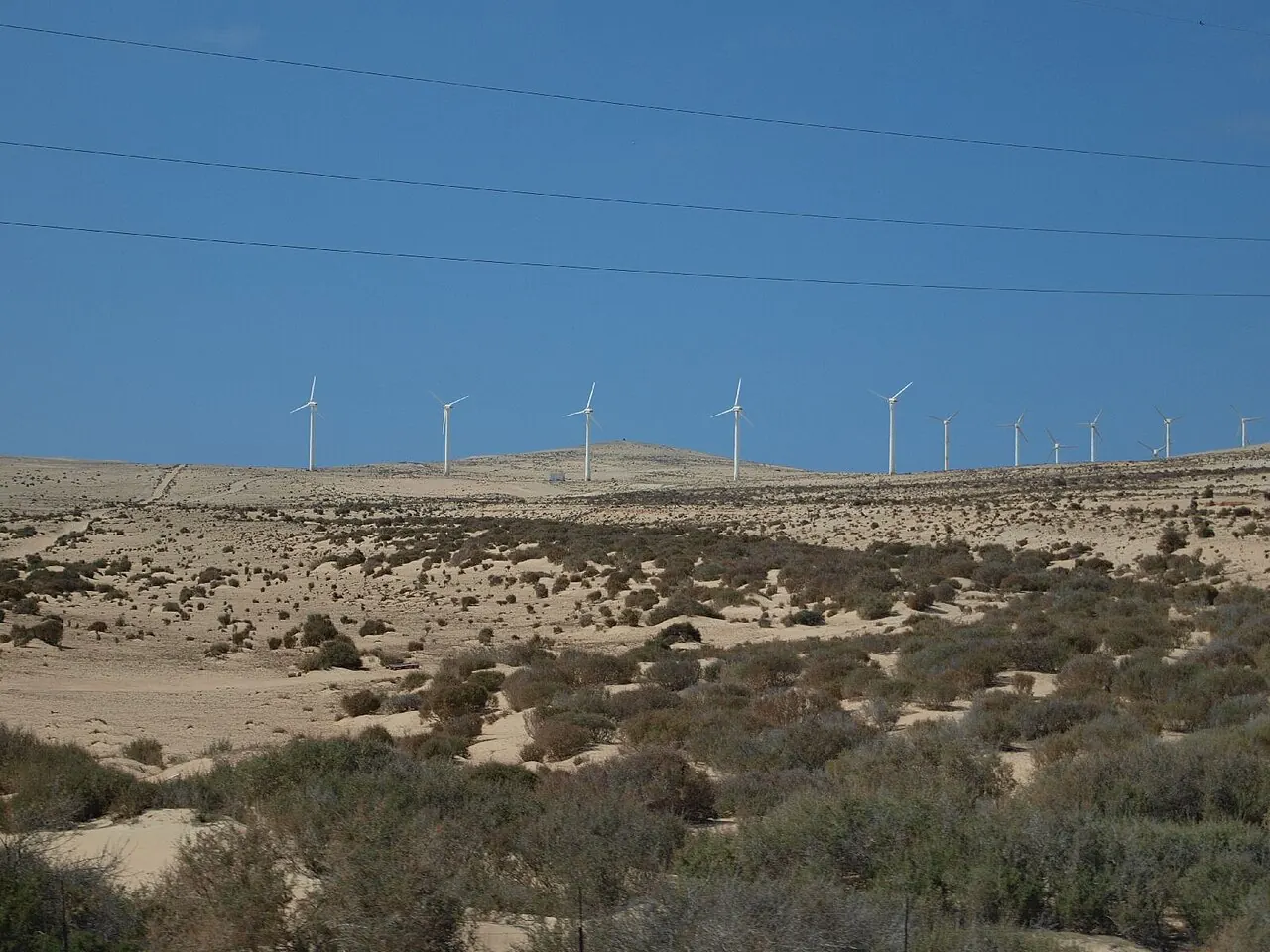
Saudi Arabia's sub-2-cent wind tariff faces its first operating year before Round 7
Al-Ghat cleared at 1.566 cents per kWh and is now fully grid-connected, with Wa'ad Al Shamal synchronised behind it. Operating data from Q3 2026 arrives as Round 7 wind is bid. 1 min read
MENA wind’s next real price test arrives with the first operating year.
Saudi Al-Ghat’s 600 MW cleared at 1.566 cents per kWh under a 25-year SPPC PPA and is now fully grid-connected. Wa’ad Al Shamal’s 500 MW reached full grid synchronization on June 25, with both projects pending the 168-hour reliability run before commercial operation. The same Marubeni and Ajlan partnership is building Yanbu 700 MW behind them. NREP Round 7 wind bidding falls into that same window.
Those prices were set before either site had a year of operating data at hub height. From Q3 2026, that data starts arriving. Availability rates, curtailment behaviour, dust and thermal loss profiles all land at project meters over the next four quarters. I expect lenders and procurement offices to read those numbers before they underwrite the next tender.
That is the test. If Round 7 clears near current levels once the first operating year is public, I would read the sub-2-cent floor as a real market clearing price. If Round 7 clears wider, operating reality has repriced the market.
Which way does it go?
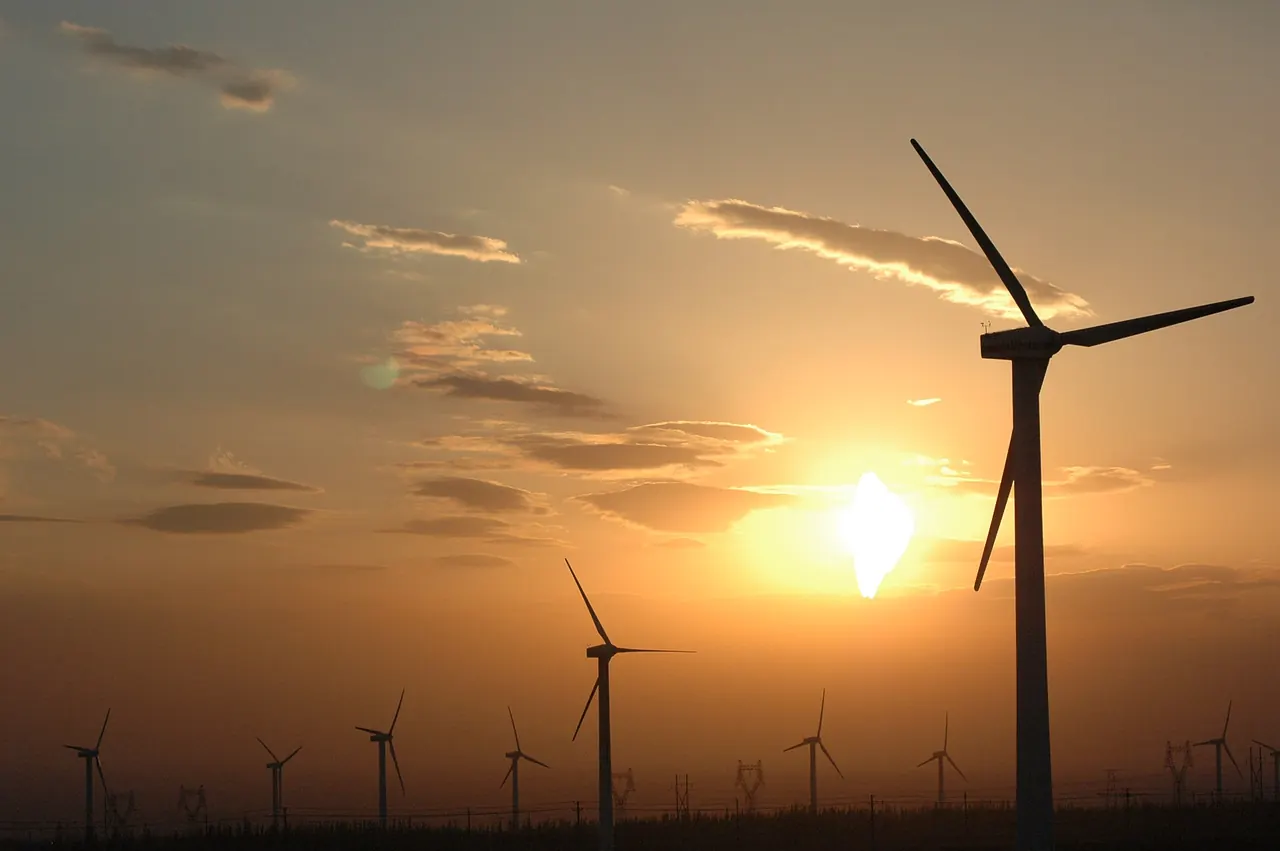
Saudi Arabia's 600 MW Al-Ghat wind farm reaches full grid connection on all 80 turbines
EPC contractor SEPCOIII confirmed final installation on June 2 and full grid synchronization within eight days. Output is projected at 4.2 TWh a year. 1 min read
Saudi Arabia’s 600 MW Al-Ghat wind farm just energized all 80 turbines.
EPC contractor SEPCOIII confirmed final installation on June 2 and full grid synchronization within eight days. The site is between Al Ghat and Az Zulfi in Riyadh Province, runs 80 domestically supplied 7.7 MW turbines and is projected to generate 4.2 TWh per year, enough for around 300,000 households. Marubeni and Ajlan & Bros co-developed under a 25-year SPPC PPA priced at $0.01566/kWh.
Why it matters
We read Al-Ghat as one site that lands three of MENA wind’s 2026 ambitions together: a 7.7 MW turbine class, a sub-2-cent tariff, and domestically supplied turbines.
What it means for MENA
Saudi wind is moving from procurement headlines to grid-connected capacity. Each project that reaches full synchronization gives the next round of bidders a real build schedule to price against.
Saudi Arabia's 3 GW, 12 GWh battery storage tender closes qualification on 5 May
SPPC's six build-own-operate projects are each sized at 500 MW and 2 GWh. The tranche follows a first wave of 2 GW and 8 GWh. 1 min read
My pick for this week’s MENA wind story has nothing to do with a turbine.
The Saudi Power Procurement Company is closing the qualification window tomorrow, May 5, on a tender for six new battery storage projects totaling 3 GW and 12 GWh. The six sites are Samha in Qassim, Al-Leeth, Khulis and Ashyrah in Makkah, Al-Henakiyah in Madinah, and Sadawi in the Eastern Province, each sized at 500 MW and 2 GWh with four hour duration, all delivered build own operate. This is the second tranche after the 2 GW and 8 GWh first wave, and it counts toward Saudi Arabia’s 48 GWh battery storage target for 2030.
What to look for
We read this tender as the firming layer Saudi wind will need as more capacity connects. Watch which consortia qualify, and watch the LCOS numbers when bid prices land.
What it means for MENA
My view is that storage decides how much new wind the region can absorb without curtailment. By tendering 12 GWh in one shot, on top of 8 GWh in the first wave, Saudi Arabia is giving the rest of the region a working model of wind firming at scale.
SPPC’s qualification deadline falls at 14:00 on May 5.
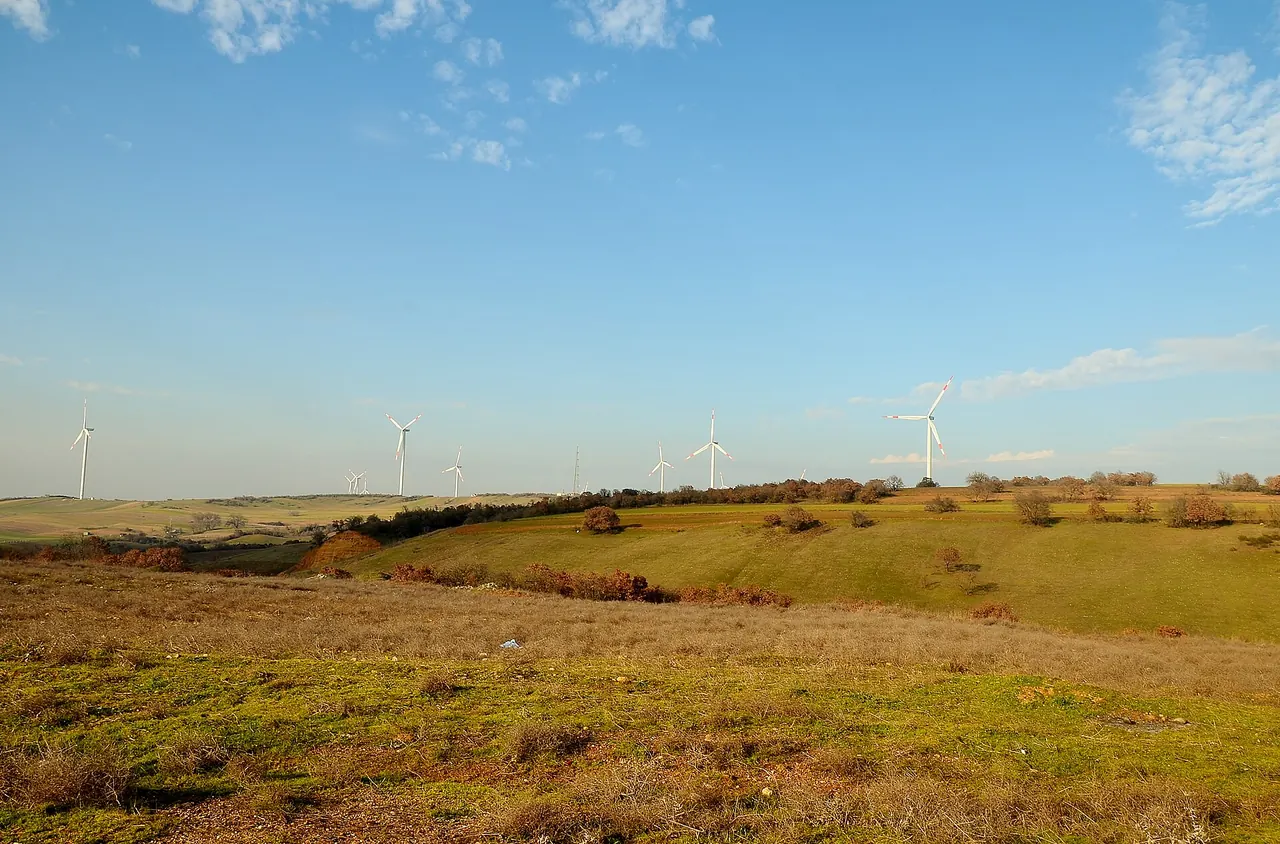
Saudi Arabia added a record 1,512 MW of wind in 2025, 57.8% of all Africa Middle East additions
GWEC's Africa Middle East report puts regional additions at 2.6 GW in 2025 and cumulative capacity at 15.2 GW. Saudi Arabia's installed base rose to 2,324 MW from 812 MW. 1 min read
Saudi Arabia almost quadrupled its annual wind additions in a single year, and on its own accounted for almost three in five new megawatts across Africa and the Middle East.
GWEC’s new Africa Middle East regional report, released April 28, says the Kingdom commissioned 1,512 MW of new onshore wind in 2025, a 287.7 percent leap year on year. That haul alone accounts for 57.8 percent of the region’s new wind capacity. Region wide, additions hit 2.6 GW in 2025, up 32 percent from 2024, while cumulative installed wind in Africa and the Middle East climbed to 15.2 GW. South Africa remains the largest single market at 4,037 MW, with Egypt second at 3,097 MW, Morocco fourth at 2,629 MW, and Saudi Arabia at a cumulative 2,324 MW from just 812 MW the year before.
What to look for
GWEC projects another 35 GW of new wind capacity across Africa and the Middle East between 2026 and 2030, with the Middle East taking the larger 53 percent share. If every project under construction, the 5.3 GW already awarded through Saudi NREP auctions, and the manufacturing pipeline in Saudi Arabia and Oman lands as planned, the Middle East alone could add over 18 GW by 2030. The pace setters I would track are NREP Round 7 awards, Yanbu and Al Ghat moving through commissioning, and the West Sohag tender in Egypt.
What it means for MENA
Egypt and Morocco still hold the larger installed bases. On these numbers, my read is that the center of gravity for new build has moved to the Gulf, and North African procurement teams now have a Saudi volume benchmark to answer.
I think the next 18 months of auctions and commissionings will decide which countries lead the region through 2030.
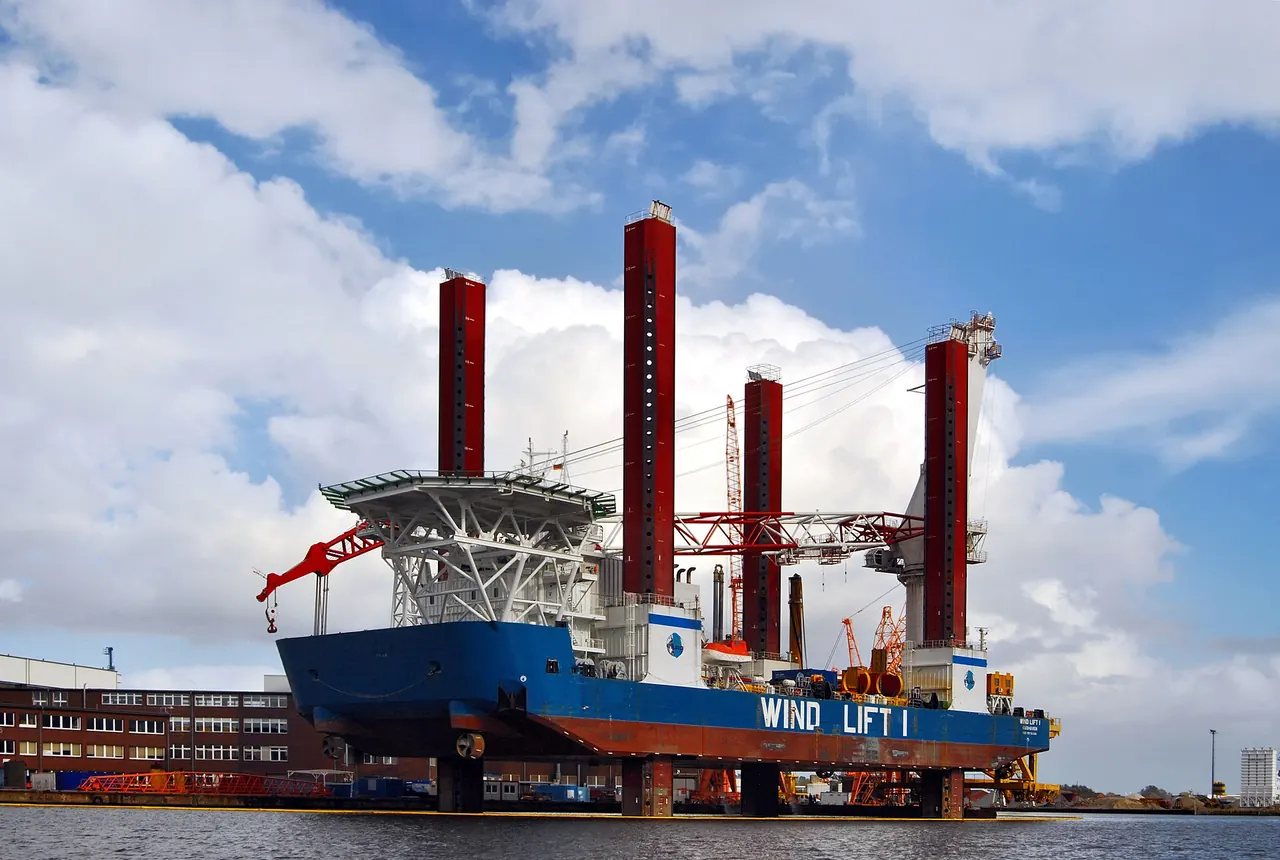
Al Yamamah Steel signs SAR 126 million tower deal for Saudi Arabia's 700 MW Yanbu wind farm
The contract supplies steel wind towers to EPC contractor SEPCO3, which won the Round 4 Yanbu EPC award in July 2025. 1 min read
Saudi wind just placed a nine-figure riyal order for locally made steel.
Al Yamamah Steel Industries has signed a 126 million riyal contract (around 33.6 million dollars) with EPC contractor SEPCO3 to supply steel wind towers for the 700 MW Yanbu Wind Farm in Madinah Province. SEPCO3 won the EPC contract in July 2025. Yanbu is a Round 4 project under Saudi Arabia’s National Renewable Energy Program.
What to look for
Watch whether Al Yamamah wins follow-on tower orders from later NREP rounds. One contract does not make a supply chain, and I would want to see repeat orders before calling this a trend.
What it means for MENA
In our view, a Saudi supplier feeding a Saudi farm should cut shipping times, currency exposure and logistics risk for future projects across the region. Egypt, Oman and Morocco could gain a regional tower partner rather than a distant one. MENA is starting to build some of the wind industry it used to only buy.
If you are developing wind, investing in MENA supply chains, or planning project EPC in the Gulf, what local content milestone would move your next project faster?