In 2006, investing in wind and solar was a contrarian bet. The UAE took it anyway.
Masdar, Abu Dhabi’s state-backed clean energy company, turned 20 on April 23, 2026. Founded by President Sheikh Mohamed bin Zayed Al Nahyan through Mubadala when renewables were still unproven at scale, Masdar has grown its portfolio to over 65 gigawatts. The company is targeting 100 GW by 2030, backed by a planned $30 to 35 billion in new equity and project finance, which works out to an average of 10 GW of new capacity a year.
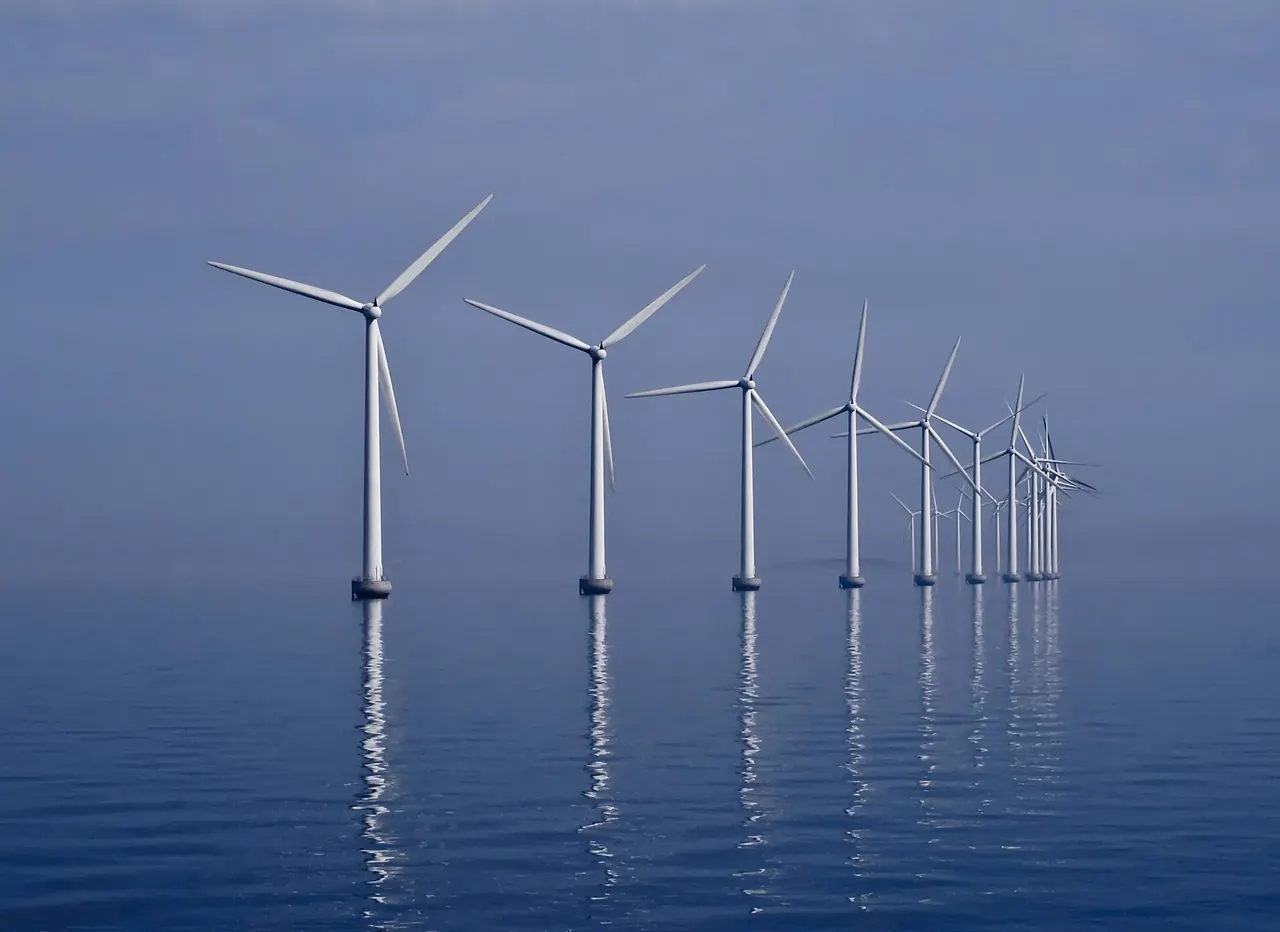
“Masdar didn’t ride the clean energy wave. We helped create it,” said Sultan Ahmed Al Jaber, Masdar’s founding CEO. The portfolio includes the world’s first floating offshore wind farm (30 MW Hywind Scotland) and Central Asia’s largest wind farm (500 MW Zarafshan in Uzbekistan). With EWEC, Masdar is now developing what it calls the world’s first gigascale integrated renewable project in Abu Dhabi: 5.2 GW of solar paired with 19 GWh of battery storage delivering 1 GW of uninterrupted baseload power.
What to look for
Watch whether Masdar’s 100 GW target by 2030 delivers meaningful wind additions alongside its solar-heavy portfolio. This month Masdar signed a binding agreement for a $2.2 billion, 50/50 JV with TotalEnergies that merges their onshore renewables in nine Asian countries. We read that as a sign of where growth capital is flowing. The question for MENA: does Masdar’s own backyard keep pace with its global footprint?
What it means for MENA
Masdar’s story is the UAE’s story. It was built on a bet that energy wealth can be converted into energy leadership. Twenty years on, we think the bet has paid off at scale. The harder test for the region now is whether it can build the industries around clean energy as well as the plants.
If you work in MENA energy, what do you see as Masdar’s most underappreciated contribution over the past 20 years?