

Installed capacity, pipeline and named projects will appear here, each figure linked to its source.
Coverage
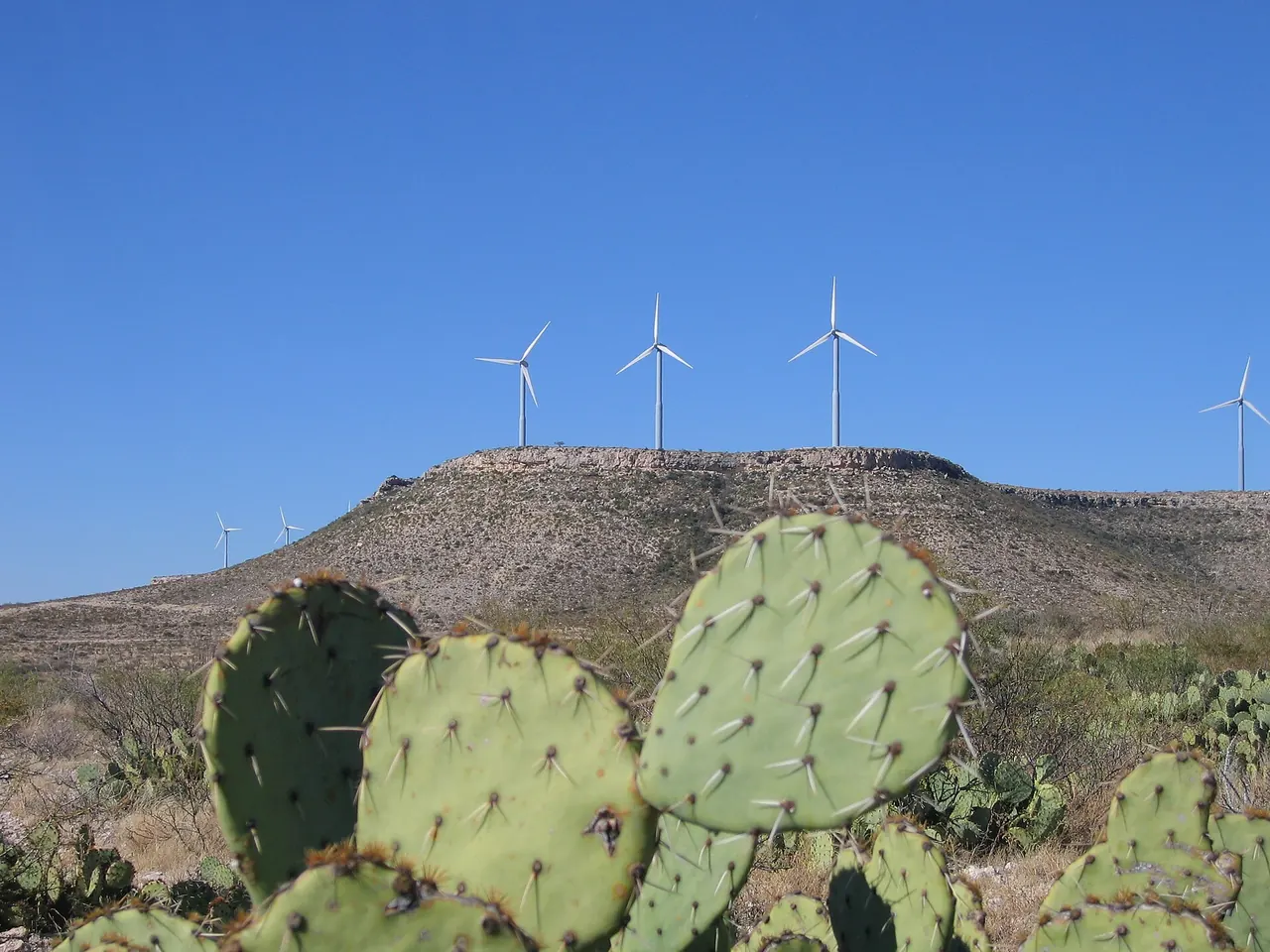
Masdar and Taaleri open the 154 MW Čibuk 2 wind farm, a winner of Serbia's first wind auction
Čibuk 2 stands beside the 158 MW Čibuk 1 in southern Banat. Balkan Green Energy News reports the 312 MW complex as the largest in the Western Balkans. 1 min read
Serbia ran its first wind auction. One of the winners is now sending power to the grid.
Masdar and Taaleri Energia marked the formal start of operation of the 154 MW Čibuk 2 wind farm at a ceremony in Belgrade. The plant stands between the villages of Bavanište and Mramorak in the municipality of Kovin, in southern Banat, beside the 158 MW Čibuk 1 that the same two partners commissioned in 2019. Čibuk 2 secured a market premium at Serbia’s first wind power auction, and its project company signed a power purchase agreement plus balancing and market-premium contracts with state utility Elektroprivreda Srbije. UniCredit and Erste provided the project financing. Nordex supplied the equipment. Balkan Green Energy News reports the combined 312 MW complex as the largest in the Western Balkans, carrying more than EUR 500 million of foreign direct investment and generating the equivalent of the annual needs of an estimated 178,800 households.
Why it matters
An auction result is a price, and a price is only worth what someone builds against it. Čibuk 2 ran the full circuit in a country that had never held a wind auction before. Bid, market premium, PPA, financial close two years ago, turbines turning now. Serbia’s Minister of Mining and Energy, Dubravka Đedović Handanović, said the two Čibuk plants currently account for around 25 percent of the country’s combined wind and solar capacity.
What it means for MENA
Masdar and Taaleri won Čibuk 2 at Serbia’s opening wind auction and carried it to operation. When Saudi Arabia’s NREP and Egypt’s next tranche score these same names, that is the record that should carry weight. A developer who has converted a first national auction into running megawatts has met risks a buyer of finished assets never has.
Alcazar closes financing on 131 MW Štip wind farm in North Macedonia on an unnamed corporate PPA
Phase one of Štip reached financial close with about EUR 115 million of senior debt from the EBRD, IFC and Erste Group Bank, and no government offtake support. 1 min read
Alcazar Energy Partners just financed 131 megawatts of wind against a buyer nobody has named.
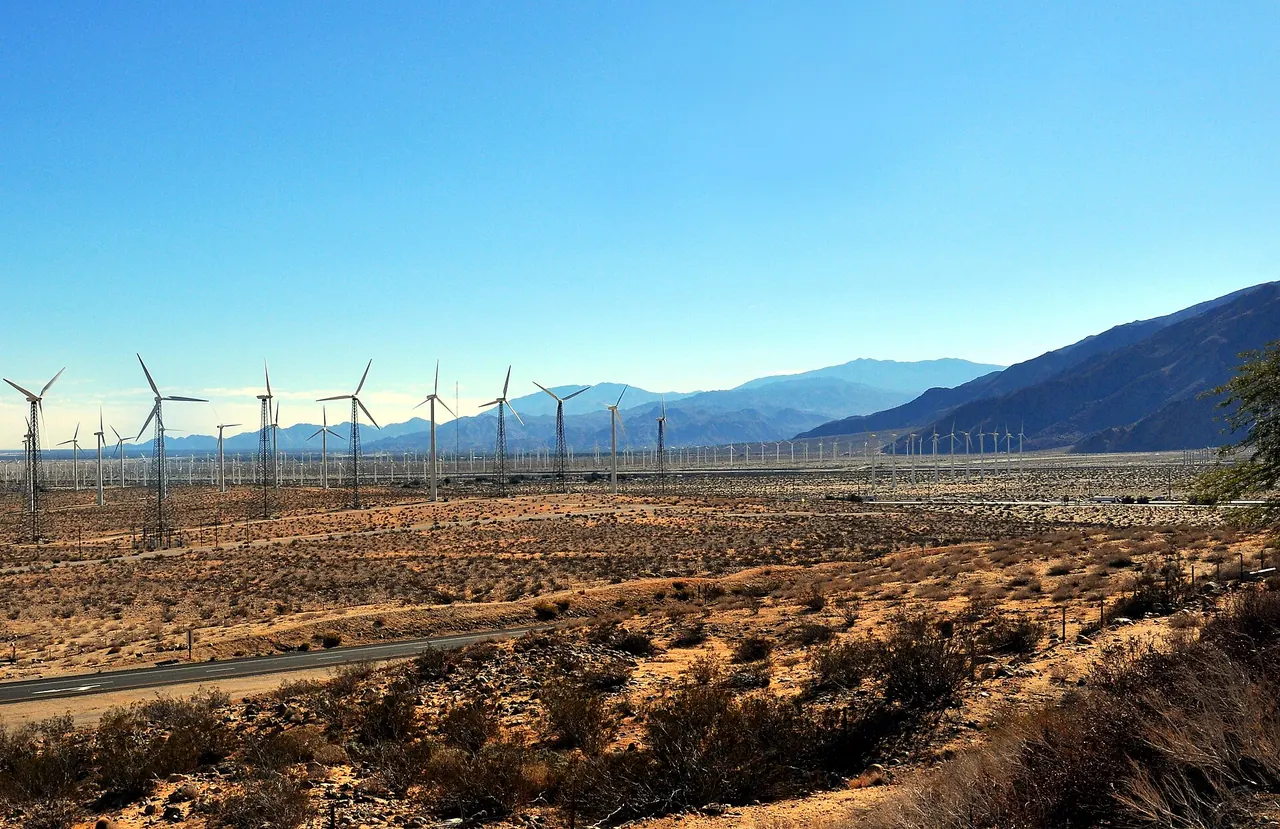
Alcazar reached financial close on the first phase of the Štip wind farm in North Macedonia, Windtech International reported on 14 September. Twenty-one turbines at 6.25 MW each, 131.25 MW in total, EUR 180 million of investment. Senior debt of roughly EUR 115 million came from the EBRD, the IFC and Erste Group Bank, with Sparkasse Bank AD Skopje supplying a separate local VAT facility. Revenue rests on a long-term offtake agreement with an investment-grade international corporation that the announcement does not name. The plant will run without government offtake support. Phase one is the first of three in a cluster planned at up to 396 MW across Štip, Radoviš and Karbinci.
Why it matters
Two development finance institutions and a commercial bank underwrote senior debt against a corporate offtaker rather than a sovereign-backed tariff. We read this as the structure that financed much of European onshore wind, and Alcazar has now executed it.
What it means for MENA
The wind offtakers we write about here are mostly state entities. Alcazar has now signed the other kind of contract, and its credit team holds a live comparison between a ministry’s covenant and a corporation’s. In our read, what made Štip financeable was a private buyer willing to sign long term. Building a market that produces such buyers is slower work than building the turbines, and it decides who gets to be the counterparty on the next one.
Masdar and RWE agree to consider joint bids in German offshore wind auctions, above EUR 3 billion
A separate Masdar MoU with Luxcara covers storage and offshore wind, potentially above EUR 5 billion. Together they could open the way for more than EUR 8 billion of investment. 1 min read
Two agreements announced last week would take Masdar into German offshore wind at the auction stage.
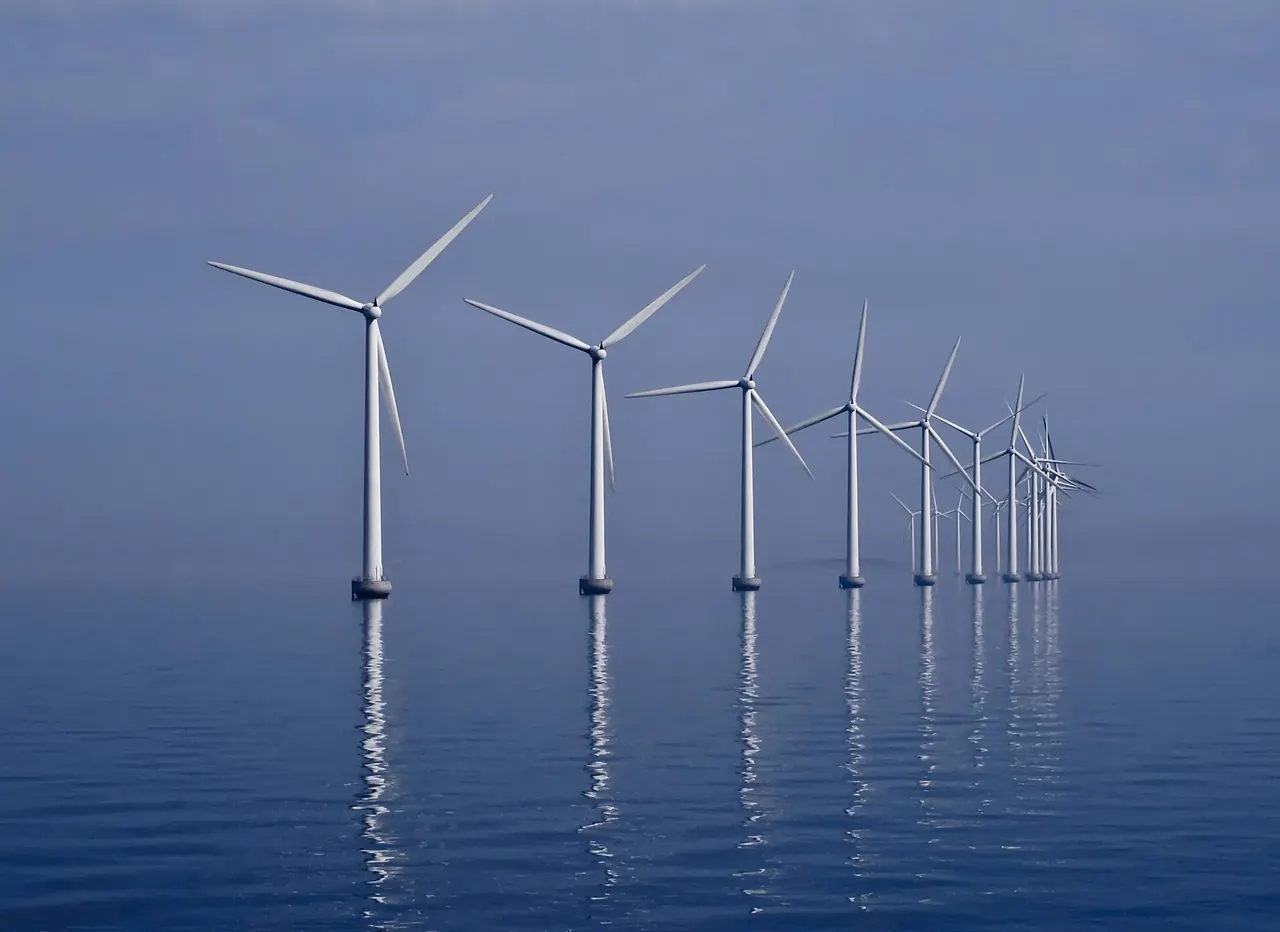
Masdar signed a memorandum of understanding with RWE to consider joint participation in future German offshore wind auctions, at an indicative investment value of more than EUR 3 billion. Reuters puts the auctions in question at Germany’s 2027 round. A separate MoU with Luxcara, a German energy infrastructure asset manager, covers battery storage, offshore wind and potentially other technologies across Germany and wider Europe, with a potential value above EUR 5 billion. Neither document commits either side to a project: one is an agreement to consider, the other to explore. Masdar and RWE already co-invest in the 630 MW London Array and are jointly advancing the 3 GW Dogger Bank South projects off northeast England.
Why it matters
Masdar says it has invested more than USD 13 billion in Europe and built a portfolio above 15.6 GW, and its first German project is the 476 MW Baltic Eagle, developed with Iberdrola and fully operational since 2025. Considering an auction is a different risk class from acquiring a finished asset. You take development, permitting and price risk before a single foundation exists.
What it means for MENA
An investor that has priced seabed risk in a European auction is a different counterparty to one that only buys operating megawatts. When MENA brings its own first offshore rounds to market, Masdar may already have sat on the bidder side of that process. In my view, that capability is worth more to this region than the euro figure attached to the headline.
Masdar buys brand-new wind in Spain as Alcazar takes on Egypt's older Gabal El-Zeit fleet
Masdar is taking 49.99% of a 705 MW Repsol portfolio valued at EUR 849 million, all online since 2025. Alcazar signed definitive agreements to acquire the 580 MW Gabal El-Zeit wind farm, with USD 420 million of external financing. 1 min read
Every turbine in the Spanish fleet Masdar just bought into started spinning in 2025 or later.
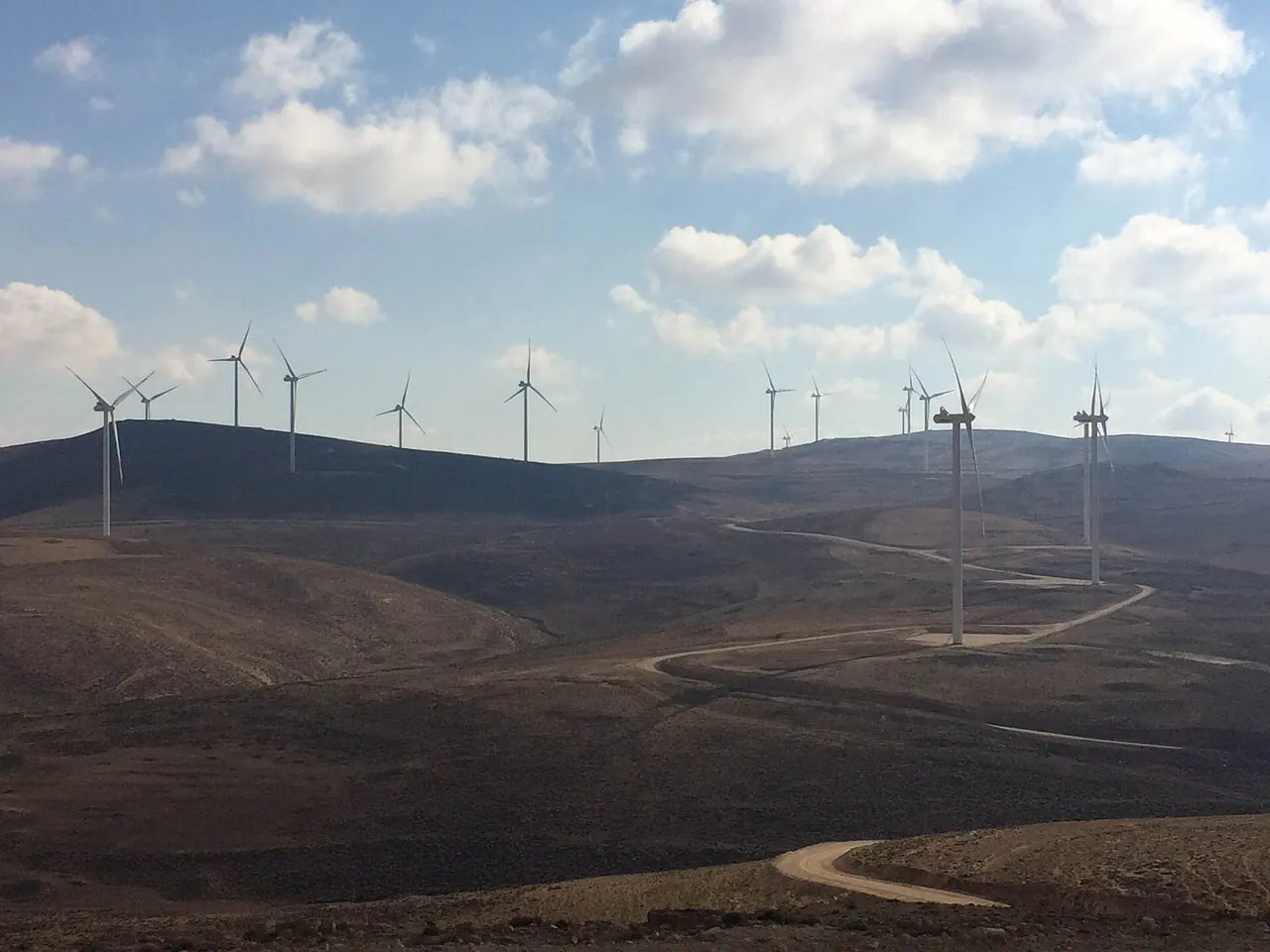
Repsol confirmed on 11 June that Masdar is taking a 49.99% stake in a 705 MW Spanish portfolio: 13 wind farms totalling 402 MW and six solar parks totalling 303 MW, all of which entered operation in 2025 or the first quarter of 2026. The transaction values the portfolio at EUR 849 million. Repsol calls it its eighth renewable asset rotation, 3,850 MW cumulative. Masdar’s own stated logic is to “add high-quality operating assets in key markets”. Once it closes toward the end of this year, Masdar holds 4.1 GW operating across the Iberian Peninsula.
Hold that against what another UAE-headquartered investor signed in Egypt the same week. Alcazar Energy Partners signed definitive agreements to acquire Egypt’s 580 MW Gabal El-Zeit, a Siemens Gamesa fleet grid-connected in 2018 and averaging eight to ten years of service, under a 25-year PPA with EETC and USD 420 million of external financing to extend the asset’s useful life.
Two deals, three days apart, opposite ends of the age curve. In Spain the buyer inherits a clean operating record and a merchant capture rate it has to forecast. In Egypt the buyer has to prove that a turbine at year eight still has seventeen good years left in it.
I think the Egyptian bet is the harder one, and it is the one the region needs to win.
So who is pricing year-twelve reliability better: the sponsor buying new abroad, or the sponsor underwriting old in the region?
Masdar turns 20 with a portfolio above 65 GW and a 100 GW target for 2030
Masdar's portfolio capacity now exceeds 65 GW. It plans USD 30 to 35 billion in new equity and project finance to reach 100 GW, adding about 10 GW a year. 1 min read
In 2006, investing in wind and solar was a contrarian bet. The UAE took it anyway.
Masdar, Abu Dhabi’s state-backed clean energy company, turned 20 on April 23, 2026. Founded by President Sheikh Mohamed bin Zayed Al Nahyan through Mubadala when renewables were still unproven at scale, Masdar has grown its portfolio to over 65 gigawatts. The company is targeting 100 GW by 2030, backed by a planned $30 to 35 billion in new equity and project finance, which works out to an average of 10 GW of new capacity a year.
“Masdar didn’t ride the clean energy wave. We helped create it,” said Sultan Ahmed Al Jaber, Masdar’s founding CEO. The portfolio includes the world’s first floating offshore wind farm (30 MW Hywind Scotland) and Central Asia’s largest wind farm (500 MW Zarafshan in Uzbekistan). With EWEC, Masdar is now developing what it calls the world’s first gigascale integrated renewable project in Abu Dhabi: 5.2 GW of solar paired with 19 GWh of battery storage delivering 1 GW of uninterrupted baseload power.
What to look for
Watch whether Masdar’s 100 GW target by 2030 delivers meaningful wind additions alongside its solar-heavy portfolio. This month Masdar signed a binding agreement for a $2.2 billion, 50/50 JV with TotalEnergies that merges their onshore renewables in nine Asian countries. We read that as a sign of where growth capital is flowing. The question for MENA: does Masdar’s own backyard keep pace with its global footprint?
What it means for MENA
Masdar’s story is the UAE’s story. It was built on a bet that energy wealth can be converted into energy leadership. Twenty years on, we think the bet has paid off at scale. The harder test for the region now is whether it can build the industries around clean energy as well as the plants.
If you work in MENA energy, what do you see as Masdar’s most underappreciated contribution over the past 20 years?