Morocco just hit a milestone the rest of the region should be studying closely.
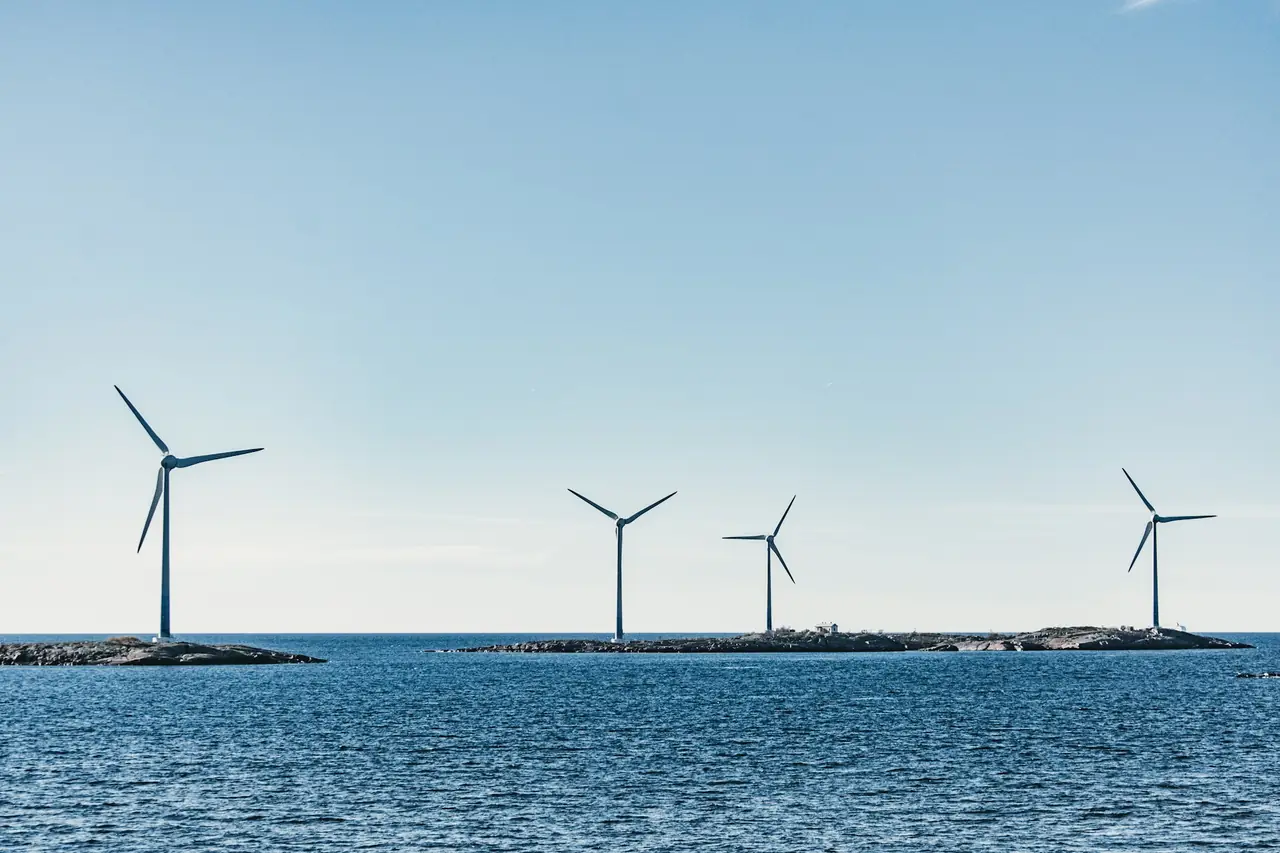
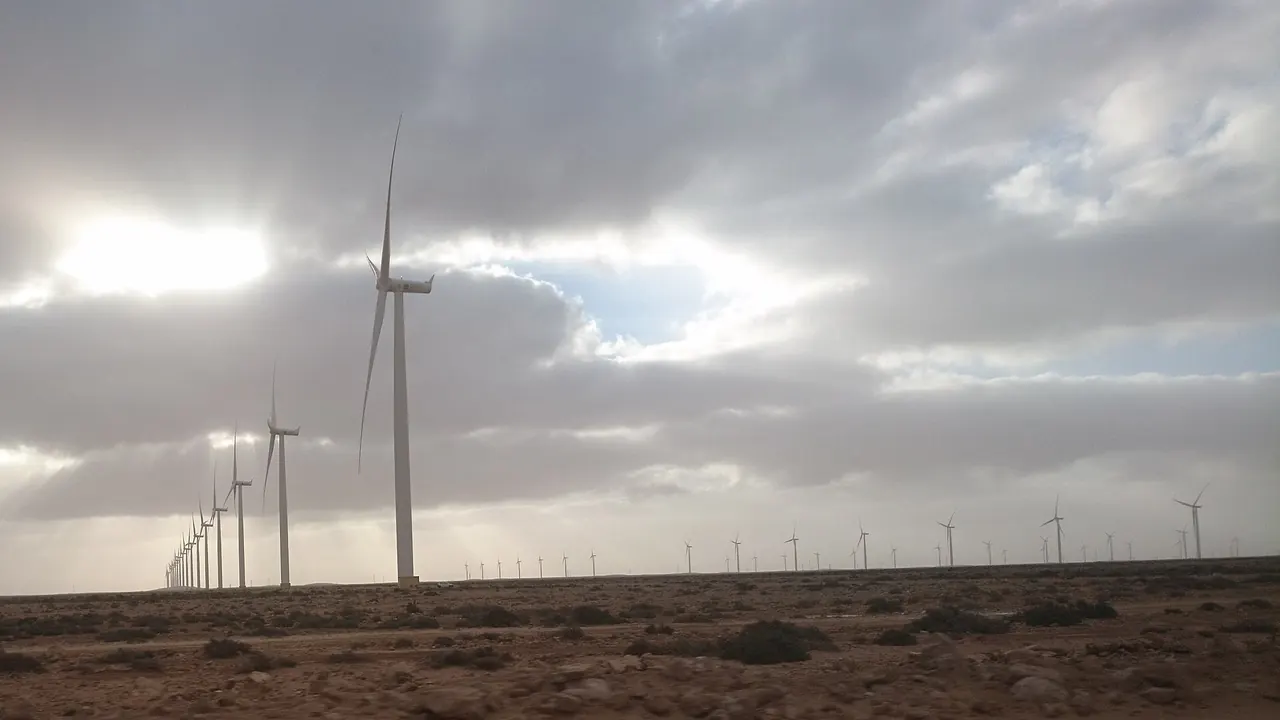
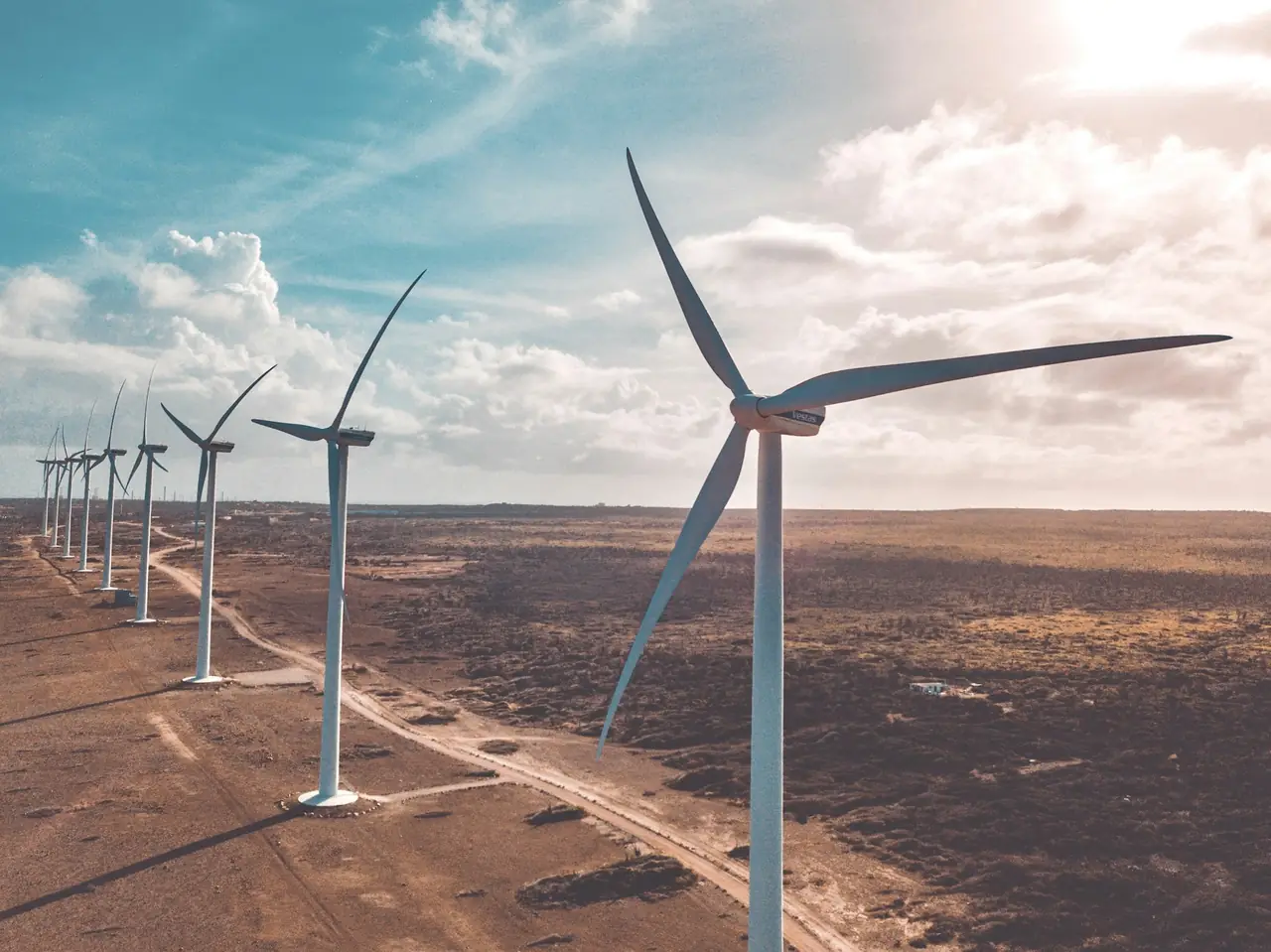
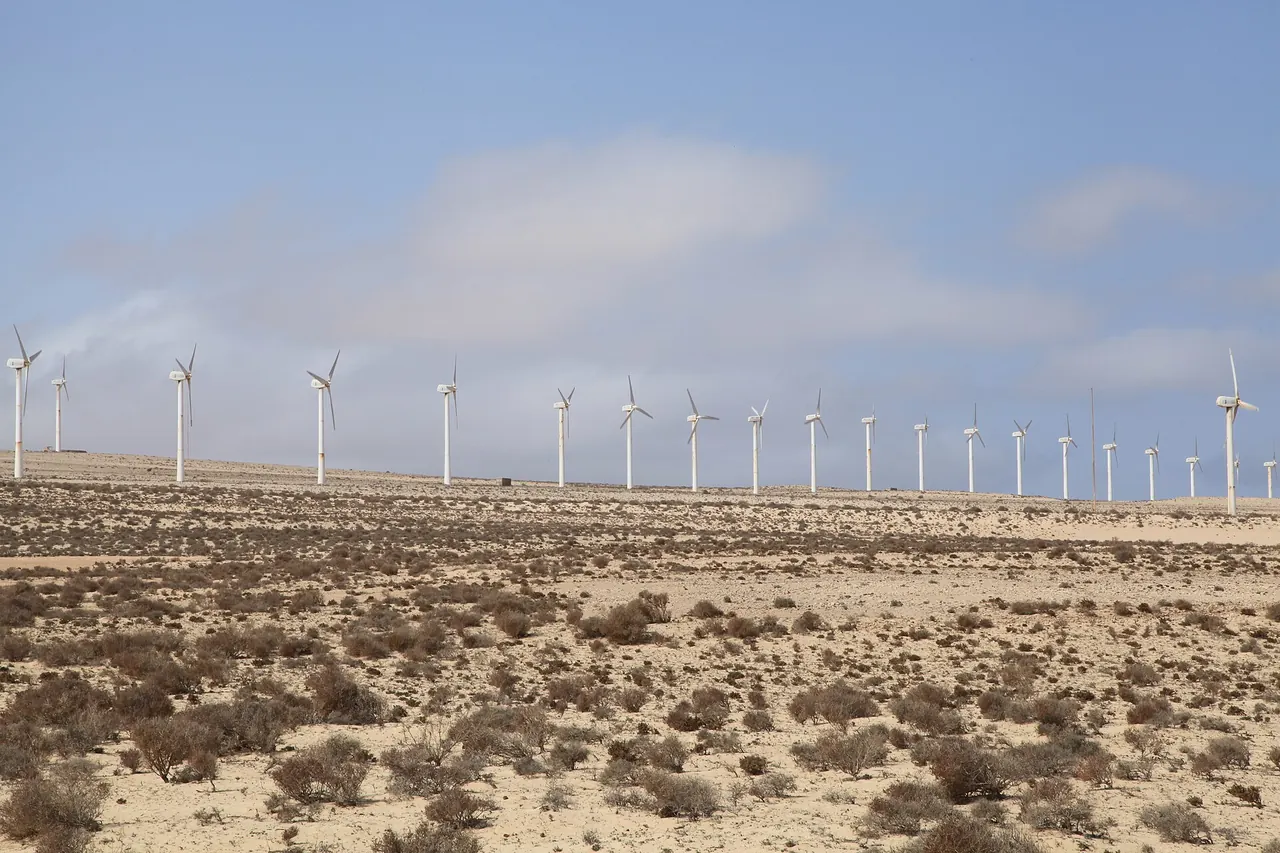
In 2024, wind power generated 9,363 GWh in Morocco, a 43% jump from the year before, covering 21% of the country’s total electricity demand. Wind is now the single largest source of renewable electricity in the kingdom, ahead of both hydro and solar. Two projects powered that leap: the 270 MW Jbel Lahdid farm near Essaouira and the 100 MW repowering of Koudia al Baida in Tetouan. Total installed wind capacity now sits at 2,390 MW, up 19% year-on-year, while renewables as a whole cover 45% of Morocco’s electricity mix.
What to look for
MASEN approved a new 1.7 GW renewable program in December 2025, set to launch in 2026. Wind takes a substantial share of that pipeline, building on the Nassim Nord tender (400 MW across two northern farms) and additional IPP rounds. Morocco aims to cross 52% renewables in its electricity mix by 2030, and at the current pace we think it gets there.
What it means for MENA
Morocco is delivering its energy transition in commissioned megawatts. It is already past 2 GW installed and generating electricity at meaningful scale from wind. My read is that the model works: competitive IPP structures, strong Atlantic and Mediterranean wind corridors, and a state agency in MASEN that has moved from target-setting to commissioning. For developers and financiers across the region, we see Morocco as the clearest proof of what MENA wind can achieve when policy and procurement line up.
The Atlantic wind keeps blowing, and Morocco keeps building.