
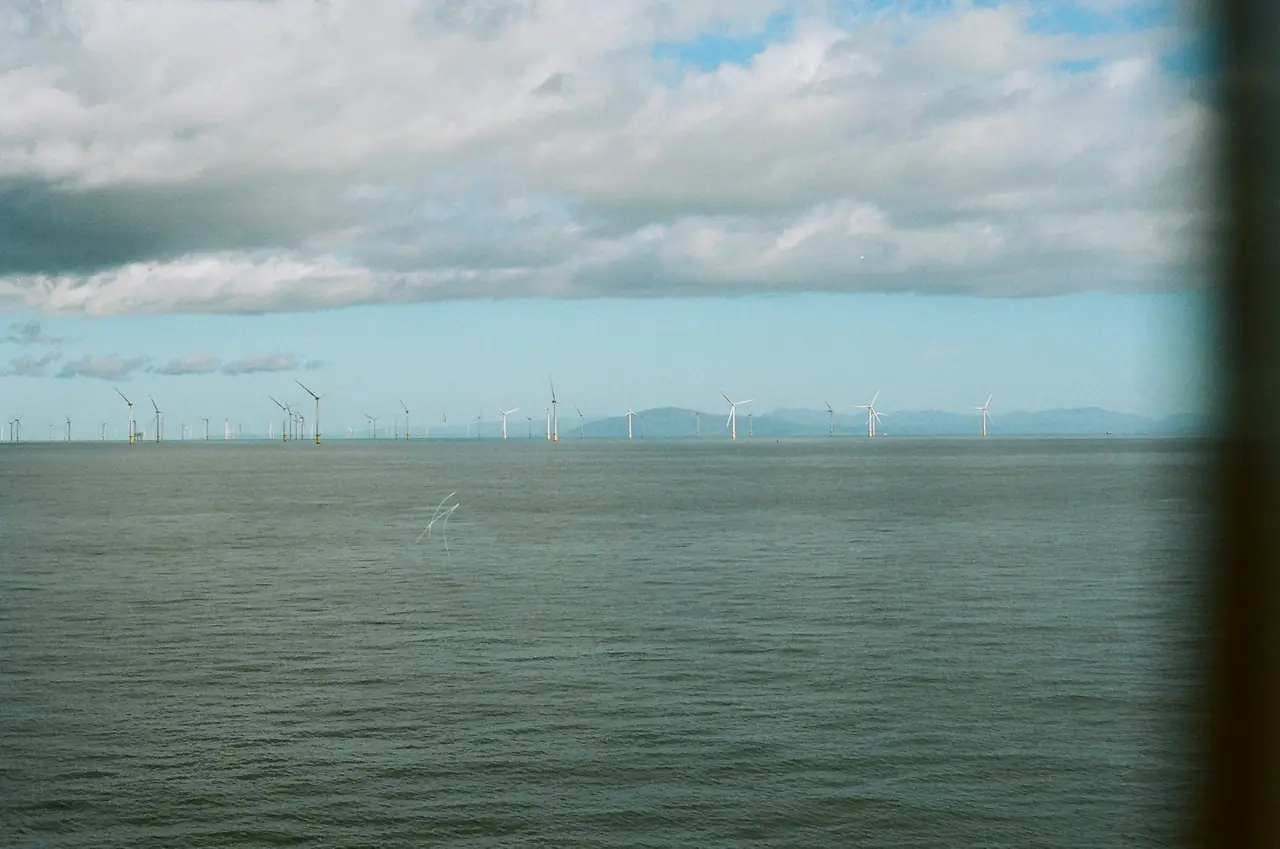
Installed capacity, pipeline and named projects will appear here, each figure linked to its source.
Coverage
Four years after the grant, the EIB awards a EUR 1.99 million feasibility contract for Morocco's offshore wind
The EIB contract for studies on a planned 1 GW project off Essaouira runs for up to 43 months, while construction is targeted to start in 2029. 1 min read
Four years. That is how long it took to turn an EIB offshore wind grant for Morocco into a consultant contract.
In September 2022 the EIB and Masen, Morocco’s sustainable energy agency, signed a cooperation agreement with a EUR 2 million grant for an offshore wind feasibility study off Essaouira. MEED reported on 3 September that the EIB has now awarded a EUR 1.99 million contract for the feasibility and environmental studies on a planned 1 GW project. Eleven firms bid. Ten were registered in the European Economic Area and one outside it.
Now read the contract terms. It runs for a maximum of 43 months including possible extensions, and construction is targeted to start in 2029. Count 43 months from an award reported in early September 2026 and the window closes in spring 2030. The source does not state the contract start date, so I read this as an open question.
My prediction: the 2029 date moves. The studies can finish early, but I would not plan a supply chain around that. My view is that a 1 GW offshore project that rushes its environmental assessment pays for it later.
It took four years to buy the question.
Which comes first off Essaouira: the study results or the construction date?
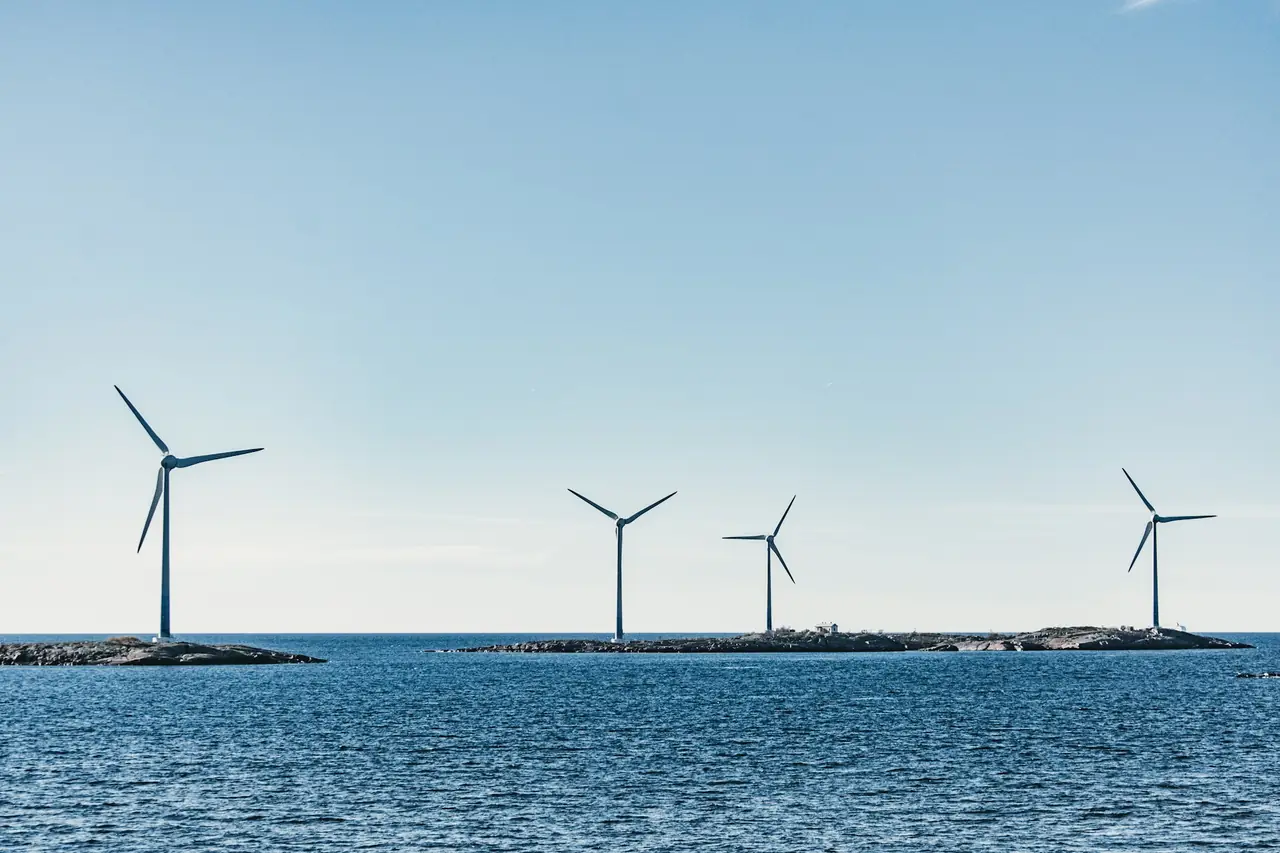
EIB appoints OWC-led consortium for feasibility study on Morocco's first offshore wind farm
The two-year study, endorsed by MASEN, targets the Atlantic coast near Essaouira and covers site selection, a met campaign, ports, grid integration and permitting. 2 min read
Morocco has picked the coast, the gigawatt figure and the construction year for its first offshore wind farm, and last week the European Investment Bank appointed the consortium that will work out whether the thing can actually be built.
The EIB picked the consultancy OWC to lead a full feasibility study for the project, which MASEN has endorsed and which targets the Atlantic coast near Essaouira. Joining OWC are PHENIXA and SOFECO, both part of Ginger Group, alongside Gaïa Terre Bleue and NOVEC, with ABL covering marine work, ports and harbours. EIB is funding the two-year study through the Facility for Euro-Mediterranean Investment and Partnership Trust Fund. The scope covers site selection, a meteorological measurement campaign, concept design, ports and logistics, the regulatory framework, grid impact and integration alongside Moroccan grid specialists, and the environmental and social impact assessment. EIB and MASEN signed a cooperation agreement on offshore wind in September 2022 with a EUR 2 million grant, and the technical-assistance tender that followed was cancelled in July 2024 before being relaunched.
Why it matters
Read that scope list again. Site data, port capacity, grid rules, permitting law. We would argue every offshore market needs those four before its first auction can clear, and they take years to produce because they cannot be imported from someone else’s coastline. World Bank Group estimates put Morocco’s technical offshore potential at roughly 200 GW, about 22 GW of it suitable for fixed-bottom and 178 GW for floating. Potential is the cheap part.
What it means for MENA
The regional offshore conversation trades in gigawatt figures and end-of-decade dates, and this award is a reminder that four years separated the 2022 EIB-MASEN agreement from the study that starts the real clock. Morocco is buying the unglamorous layer first. A met campaign, a grid study, a legal framework. Plans had advanced to a proposed 1 GW project near Essaouira with construction targeted to start by 2029, per the Union for the Mediterranean as of June 2025. My read: whoever eventually bids that gigawatt will price it off data this consortium is now being paid to collect, which makes the met campaign more worth watching than the tariff talk.
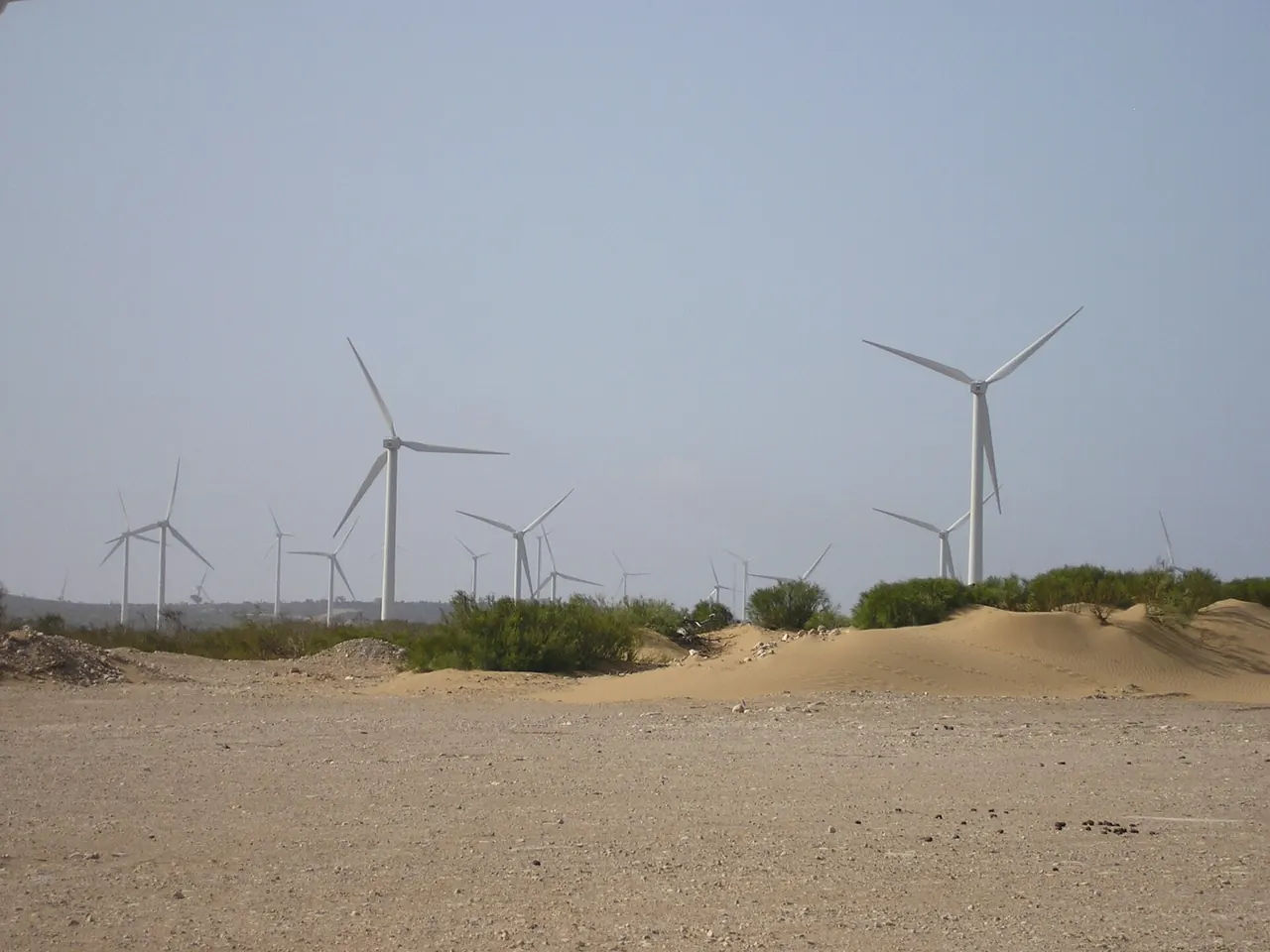
Morocco's wind output rose 43% in 2024 on 18.5% more capacity, ANRE data shows
Installed wind reached 2,390 MW at end-2024 and generation 9,363 GWh, 21% of Moroccan electricity. IPPs took 47% of wind output and private operators 43%. 1 min read
Morocco’s wind fleet grew 18.5% in 2024. Its wind output grew 43%.
Two projects account for most of the new capacity: Jbel Lahdid, 270 MW near Essaouira under an IPP contract with ONEE, and the 100 MW repowering of Koudia al Baida in Tetouan, delivered with MASEN. That took installed wind to 2,390 MW at the end of 2024, or 20% of the country’s total generating capacity. Generation reached 9,363 GWh, up 43% on 2023, covering 21% of all Moroccan electricity and 80% of renewable output. The figures come from ANRE, Morocco’s electricity regulator, in its latest annual report. In June 2026 ACWA Power Maroc received approval to add 40 MW at Khalladi near Tangier, taking that site from 120 MW to 160 MW; the existing 40 turbines there produce roughly 397 GWh a year.
Why it matters
Capacity gets announced, generation gets paid. When a fleet’s output climbs at more than double the rate of its capacity, the newest machines are doing disproportionate work, whether through siting and rotor size or a strong wind year. Every market with a 2030 renewables target is making capacity promises. Morocco’s regulator publishes the generation side against them at national scale.
What it means for MENA
Look at who sells the electricity. ANRE puts 47% of 2024 wind output with independent power producers and 43% with private operators in the liberalised market. Roughly nine tenths of Moroccan wind generation moved under a private contract. My read is that Morocco’s target of more than 52% renewables by 2030 rests as much on that market structure as on the next tender round. And the Koudia al Baida 100 MW arrived by repowering ground that was already producing, which I read as how a mature fleet keeps growing after the easy sites are taken.
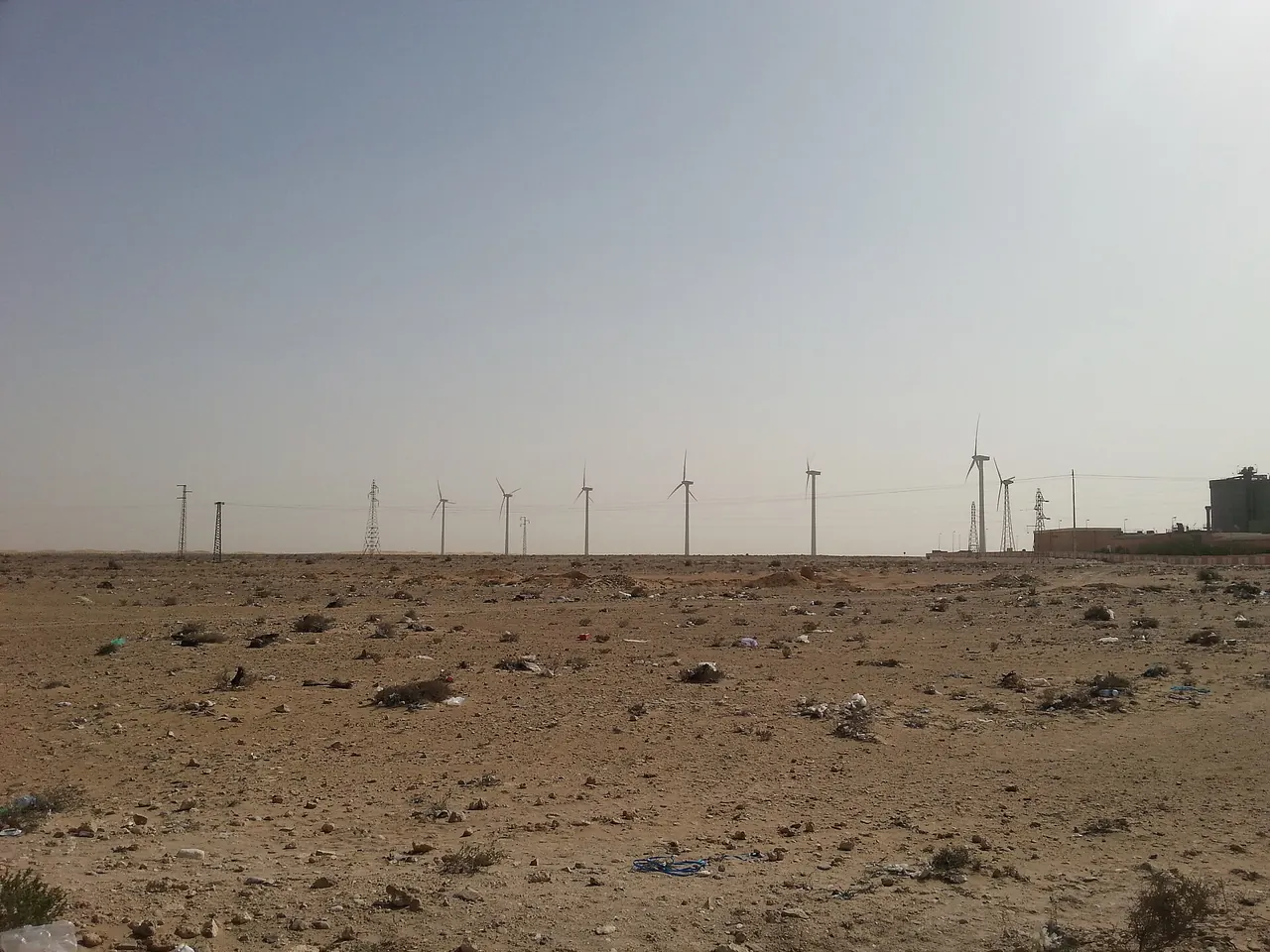
ACWA Power's 40 MW Khalladi expansion is Morocco building on what already works
ACWA Power has a permit to lift Khalladi in northern Morocco from 120 to 160 MW for about MAD 550 million, with completion expected within two years. 1 min read
One of MENA’s quieter wind moves this month measures 40 megawatts, and I think it may be the smartest one in the region.
ACWA Power has secured a permit to lift its Khalladi wind plant in northern Morocco from 120 to 160 megawatts, an investment of about MAD 550 million (roughly $60 million), expected to be completed within two years to help meet growing industrial demand. Khalladi has run since 2018. Expanding an operating site means the grid link, the wind data and the access roads already exist. My read is that these are among the cheapest megawatts Morocco can build right now.
The permit adds to a bigger Moroccan book for ACWA: AGBI, citing Asharq Business, puts its investments in the country at $3 billion, and the company also plans to enter desalination there. I read this as a playbook: expand what already works before reaching for the next greenfield. Small moves, stacked, can beat one big leap that stalls at financial close.
When the 2027 additions are tallied, will Morocco’s quiet compounding outpace the region’s gigawatt flagships?
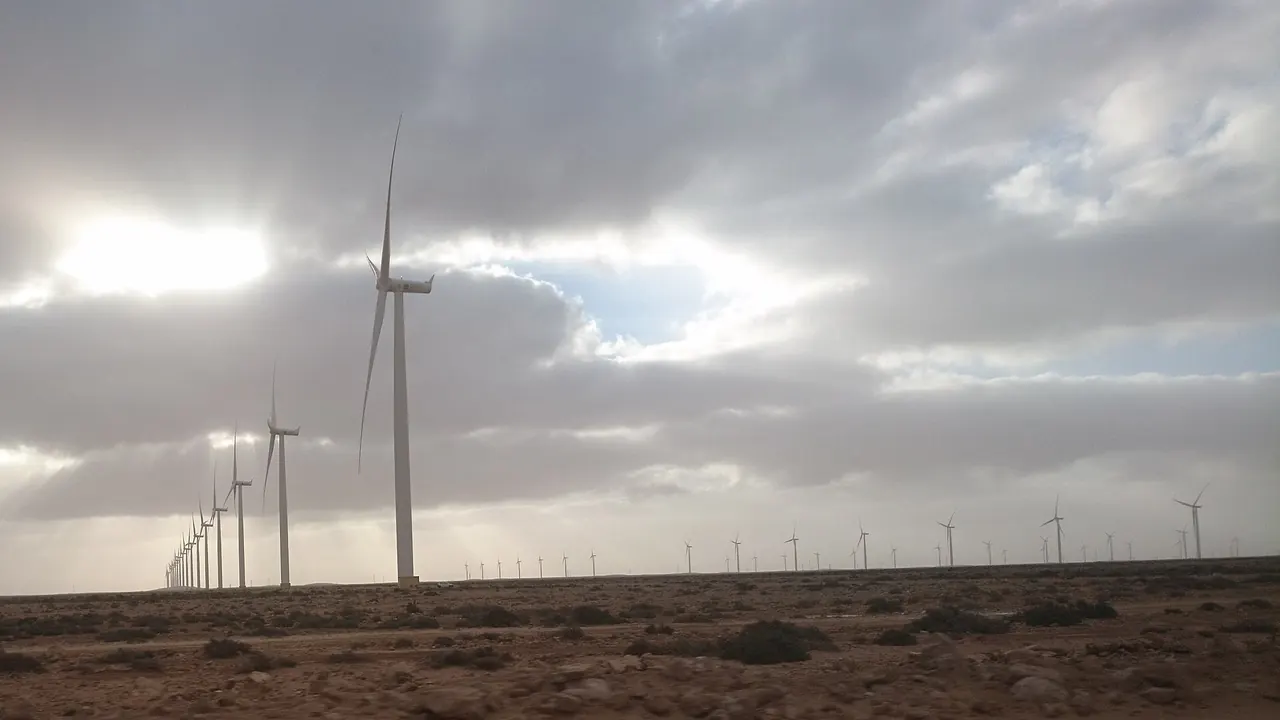
Acwa Power wins approval to expand Morocco's Khalladi wind farm from 120 MW to 160 MW
The 40 MW extension is estimated to cost MAD 550 million ($60 million), with completion targeted inside two years. 1 min read
Acwa Power just won approval to add 40 MW to Morocco’s Khalladi wind farm, lifting installed capacity from 120 MW to 160 MW.
The Saudi-listed developer secured a new permit at an estimated cost of MAD 550 million ($60 million), with completion targeted inside two years. Khalladi began operations in the north of the country in 2018. Acwa Power’s broader Moroccan footprint includes a first-wave green hydrogen selection in March and planned entry into seawater desalination. Acwa’s total Moroccan investments stand at around $3 billion, according to the Asharq Business report AGBI cites.
Why it matters
A brownfield extension builds on an existing grid connection and eight years of measured wind data. We read it as the cheaper route to add wind in markets where transmission is the binding constraint.
What it means for MENA
We read Khalladi as a sign that operating MENA wind assets are becoming an asset class in their own right.
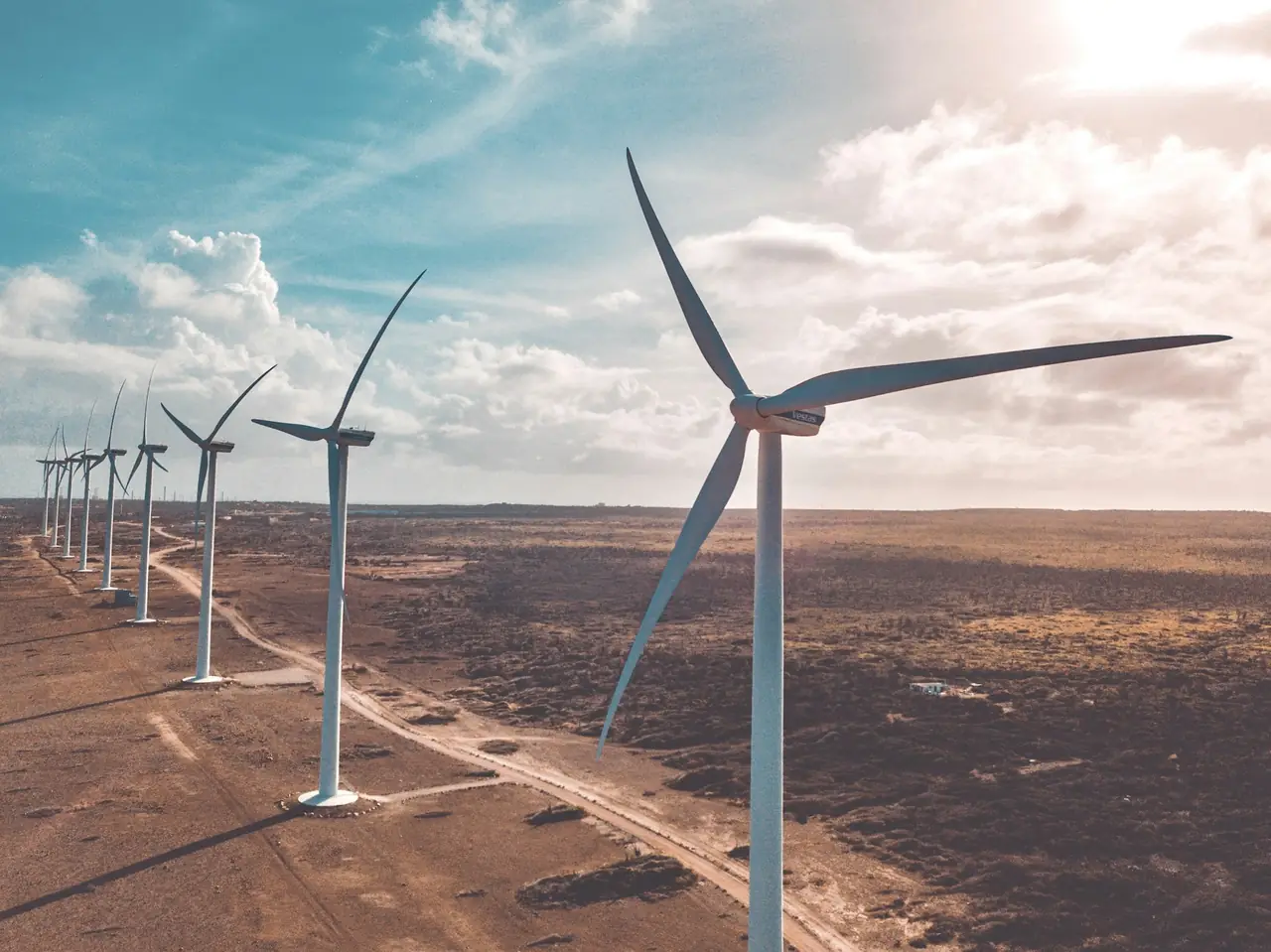
Morocco's ONEE sets out a 3,500 MW storage roadmap to 2030
The plan pairs storage with 4,500 MW of flexible gas capacity and 6,000 km of new very high voltage lines, inside a programme of more than MAD 180 billion to 2030. 1 min read
Morocco is putting around 18 billion dollars behind storage, flexible gas and transmission by 2030.
At an end of April gathering in Marrakech, the National Office of Electricity and Drinking Water (ONEE) laid out a plan to keep its rapidly rising renewable share, currently around 47 percent of the electricity mix, on the grid without destabilising it. The headline number is more than 3,500 MW of storage capacity by 2030. Alongside it come 4,500 MW of flexible gas-fired capacity that can start quickly when renewable output drops, and 6,000 km of new very high voltage lines to carry power from remote production sites to the main consumption centres. The whole package belongs to an investment programme of more than MAD 180 billion, around 18 billion dollars, by 2030.
What to look for
The plan sets targets but no tender calendar, so ONEE’s procurement schedule is the tell. I will be watching for the first storage tender: its size, its sites and its bidder list. The 4,500 MW of gas is the other half of the story. Morocco is firming its renewables with fuel as well as batteries, and my read is that the split between the two will decide how much of the flexibility bill wind developers end up carrying.
What it means for MENA
We read this as a strong signal that the next wave of MENA wind investment will be priced as wind plus storage. The cheapest wind hours only matter if the grid can hold them until the load needs them, and Morocco is now budgeting for that at national scale.
If you are mapping MENA wind opportunities for the next twenty four months, draw the storage layer first and the wind layer on top. Where do you see the firming bottleneck biting hardest, Algeria, Tunisia, or further east?
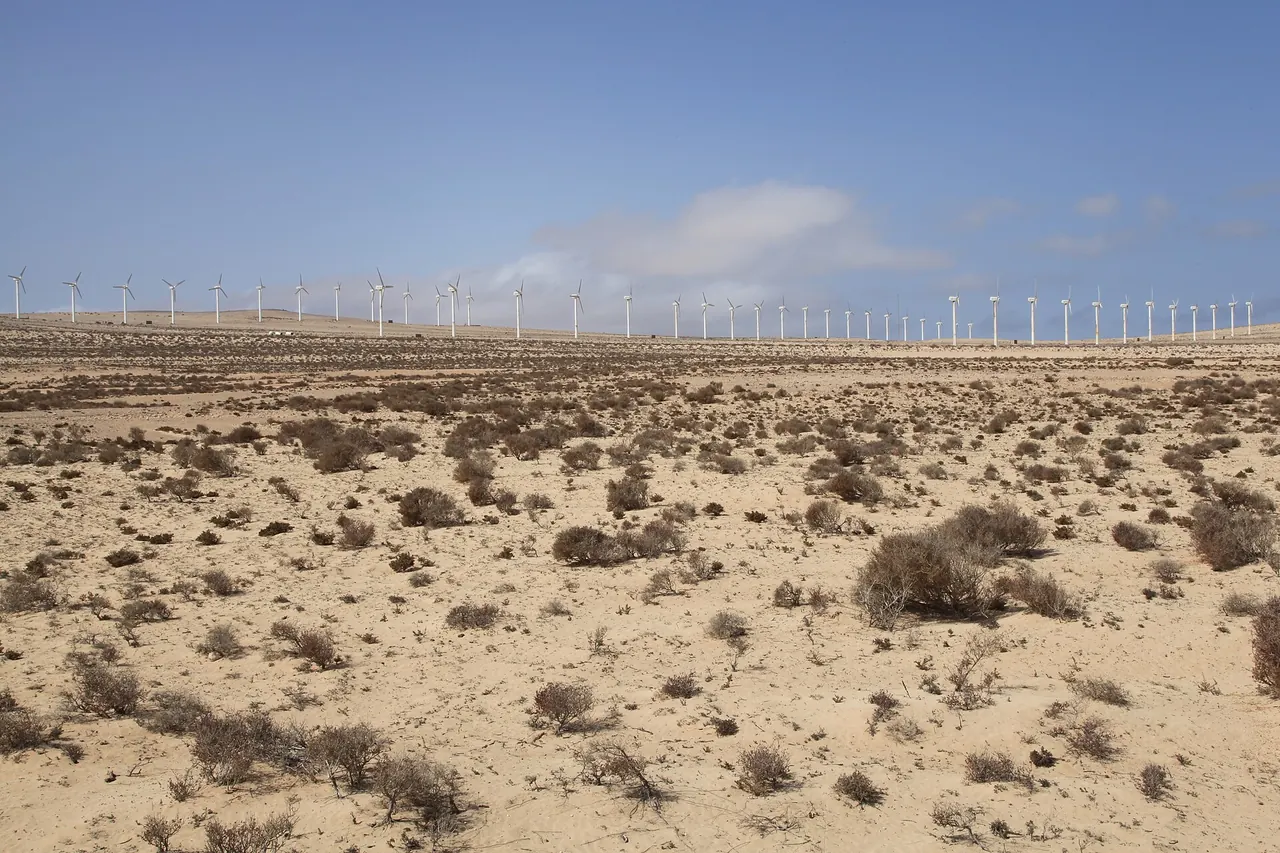
Morocco's installed wind capacity reached 2.63 GW at the end of 2025, up from 2.37 GW
An Attaqa.net report puts renewables above 46 percent of Morocco's electricity generation, against a 52 percent target for 2030. Wind is now the second largest source of electricity after coal. 1 min read
Morocco just quietly became Africa’s second fastest growing wind market, and the numbers tell you why.
By the end of 2025, Morocco’s installed wind capacity reached 2.63 GW, up from 2.37 GW a year earlier, according to a new report from US based energy platform Attaqa.net. Renewables now account for more than 46 percent of Morocco’s total electricity generation, putting the country within striking distance of its 52 percent target for 2030. Wind alone makes up more than half of that renewable mix, which means wind is now the second largest source of electricity in the entire country, sitting just behind coal. Between 2021 and 2025, Morocco added roughly 1.36 GW of wind, carried by projects like the 270 MW Jbel Lahdid farm and the modernization of the historic Koudia Al Baida site in the north.
What to look for
The pace of growth here is steady rather than flashy, and I think that matters more. Consistent yearly buildout is what investors price. Morocco is also studying offshore wind near Essaouira, which could add ocean scale capacity on top of its onshore base.
What it means for MENA
My read is that Morocco is proving a model the wider region can actually copy. The investor signal is clear when a country gets within six points of its 2030 target five years early. For Gulf and North African markets building wind pipelines right now, we see Morocco’s execution as the reference case.
Clean power in MENA is a scoreboard now, and Morocco just moved up a slot. Who climbs next?
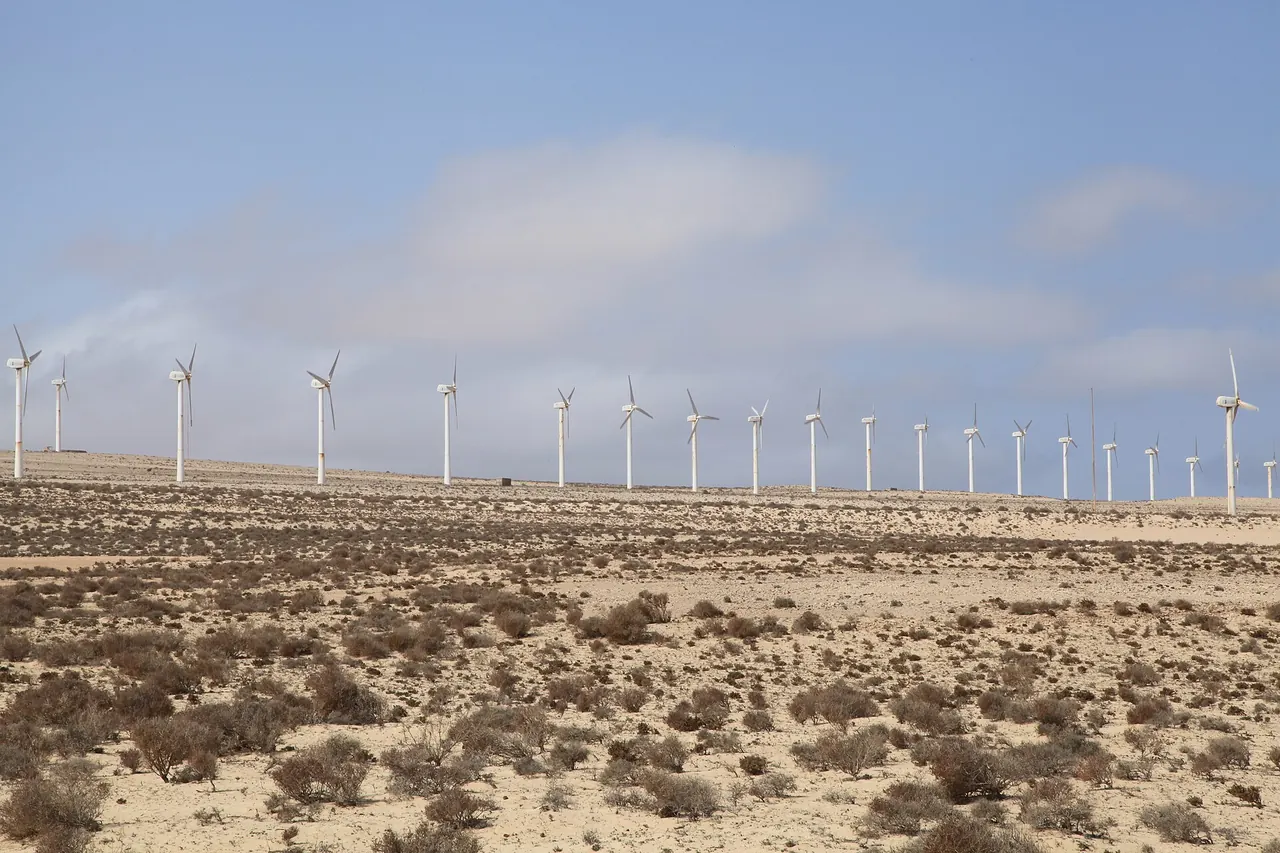
Wind covered 21% of Morocco's electricity demand in 2024 as output rose 43% to 9,363 GWh
Installed wind capacity reached 2,390 MW, up 19% year on year, and wind is now Morocco's largest renewable source. MASEN approved a 1.7 GW renewable programme set to launch in 2026. 1 min read
Morocco just hit a milestone the rest of the region should be studying closely.
In 2024, wind power generated 9,363 GWh in Morocco, a 43% jump from the year before, covering 21% of the country’s total electricity demand. Wind is now the single largest source of renewable electricity in the kingdom, ahead of both hydro and solar. Two projects powered that leap: the 270 MW Jbel Lahdid farm near Essaouira and the 100 MW repowering of Koudia al Baida in Tetouan. Total installed wind capacity now sits at 2,390 MW, up 19% year-on-year, while renewables as a whole cover 45% of Morocco’s electricity mix.
What to look for
MASEN approved a new 1.7 GW renewable program in December 2025, set to launch in 2026. Wind takes a substantial share of that pipeline, building on the Nassim Nord tender (400 MW across two northern farms) and additional IPP rounds. Morocco aims to cross 52% renewables in its electricity mix by 2030, and at the current pace we think it gets there.
What it means for MENA
Morocco is delivering its energy transition in commissioned megawatts. It is already past 2 GW installed and generating electricity at meaningful scale from wind. My read is that the model works: competitive IPP structures, strong Atlantic and Mediterranean wind corridors, and a state agency in MASEN that has moved from target-setting to commissioning. For developers and financiers across the region, we see Morocco as the clearest proof of what MENA wind can achieve when policy and procurement line up.
The Atlantic wind keeps blowing, and Morocco keeps building.