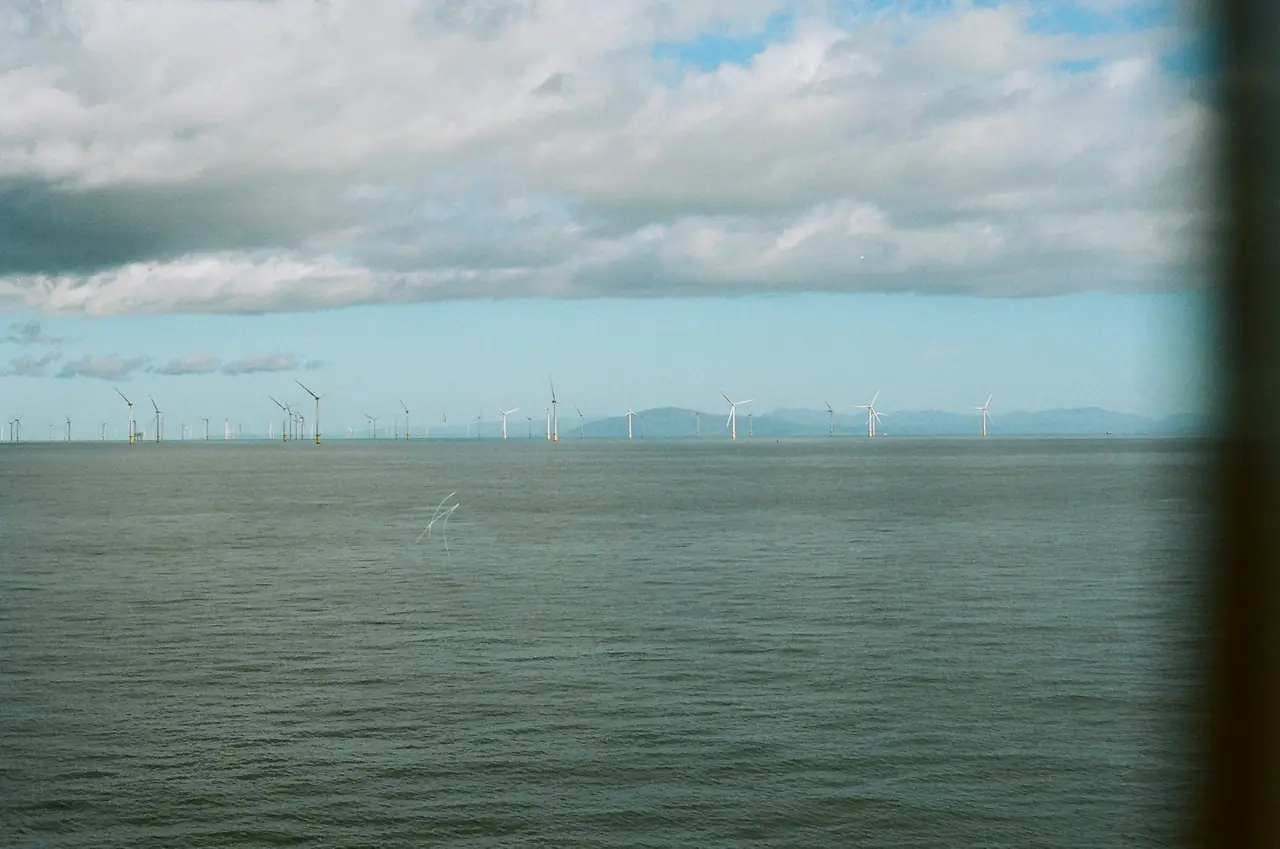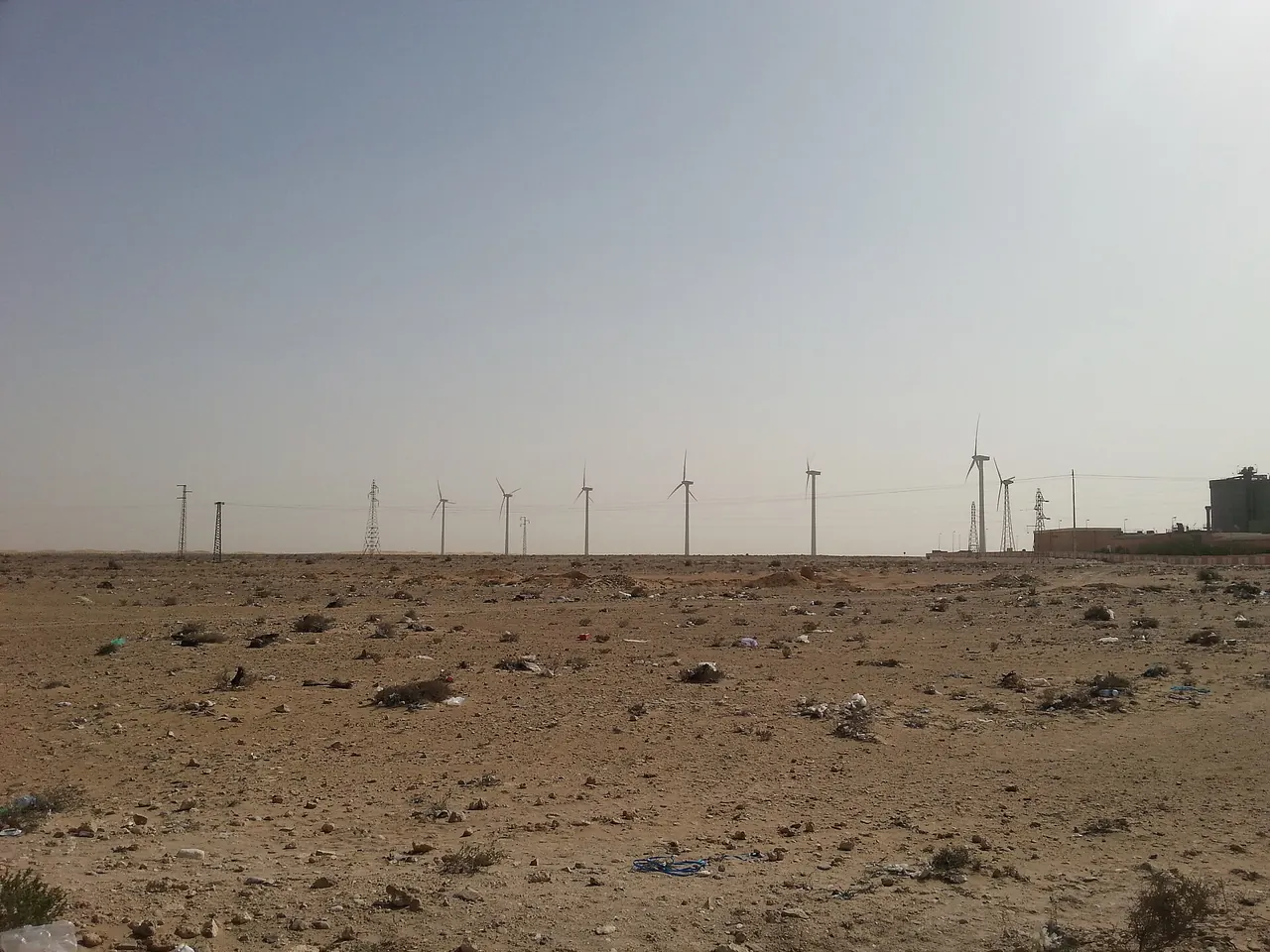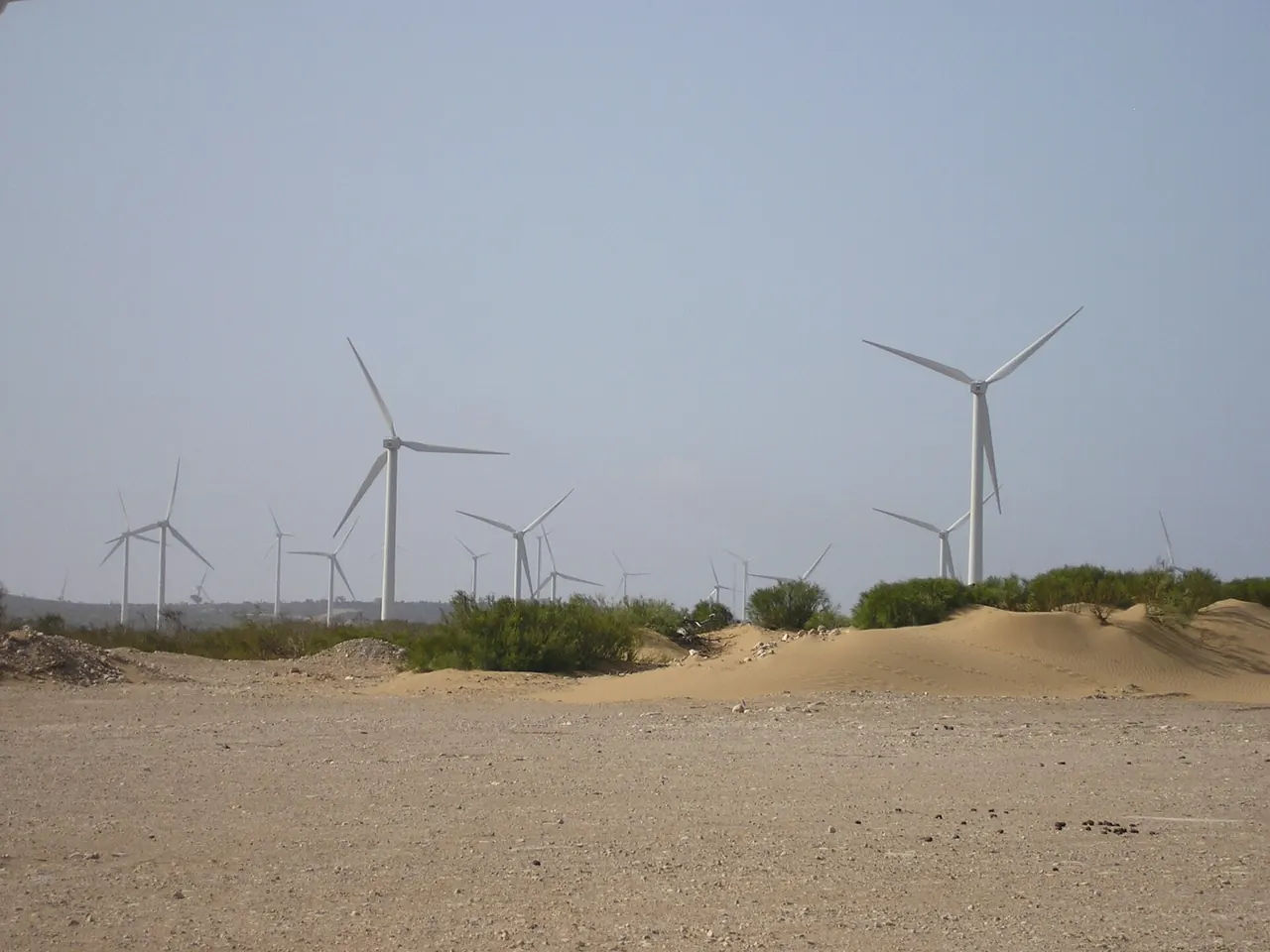
Morocco’s wind fleet grew 18.5% in 2024. Its wind output grew 43%.
Two projects account for most of the new capacity: Jbel Lahdid, 270 MW near Essaouira under an IPP contract with ONEE, and the 100 MW repowering of Koudia al Baida in Tetouan, delivered with MASEN. That took installed wind to 2,390 MW at the end of 2024, or 20% of the country’s total generating capacity. Generation reached 9,363 GWh, up 43% on 2023, covering 21% of all Moroccan electricity and 80% of renewable output. The figures come from ANRE, Morocco’s electricity regulator, in its latest annual report. In June 2026 ACWA Power Maroc received approval to add 40 MW at Khalladi near Tangier, taking that site from 120 MW to 160 MW; the existing 40 turbines there produce roughly 397 GWh a year.
Why it matters
Capacity gets announced, generation gets paid. When a fleet’s output climbs at more than double the rate of its capacity, the newest machines are doing disproportionate work, whether through siting and rotor size or a strong wind year. Every market with a 2030 renewables target is making capacity promises. Morocco’s regulator publishes the generation side against them at national scale.
What it means for MENA
Look at who sells the electricity. ANRE puts 47% of 2024 wind output with independent power producers and 43% with private operators in the liberalised market. Roughly nine tenths of Moroccan wind generation moved under a private contract. My read is that Morocco’s target of more than 52% renewables by 2030 rests as much on that market structure as on the next tender round. And the Koudia al Baida 100 MW arrived by repowering ground that was already producing, which I read as how a mature fleet keeps growing after the easy sites are taken.