A 125 GW power system has declared an entire calendar year the year of wind.
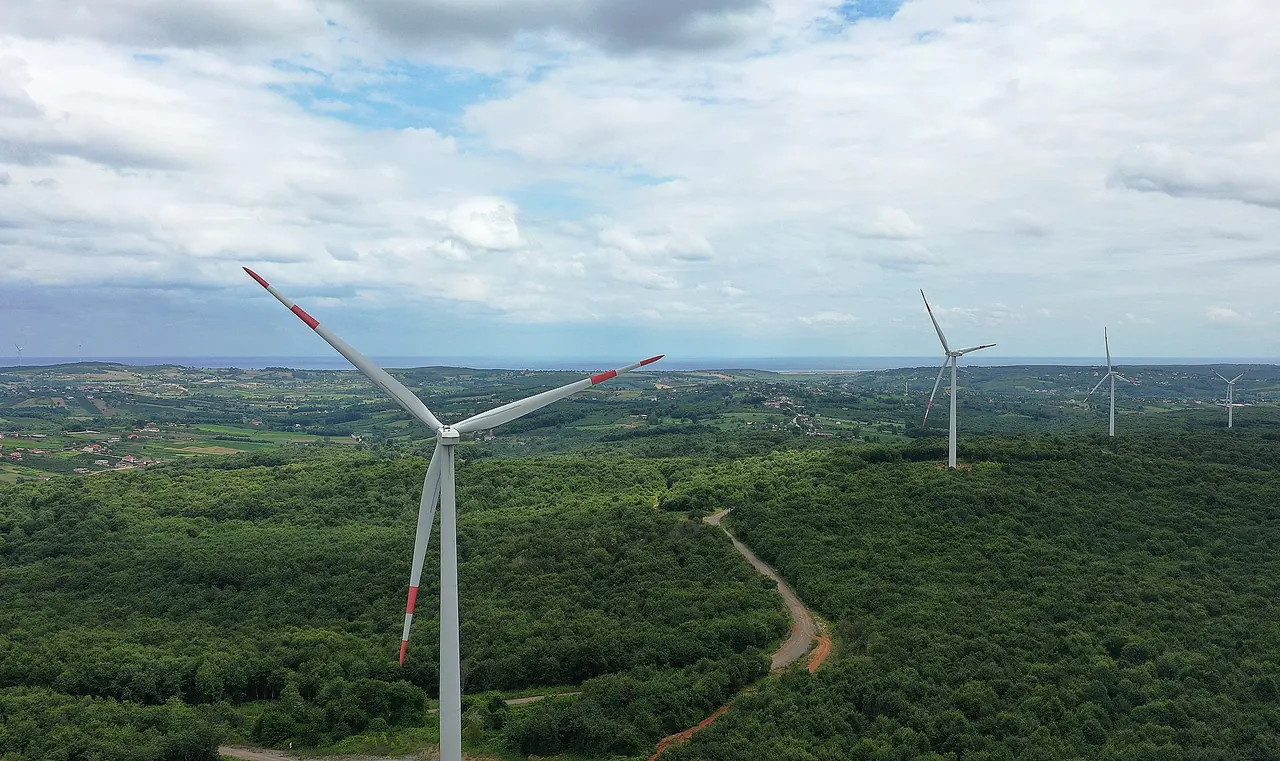
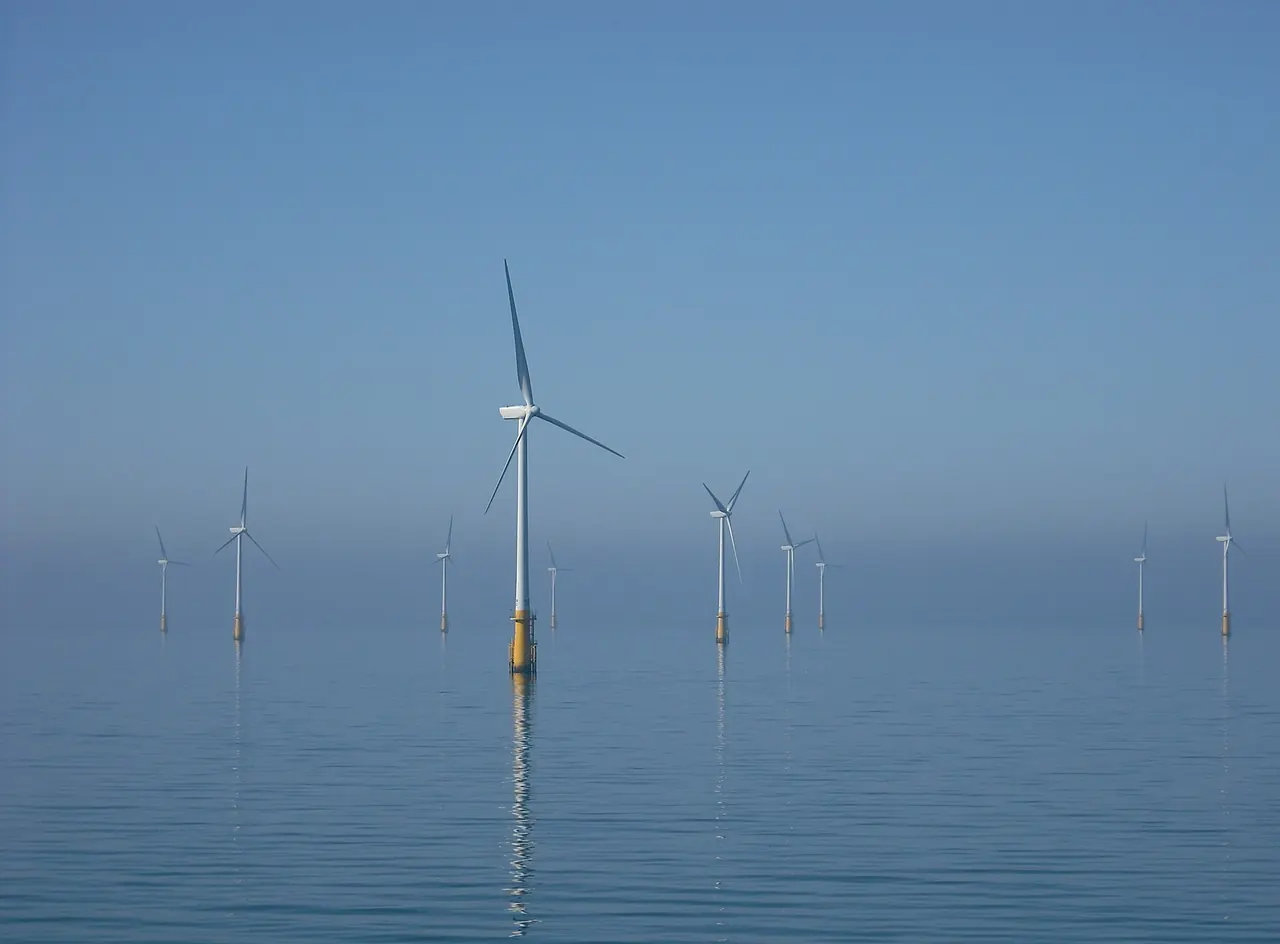
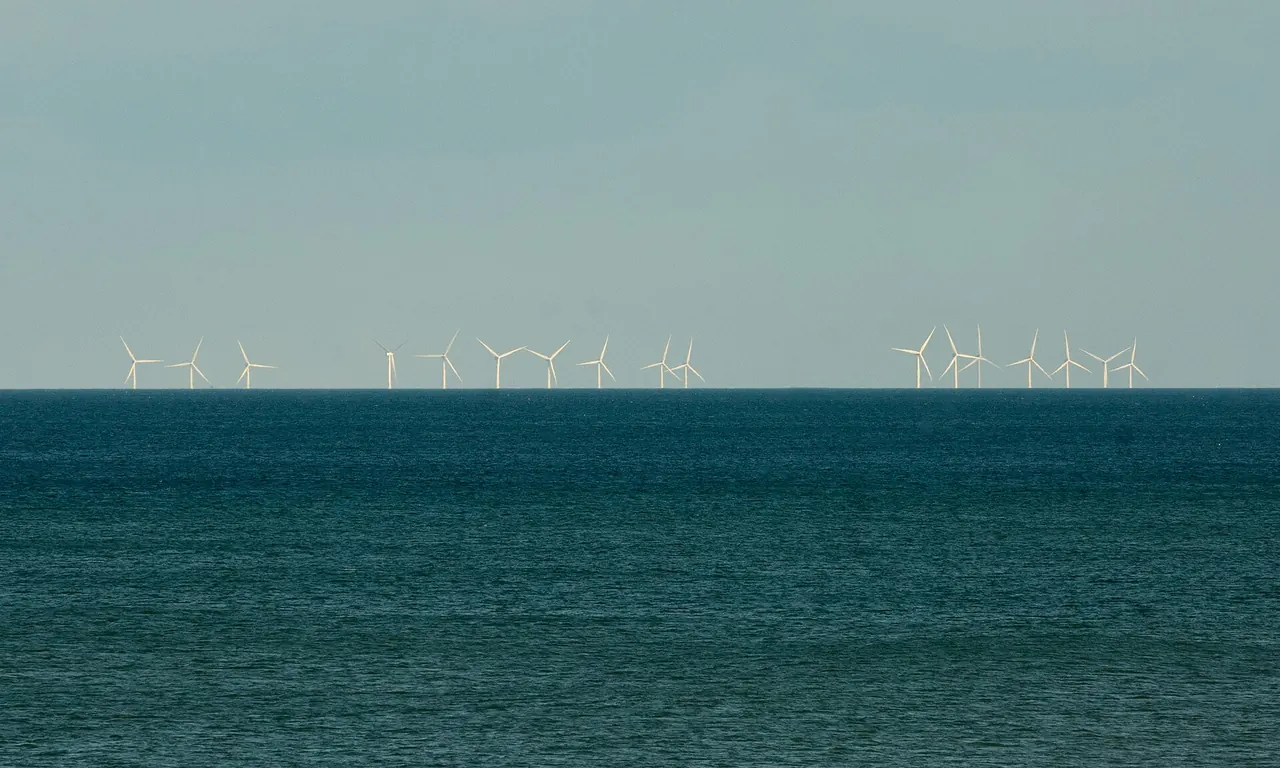
Türkiye’s Energy Minister Alparslan Bayraktar dubbed 2026 the year of wind at the Turkish Wind Energy Congress in Ankara on Tuesday. The headline numbers include 1,500 MW of fresh capacity earmarked for upcoming YEKA renewable auctions, a 5 GW offshore wind target by 2035, and four newly designated offshore zones at Saros Gulf, Gökçeada, Bozcaada and Edremit. Wind already supplies 10.9 percent of Türkiye’s 393 billion kilowatt hours of generation, with installed wind capacity now sitting above 15 GW, up from 20 MW in 2005. To support the buildout, Ankara plans roughly 30 billion dollars of grid investment, including 14,700 km of HVDC lines, 15,000 km of new AC transmission and 40 new converter stations.
What to look for
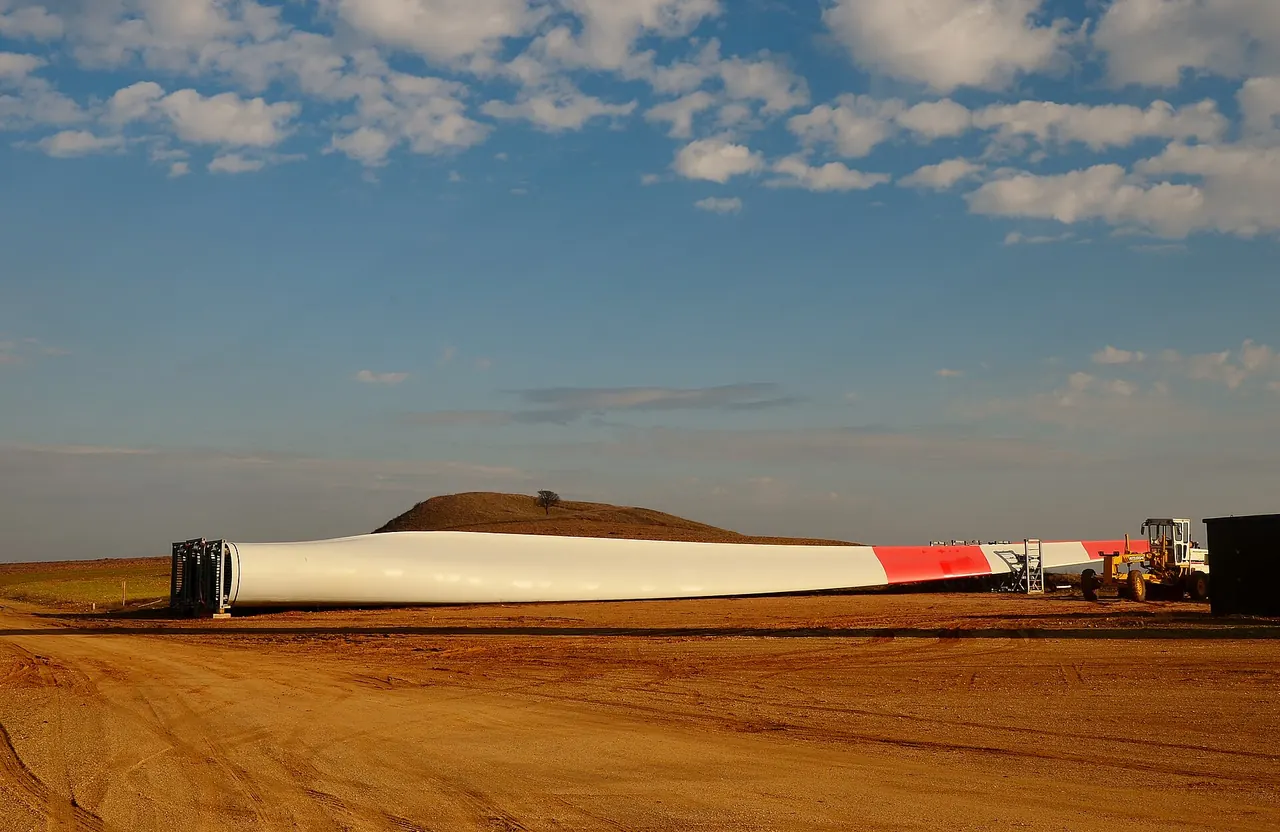
The signal I would watch is the localisation rate. Bayraktar reports about 60 percent domestic content on wind turbines, and over 70 percent on towers, generators and blades. The renewable ecosystem has grown from 27 producers in 2014 to roughly 500 domestic manufacturers, supporting close to 50,000 green jobs. Combine that with COP31, which Türkiye co-hosts with Australia in Antalya this November, and we read this as an industrial policy story more than an installation tally. Bayraktar gave no timeline for the first offshore YEKA tender beyond the completion of permitting; TÜREB’s Ibrahim Erden expects it late this year or early next. Its procurement design will shape how offshore wind in Türkiye’s northwest actually scales.
What it means for MENA
My read is that MENA tenders over the next few years will run inside a window where Turkish suppliers, with 60 to 70 percent localisation, can bid blades, towers and generators into the region. The grid plan matters too. Bayraktar said Türkiye is working to raise interconnection capacity with its neighbours to position itself as a regional energy trading hub, and I think that makes it a future trading partner for the eastern Mediterranean.
A country that builds most of its own turbine components and upgrades its own grid is a different kind of competitor, and a different kind of partner. Which piece of the model would do the most for your country: the manufacturing localisation, the offshore tender design or the cross border grid build?