

Installed capacity, pipeline and named projects will appear here, each figure linked to its source.
Coverage
Goldwind's 82 MW Manisa order puts its Turkish medium-speed fleet on course to pass 150 turbines
Goldwind signed with Aksa Energy for 11 GWH182-8.0 MW turbines at the 82.16 MW Manisa wind-plus-storage project, with long-term service support included. 1 min read
Eleven turbines. That is the whole order, and it is the least interesting number in the announcement.
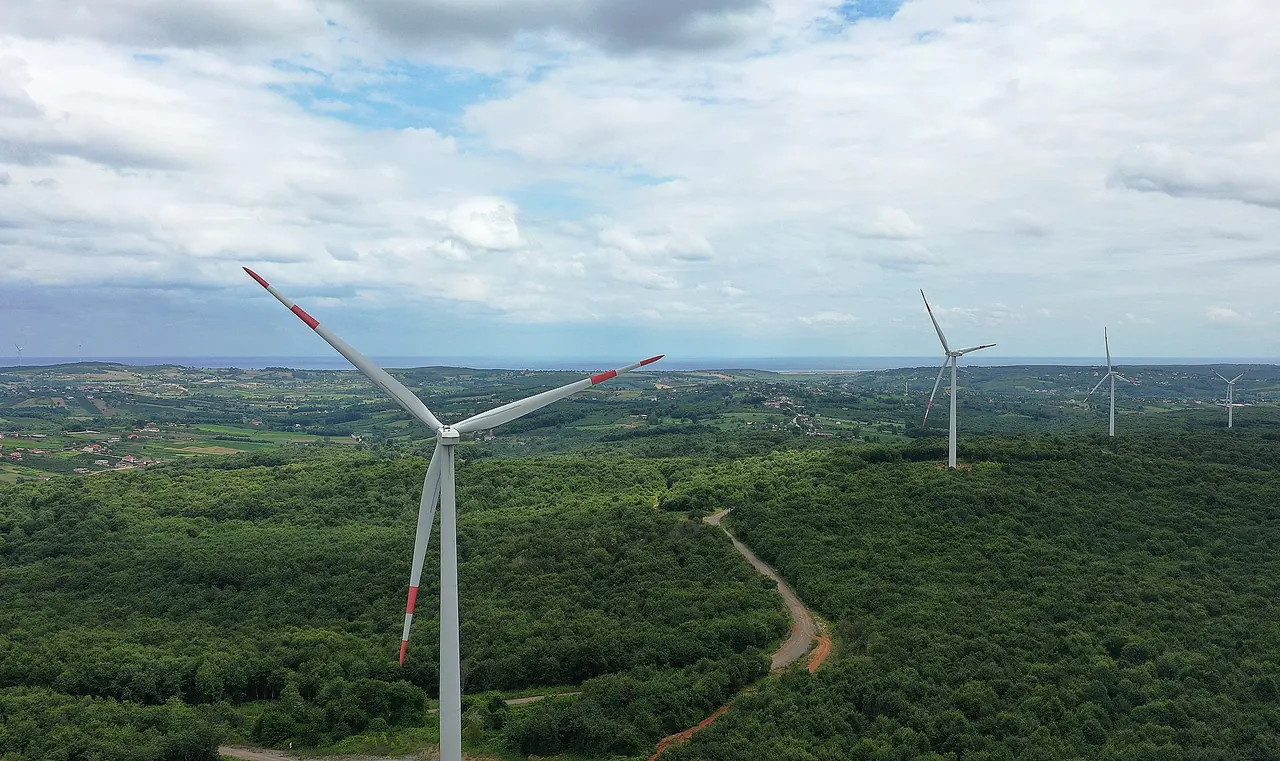
Goldwind has signed a collaboration agreement with Aksa Energy for the 82.16 MW Manisa wind-plus-storage project in Türkiye, built around 11 GWH182-8.0 MW machines on 110 metre hubs using the company’s medium-speed permanent magnet technology. Aksa Enerji’s own market disclosure puts the plant at 82.16 MWe alongside 90.5749 MWh of storage, with the first turbines due to commission in May 2027. Goldwind is also providing local project execution and long-term service support. Then comes the line underneath all of it: after this project, the number of Goldwind medium-speed turbines in Türkiye is expected to pass 150 units.
Why it matters
An 82 MW order decides very little. A 150-machine national fleet decides a lot. My read is that this is roughly the density at which spare parts depots, resident technicians and remote monitoring stop being the cost of winning work and start paying for themselves. A turbine sale closes once. The service agreement behind it earns for years, and I would argue that is where OEM margin lives.
What it means for MENA
Run the same arithmetic on any MENA market where one supplier keeps winning repeat orders. The servicing problem scales with the fleet. I would want the service plan inside the bid evaluation rather than the warranty appendix: who staffs the depot, where the blade crew is based, and what year eight costs.
Türkiye sets its first offshore wind auction for the first quarter of 2027
Energy Minister Alparslan Bayraktar said the tender will be published in September, with details due ahead of COP31 in Antalya. The target is 5,000 MW offshore by 2035. 1 min read
Türkiye’s first offshore wind auction now has a date.
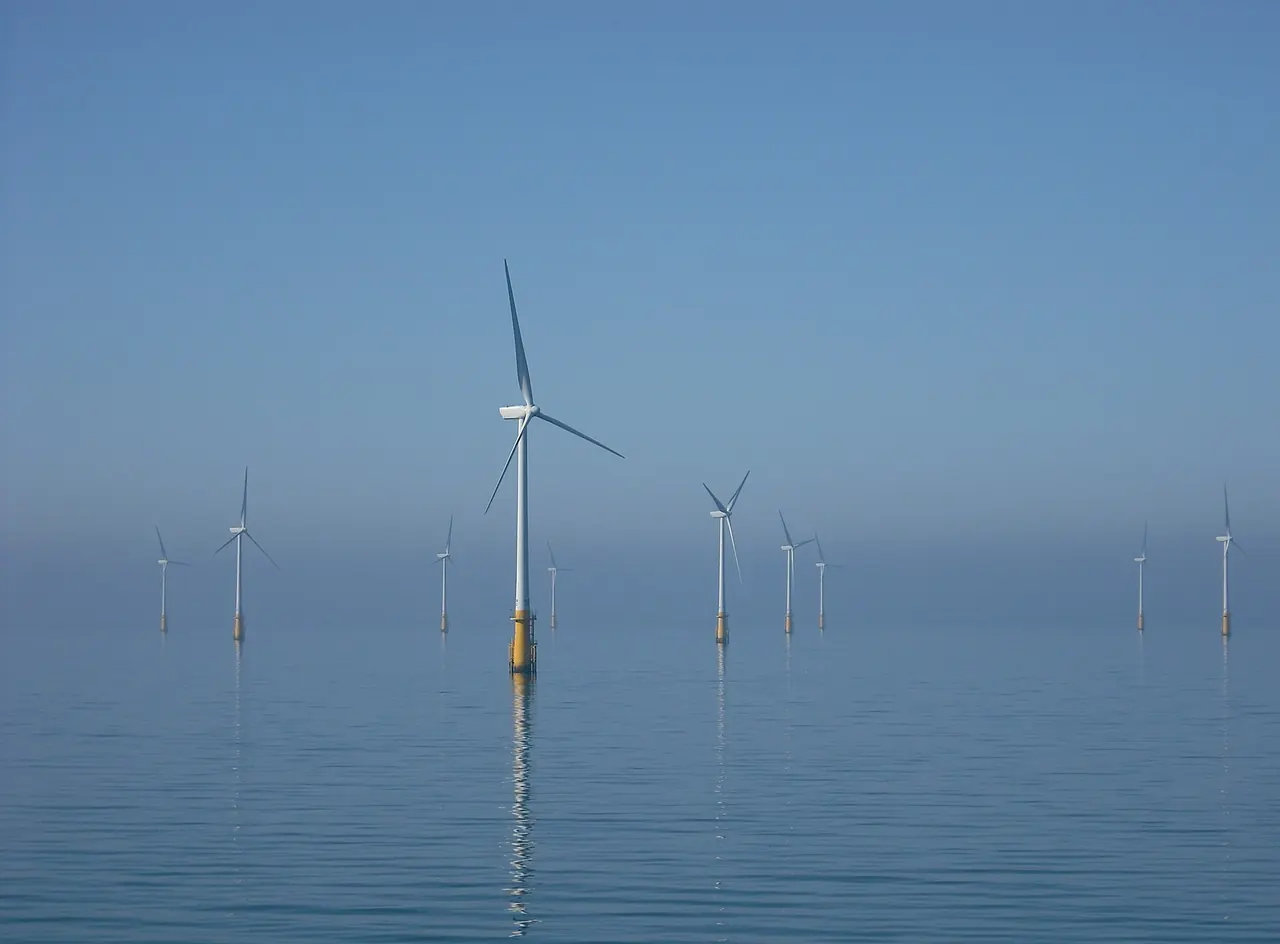
After publishing draft rules, the energy ministry has fixed the calendar: tender published in September, auction held in the first quarter of 2027. Energy Minister Alparslan Bayraktar announced the timetable Wednesday and said details would come ahead of COP31, which Antalya hosts in November. Industry feedback on the draft specification closes August 17, with the final rules built from those responses. The target stands at 5,000 MW of offshore wind by 2035, backed by an auction system that has run 7,800 MW of YEKA competitions since 2016 plus 3,800 MW allocated across 2024 and 2025.
Why it matters
Targets invite headlines; auction dates move supply chains. A fixed Q1 2027 bid window gives turbine makers, vessel operators and lenders something they can price. Türkiye comes to the table with more than 15,000 MW of wind already on its grid.
What it means for MENA
For MENA, this is an offshore wind auction next door with a hard date. I expect whatever price and localisation terms clear in Q1 2027 to be the reference numbers when Red Sea and Atlantic tenders open.
Nordex lands a 72-turbine, 525 MW order for Türkerler's YEKA-5 Sivas wind project
The N175/6.X turbines start installation in Q3 2027 on 108 metre towers, with service extendable to 25 years. Nordex calls it the biggest single turbine deal in Türkiye. 1 min read
Seventy-two turbines in one contract: by Nordex’s count, Turkish wind just set its own record.
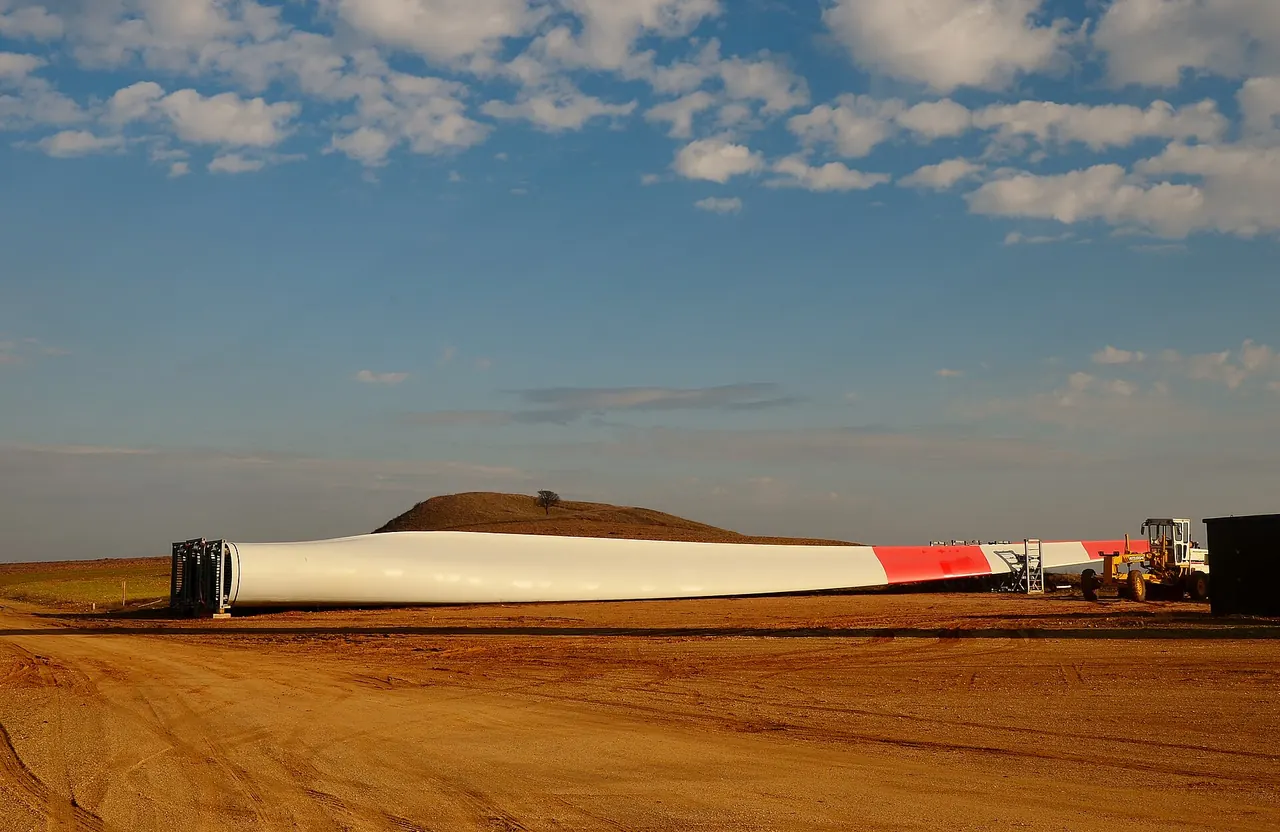
Nordex will supply and install 72 N175/6.X turbines for Türkerler Holding’s YEKA-5 R25 Sivas wind project, a package of around 525 MW that Nordex regional Vice President Ender Özatay calls “the biggest single turbine deal in the Turkish wind energy market.” The Delta4000 machines will stand on 108 metre towers, with first installation starting in the third quarter of 2027. The contract carries a 10 year Premium Service agreement extendable to 25 years. Türkerler, active across construction, energy and electricity distribution, is a repeat Nordex customer.
Why it matters
My read is that onshore wind’s growth now runs through markets that can absorb half a gigawatt in a single contract, and Türkiye’s YEKA auction rounds just produced one. A service option stretching to 25 years also tells you how far past commissioning the value of a deal like this extends.
What it means for MENA
We read this as the procurement outcome MENA markets running factory-plus-project packages are buying toward. Özatay credits the win to the N175 technology and “our strong local supply chain.” For MENA tender committees weighing local content against price, the OEM itself is saying local supply helped land the record order.
Türkiye's 7 to 11 cent offshore wind band sits over four times above Saudi Arabia's Al Ghat onshore price
Draft YEKA OWPP-2026 rules cover four sea areas, a 49-year operating right and 25 percent domestic content. Saudi Arabia's Al Ghat cleared onshore wind at 1.566 cents. 1 min read
Saudi Arabia’s Al Ghat, now feeding the Saudi grid, cleared onshore wind at 1.566 cents per kWh. The offshore price band in MENA’s neighbourhood opens at 7.
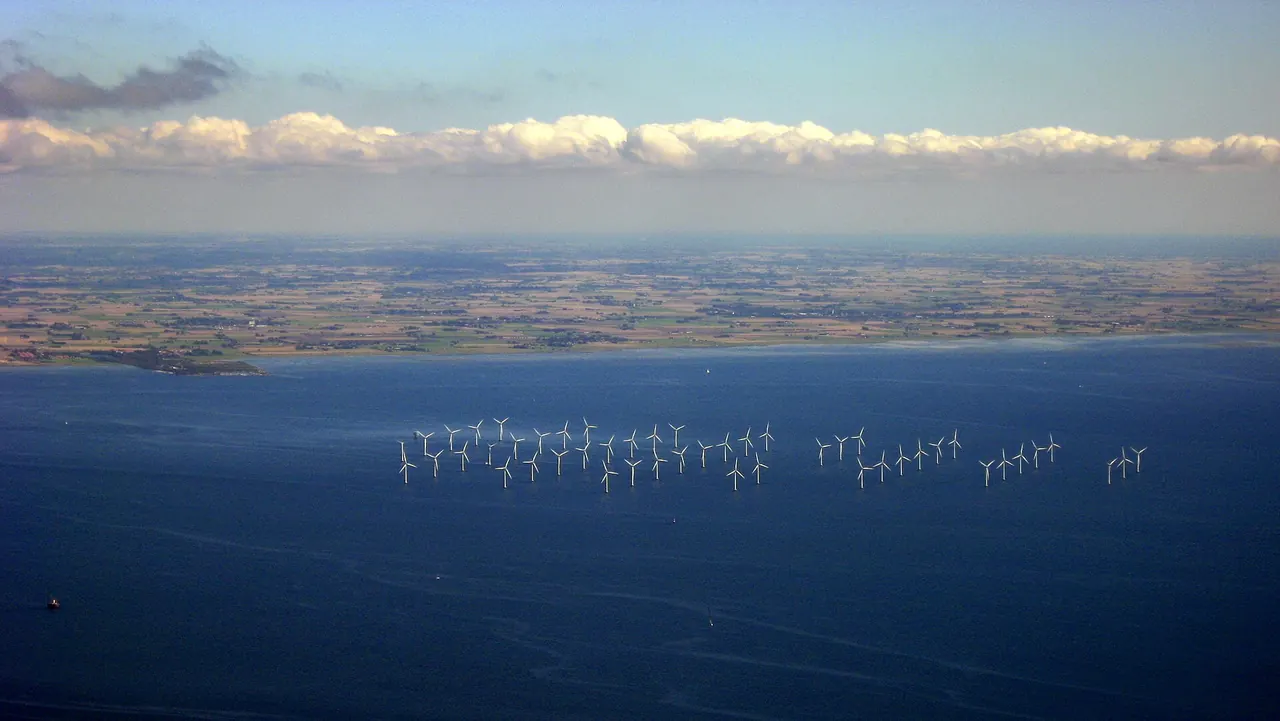
Türkiye’s draft rules for YEKA OWPP-2026, its first gigawatt-scale offshore wind auction, set a reverse-auction corridor of 7 to 11 US cents per kWh across four sea areas, from Saros Bay to the waters off Edremit. Public consultation closes August 17. We covered the announcement in June. The number deserves its own post.
Türkiye’s offshore floor sits more than four times above Al Ghat’s clearing price. The ceiling runs about seven times higher.
The spread prices a new frontier: 49-year operating rights at sea, a 25 percent domestic content requirement backed by 5 million dollars of penalty per missing percentage point, and, as I read it, a Turkish offshore supply chain that is still mostly to be built. TÜREB points to a World Bank scenario in which 7 GW of Turkish offshore by 2040 draws 16 billion dollars of investment and 110,000 jobs.
If offshore follows the path onshore took in the Gulf, this band is a starting point and auction rounds do the compressing. Every coastline weighing offshore, from Morocco’s Atlantic to the Gulf of Suez, now has a benchmark to beat.
Which coastline in the region posts the first sub-5-cent offshore bid?
Türkiye opens YEKA-2026 with 1,500 MW of onshore wind across seven auctions
Energy Minister Alparslan Bayraktar launched the 2.4 GW tender on 13 July with a €0.055/kWh ceiling and a €0.035/kWh wind floor. Applications close 13 October. 1 min read
Türkiye just opened a 2.4 GW wind and solar tender, and wind takes the majority of the capacity.
Energy Minister Alparslan Bayraktar launched YEKA-2026 on July 13, allocating 1,500 MW to seven onshore wind auctions and 900 MW to fourteen solar auctions across designated Renewable Energy Resource Areas. The ceiling price sits at €0.055/kWh for both technologies; the wind floor is €0.035/kWh and the solar floor €0.0325/kWh. Winners hold a 72-month open-market window for wind (60 months for solar) before entering 20-year PPAs at auction pricing. Applications close October 13. Balıkesir gets the largest single wind allocation at 685 MW.
Why it matters
Türkiye has pledged at least 2 GW of YEKA competitions every year en route to 120 GW of wind and solar by 2035. I think a predictable annual tender cadence matters more to bidders than any single round.
What it means for MENA
Türkiye now runs a structured annual wind tender cycle next door to Saudi NREP, and Saudi bidders get a comparable procurement architecture in an adjacent market. My read is that a €0.035/kWh wind floor sharpens the pricing question heading into Saudi Round 7’s bid window.
Enerjisa Üretim lines up $180 million arranged by FMO, with $80 million from DEG, for 250 MW of Muğla wind
The syndicated package funds three Enercon-supplied wind farms in Muğla. DEG already financed nine Enerjisa YEKA-2 plants totalling 750 MW. 1 min read
Türkiye’s largest private electricity producer just lined up $180 million in DFI-arranged debt for 250 MW of new wind.
Enerjisa Üretim, in which E.ON is a shareholder, signed the contracts in a syndication arranged by Dutch development bank FMO, with Germany’s DEG providing $80 million of the $180 million total, DEG announced on July 13. Proceeds finance three wind projects in Muğla province in southern Türkiye with around 250 MW combined, all supplied by Germany’s Enercon. DEG puts their potential output at enough for roughly 189,000 households a year, avoiding around 221,000 tonnes of CO2. DEG has worked with Enerjisa since 2024 and, as part of a larger consortium, financed nine onshore wind plants totalling 750 MW under Türkiye’s YEKA-2 program. Enerjisa has around 4.6 GW installed.
Why it matters
Our read is that long-tenor DFI debt for private wind IPPs is still scarce in emerging markets, which makes a repeat customer relationship like this one worth more than the ticket size. DEG frames the loan around a German shareholder and German turbines.
What it means for MENA
We see a template here for MENA wind IPPs: tie the development finance ticket to the turbine supplier’s home-country lender, and come back to the same lender for the next tranche. Which MENA sponsor builds that relationship first?
Türkiye publishes draft rules for its first 1 GW offshore wind auction
YEKA OWPP-2026 sets a $0.07 to $0.11 per kWh price band, a 49-year operating right and 25 percent domestic content. Consultation runs to August 17. 1 min read
Türkiye just published the draft rules for its first gigawatt-scale offshore wind auction.
The Energy Ministry’s YEKA OWPP-2026 specification puts a 1 GW project up for bid across four candidate sea areas: Saros Bay, Gökçeada, Bozcaada, and waters off Edremit. The reverse auction sets a $0.07 to $0.11 per kWh price band, awards a 49-year operating right, and requires 25 percent domestic content backed by $5 million penalties per percentage-point shortfall. Bidders post $50 million at application and $250 million on contract signing. Early commissioning within seven years earns a $0.12 per kWh tariff for the first phase. Public consultation runs to August 17, 2026. TÜREB cites a World Bank scenario in which 7 GW of Türkiye offshore by 2040 would mean $16 billion of investment and 110,000 jobs.
Why it matters
We know of no earlier auction in the wider region that puts a price band, bid bond, and seven-year delivery clock against offshore wind. The 25 percent domestic content rule attaches a manufacturing requirement to the megawatts.
What it means for MENA
Every MENA developer with offshore ambition now has a procurement template within driving distance. My expectation is that the first MENA offshore tender will be benchmarked against the price band, bond structure, and local-content rules Türkiye just put on paper.
Nordex starts production at a 1,200-blade-a-year plant in Türkiye's Izmir Free Trade Zone
The Menemen plant makes blades for the N163 and N175 platforms, with initial output for YEKA-4 and YEKA-5 and surplus reserved for European projects. 1 min read
Türkiye just turned on a 1,200-blade-per-year wind factory designed to fill YEKA tenders at home and ship surplus to Europe.
The Nordex Group on May 22 started production at its new rotor blade plant in Menemen, in the Izmir Free Trade Zone, covering 130,000 sqm of land with a 90,000 sqm production hall. At full capacity, four shifts will turn out up to 1,200 rotor blades per year and employ around 1,200 people. The plant is built around blades for the Nordex N163 and N175, the company’s latest onshore turbine platforms designed for medium to strong wind conditions. Initial output is earmarked for YEKA-4 and YEKA-5 wind farms inside Türkiye, with surplus capacity reserved for European projects. Nordex has been in Türkiye since 2009 and has held market leadership since 2017 with about 34 percent share.
Why it matters
My read: a blade plant sized for domestic YEKA rounds, with an export tail into Europe, is how a functioning wind manufacturing hub comes together. Domestic tenders fill the first years. Exports carry the plant through the slow ones.
What it means for MENA
For MENA governments running their own wind localisation plans, we see Menemen as the closest live benchmark for what a finished wind manufacturing hub looks like, including an export tail into Europe. For procurement teams in Riyadh, Cairo and Muscat, that export tail is the part worth studying. My read is that its unit economics decide whether a MENA wind factory survives the first slow tender year.
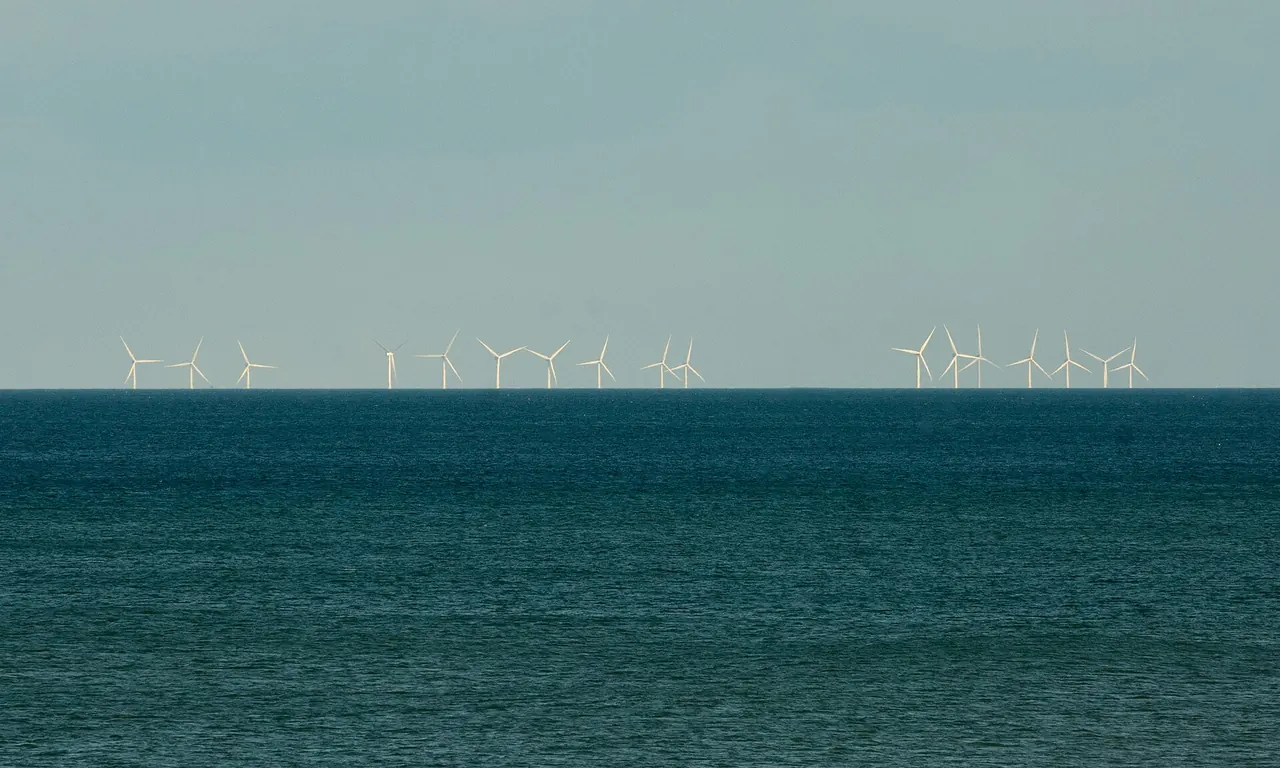
Türkiye declares 2026 the year of wind with 1,500 MW for YEKA auctions and a 5 GW offshore target
Energy Minister Alparslan Bayraktar named four offshore zones and a grid plan of roughly 30 billion dollars, including 14,700 km of HVDC lines. 2 min read
A 125 GW power system has declared an entire calendar year the year of wind.
Türkiye’s Energy Minister Alparslan Bayraktar dubbed 2026 the year of wind at the Turkish Wind Energy Congress in Ankara on Tuesday. The headline numbers include 1,500 MW of fresh capacity earmarked for upcoming YEKA renewable auctions, a 5 GW offshore wind target by 2035, and four newly designated offshore zones at Saros Gulf, Gökçeada, Bozcaada and Edremit. Wind already supplies 10.9 percent of Türkiye’s 393 billion kilowatt hours of generation, with installed wind capacity now sitting above 15 GW, up from 20 MW in 2005. To support the buildout, Ankara plans roughly 30 billion dollars of grid investment, including 14,700 km of HVDC lines, 15,000 km of new AC transmission and 40 new converter stations.
What to look for
The signal I would watch is the localisation rate. Bayraktar reports about 60 percent domestic content on wind turbines, and over 70 percent on towers, generators and blades. The renewable ecosystem has grown from 27 producers in 2014 to roughly 500 domestic manufacturers, supporting close to 50,000 green jobs. Combine that with COP31, which Türkiye co-hosts with Australia in Antalya this November, and we read this as an industrial policy story more than an installation tally. Bayraktar gave no timeline for the first offshore YEKA tender beyond the completion of permitting; TÜREB’s Ibrahim Erden expects it late this year or early next. Its procurement design will shape how offshore wind in Türkiye’s northwest actually scales.
What it means for MENA
My read is that MENA tenders over the next few years will run inside a window where Turkish suppliers, with 60 to 70 percent localisation, can bid blades, towers and generators into the region. The grid plan matters too. Bayraktar said Türkiye is working to raise interconnection capacity with its neighbours to position itself as a regional energy trading hub, and I think that makes it a future trading partner for the eastern Mediterranean.
A country that builds most of its own turbine components and upgrades its own grid is a different kind of competitor, and a different kind of partner. Which piece of the model would do the most for your country: the manufacturing localisation, the offshore tender design or the cross border grid build?
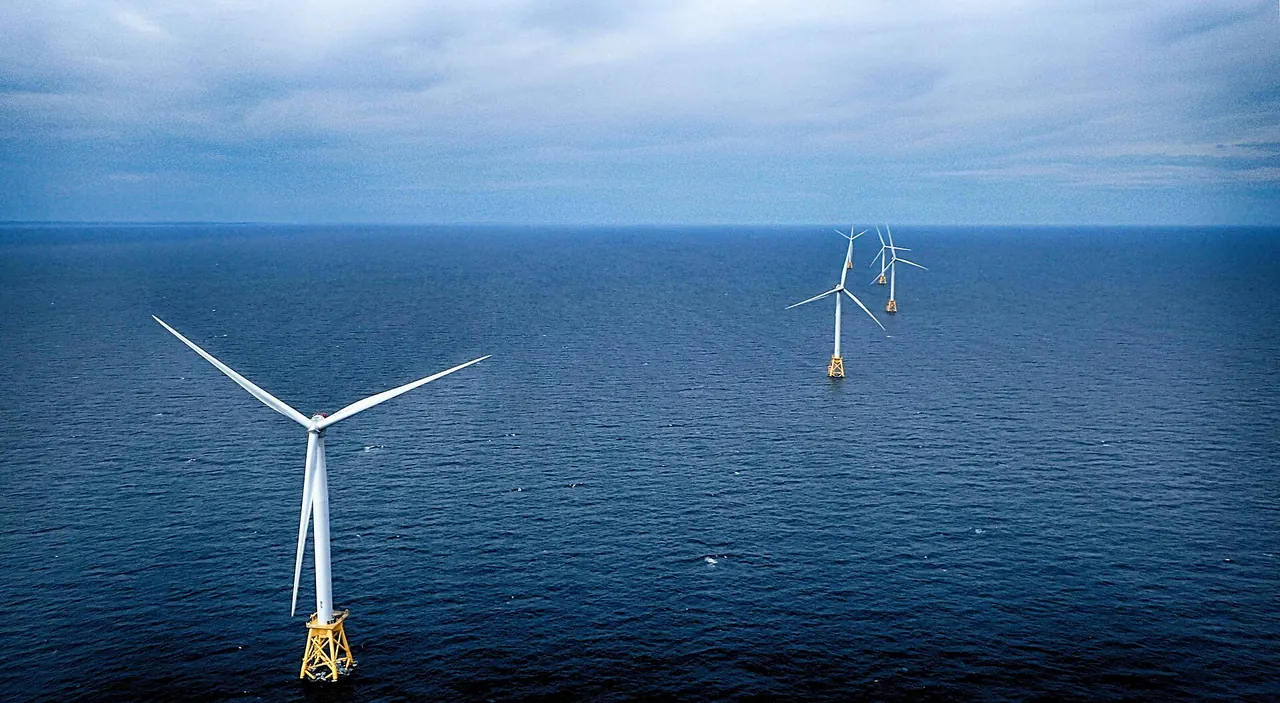
Turkey added 300 MW of wind in Q1 2026 and TÜREB projects 2.5 GW for the full year
TÜREB puts Q1 wind investment at about USD 350 million, after more than USD 2 billion and 2 GW in 2025. TÜREB's head expects Ankara's first offshore wind tenders by year end. 1 min read
Turkey just added 300 megawatts of wind in three months.
According to Ibrahim Erden, head of the Turkish Wind Energy Association (TÜREB), Turkey’s Q1 2026 wind investments hit roughly $350 million, building on a 2025 year that already pulled in over $2 billion for more than 2 GW of new capacity. Erden projects 2026 additions at 2.5 GW, implying total investment of $2.5 billion. Erden projects annual wind installations climbing to 4 to 5 GW by 2028 and 2029. Solar tells a parallel story, scaling from about 40 MW in 2014 to over 25 GW by January 2026, and in January Erden said he expected Ankara to issue its first offshore wind tenders by year end.
What to look for
Watch whether the first offshore tenders actually arrive this year, and watch for ripple effects on wind component supply chains. We read investment at this scale as Turkey positioning itself as a manufacturing and export hub for wind into MENA, the Caspian, and southern Europe.
What it means for MENA
Turkey’s trajectory sets a clean benchmark for the region’s emerging wind markets. If Turkey reaches 4 to 5 GW annually by 2029, I think it will show that a market next door to MENA can absorb large-scale wind buildouts year after year. My expectation is that Turkish supply chains, EPC firms and project finance structures will cross into MENA wind projects more often through 2027.
Which MENA wind market are you watching most closely right now?