European pension money just walked through the door of Egypt’s wind sector.
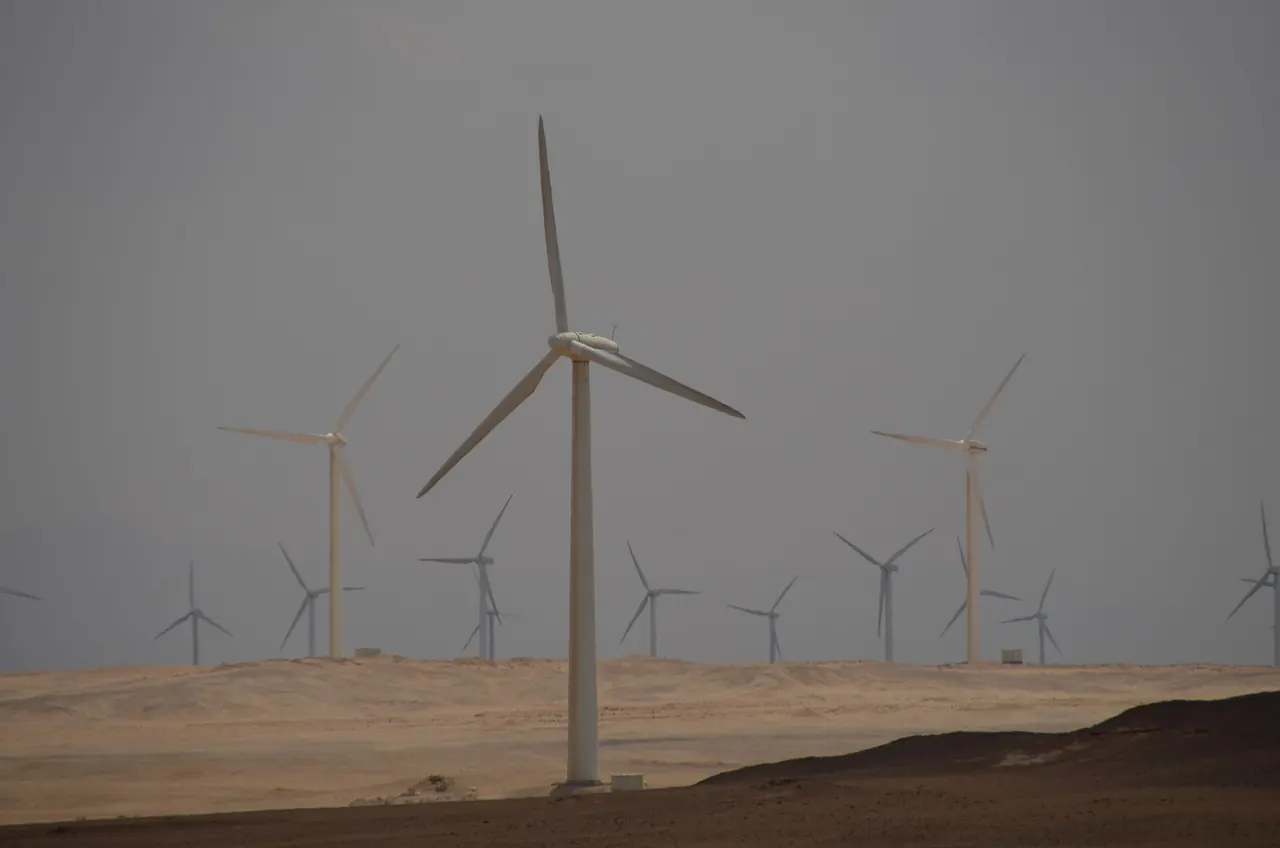
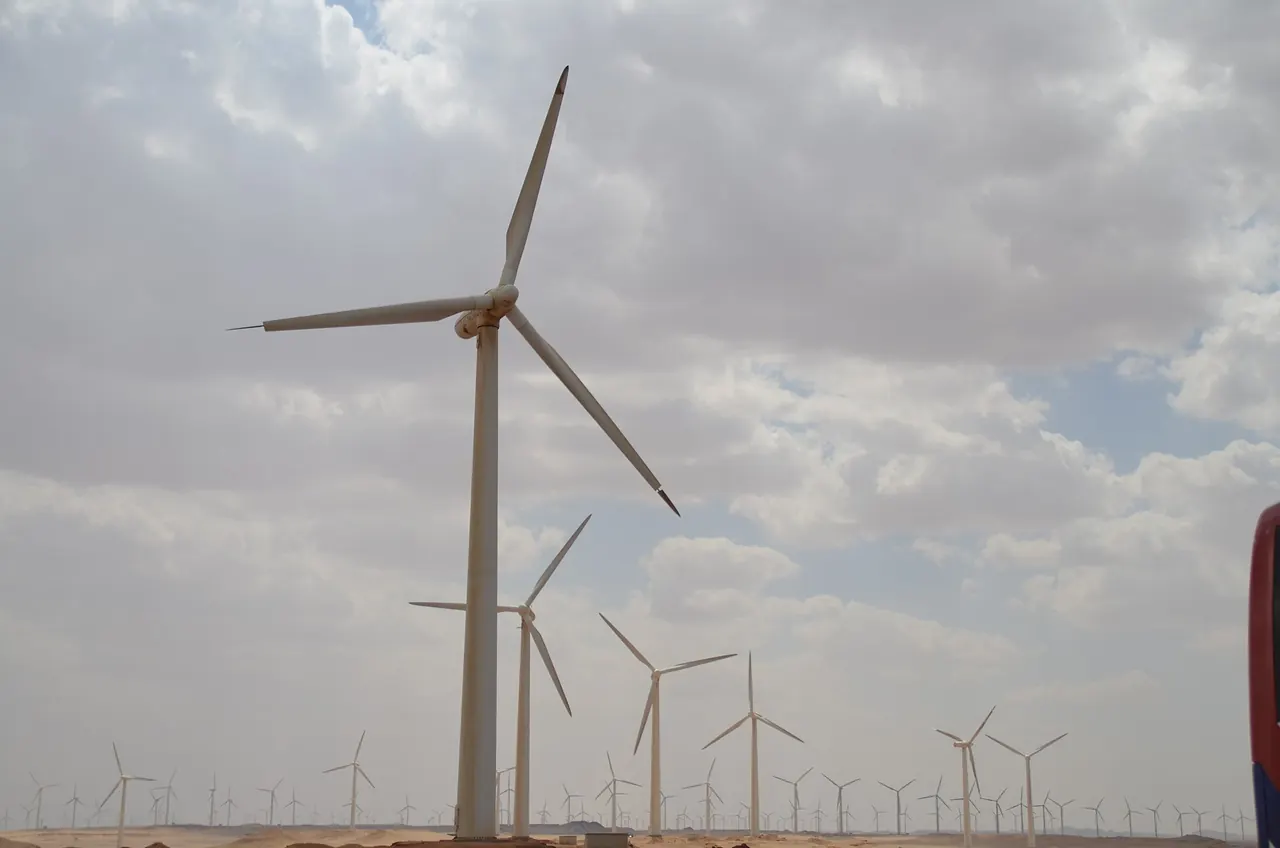
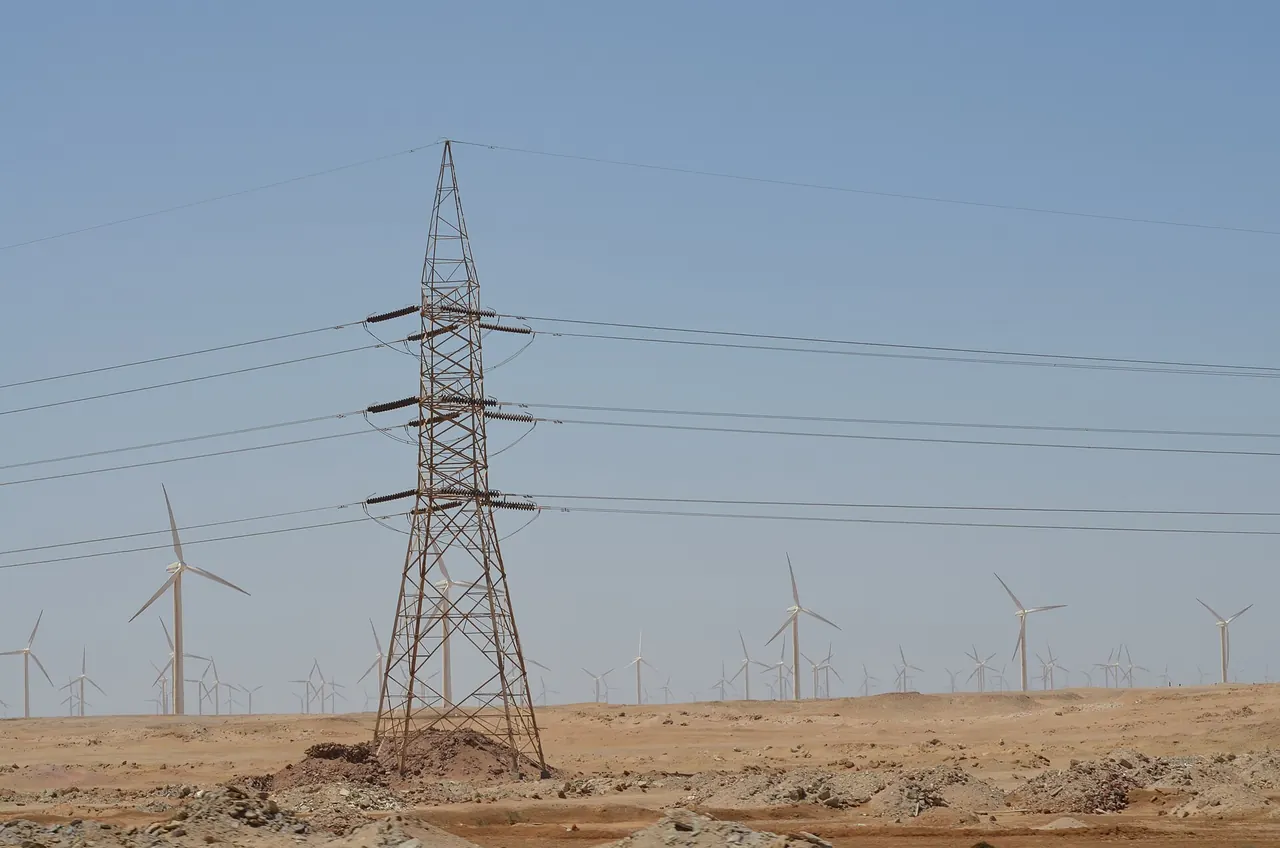
The African Development Bank and Dutch asset manager ILX Management have closed their first joint transaction, channelling 40 million dollars from European institutional investors into a 1.1 gigawatt wind project in Egypt. The deal is part of a 140 million dollar AfDB senior debt facility, structured as a funded risk participation. ILX, which manages capital on behalf of European pension funds, signed on April 20, 2026. It is the first transaction under the AfDB and ILX climate finance partnership agreed in 2023. The wind farm will be Egypt’s largest, and supports the country’s 42 percent renewables target by 2030.
What to look for
I think the mechanism matters as much as the money. A funded risk participation lets a development bank like AfDB share both funding and credit risk with a private investor, which is the kind of plumbing European pension money needs before it reaches wind in this region. If this template scales, expect more African and MENA wind projects to tap European retirement savings instead of sovereign budgets. Watch whether AfDB repeats the structure across the Maghreb pipeline.
What it means for MENA
In Egypt’s wind sector, my read is that the harder question now is who finances the megawatts and at what cost. Pension fund capital is patient and price disciplined, which suits the long life of a wind asset. For developers in Morocco, Tunisia, Saudi Arabia and Oman, this transaction is a useful precedent: European institutional money is wired into a real African wind project, with documentation the next round of deals can borrow from.
Africa’s renewable buildout needs deeper, cheaper, longer money. This deal opens a new tap.