Daniel Calderon’s firm has been putting new renewable capacity into Egypt since 2014. In June it signed terms to buy 580 megawatts that were already turning.
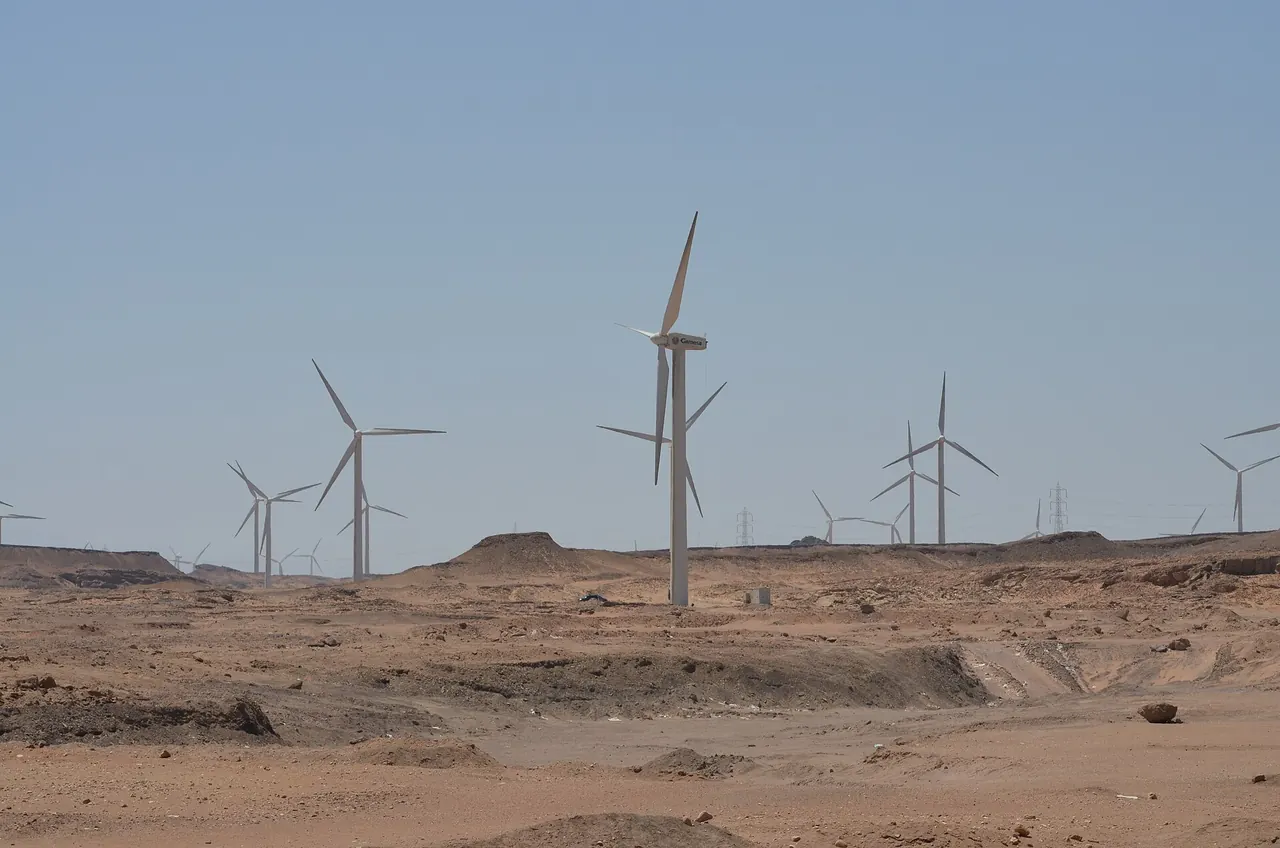
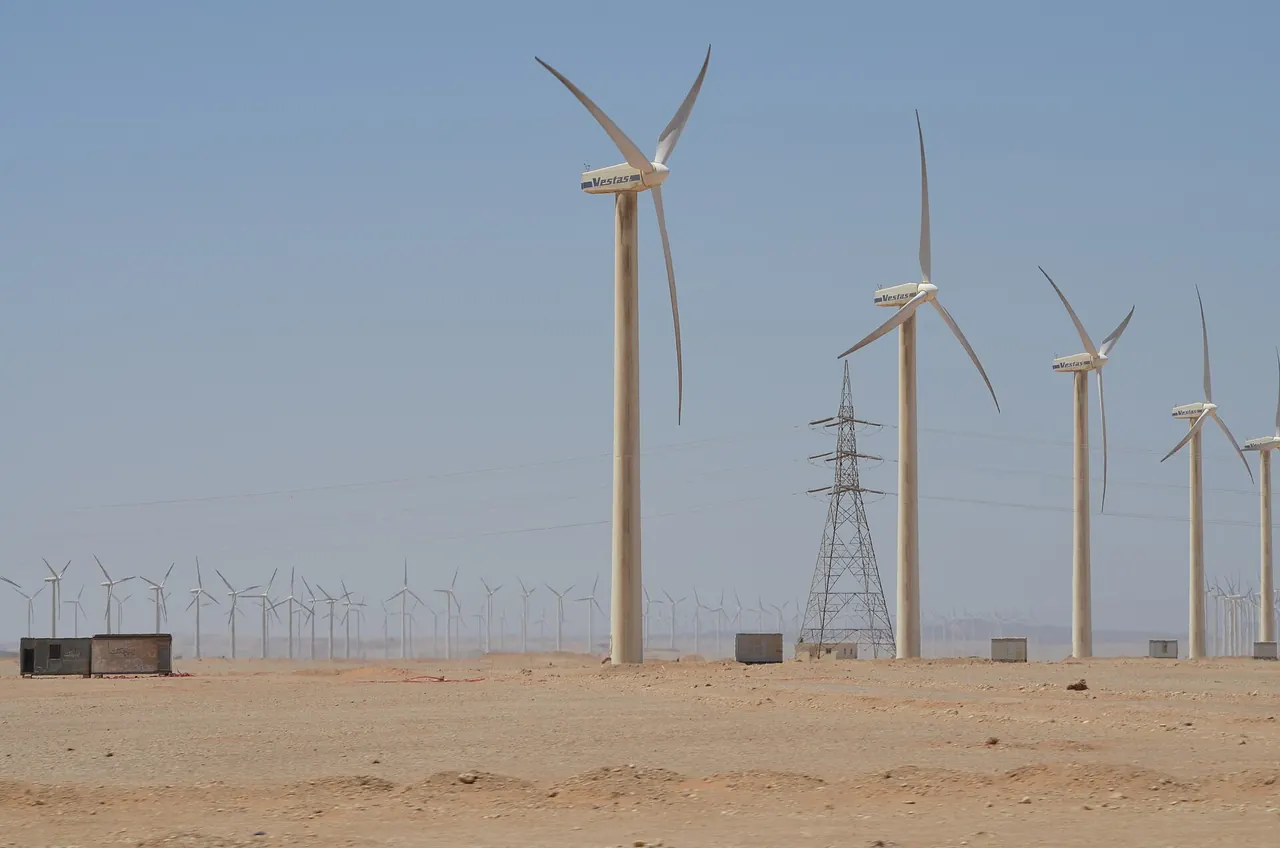
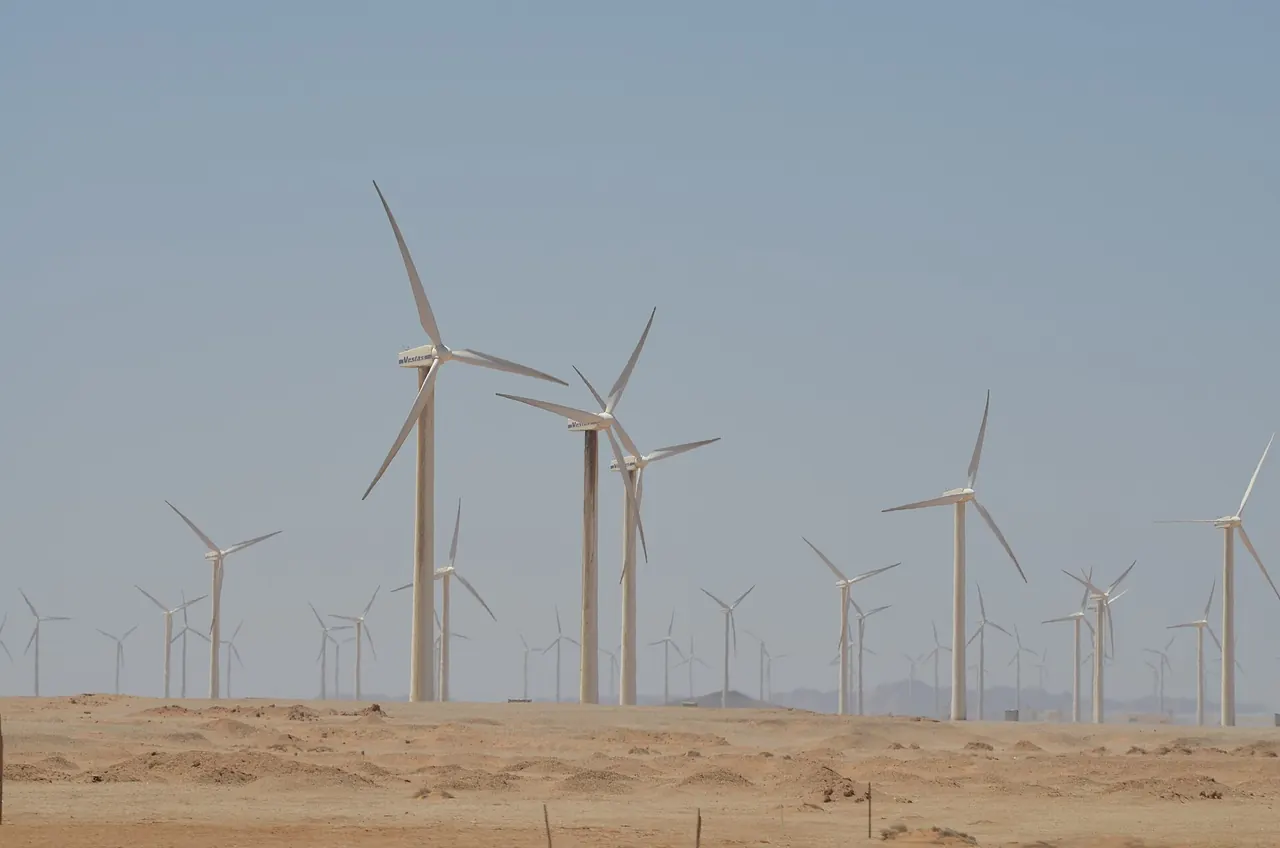
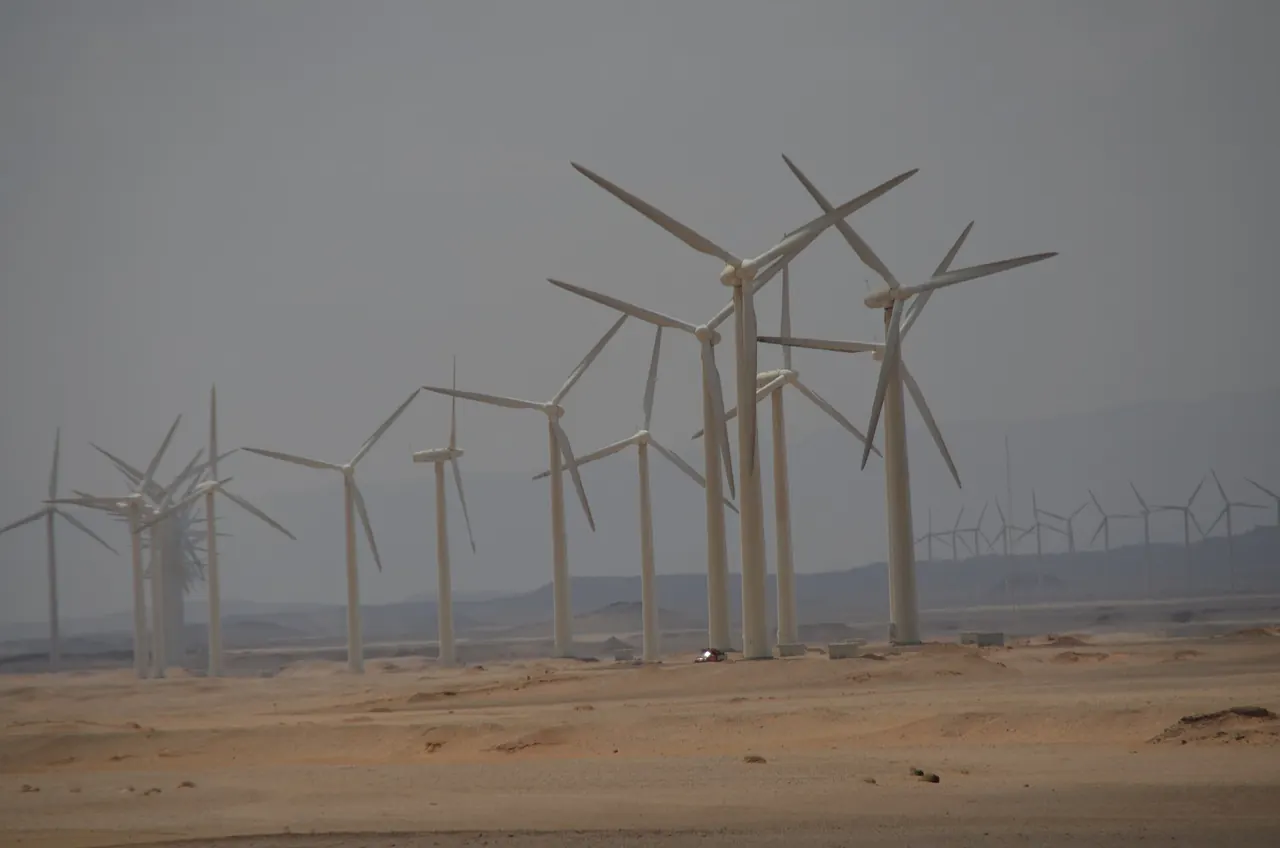
Gabal El Zeit is three operational wind farms on the Red Sea coast, Siemens Gamesa machines averaging eight to ten years of service. Under the terms Alcazar Energy Partners agreed with the New and Renewable Energy Authority, the fund assumes full operational responsibility, extends the asset’s useful life and sells the output to EETC on a 25-year power purchase agreement.
Calderon, Alcazar’s co-founder and managing partner, said in June: “Alcazar Energy is very pleased to contribute, with this project, to Egypt’s privatization efforts supported by the IMF. Together with our 500 MW NIAT Wind project, this investment will also help mobilize close to USD1.0 billion of capital for Egypt’s clean energy sector over the coming months.”
I read the contract as arithmetic first. Machines with eight to ten years behind them, contracted to sell power for twenty-five more, finish at thirty-three to thirty-five years in service. Whoever signs that is underwriting the service crew as much as the wind speed.
What holds my attention is the direction of travel. Alcazar arrived in Egypt as a greenfield investor and built there: four projects at Benban totalling 256 MWp, then a 2 GW onshore wind platform agreed with the government in November 2024. Now it is buying what the state already built. The announcement calls Gabal El Zeit the first strategic renewable power asset offered under Egypt’s privatisation framework.
If this one clears, a state-owned megawatt in this region earns twice. Once from the grid, once from the sale. Which fleet goes on the block after it?