In a Rolls-Royce test cell at Sinfin, engineers blow fake Middle Eastern dust through a jet engine on purpose.
The recipe came from geologists and engineers in the DUST group at the University of Manchester, who built a synthetic dust that replicates the fine, talcum-powder-like particles found in desert regions. Standard test dust has the wrong chemistry and would not stress the engine the same way. That work belongs to a one billion pound durability programme aimed at doubling the lifespan of engines such as the Trent XWB-97 by 2028. Modified engines have already returned to service showing a 60 percent increase in time between overhauls.
Aviation folded Middle Eastern dust into a billion-pound durability programme. On the wind side I cannot point to anything comparable.
Sandia National Laboratories measured what erosion does to a blade. Light erosion may cut annual energy production by 5 percent, heavy erosion by as much as 25 percent, and the aerodynamic damage shows up inside the second year of operation.
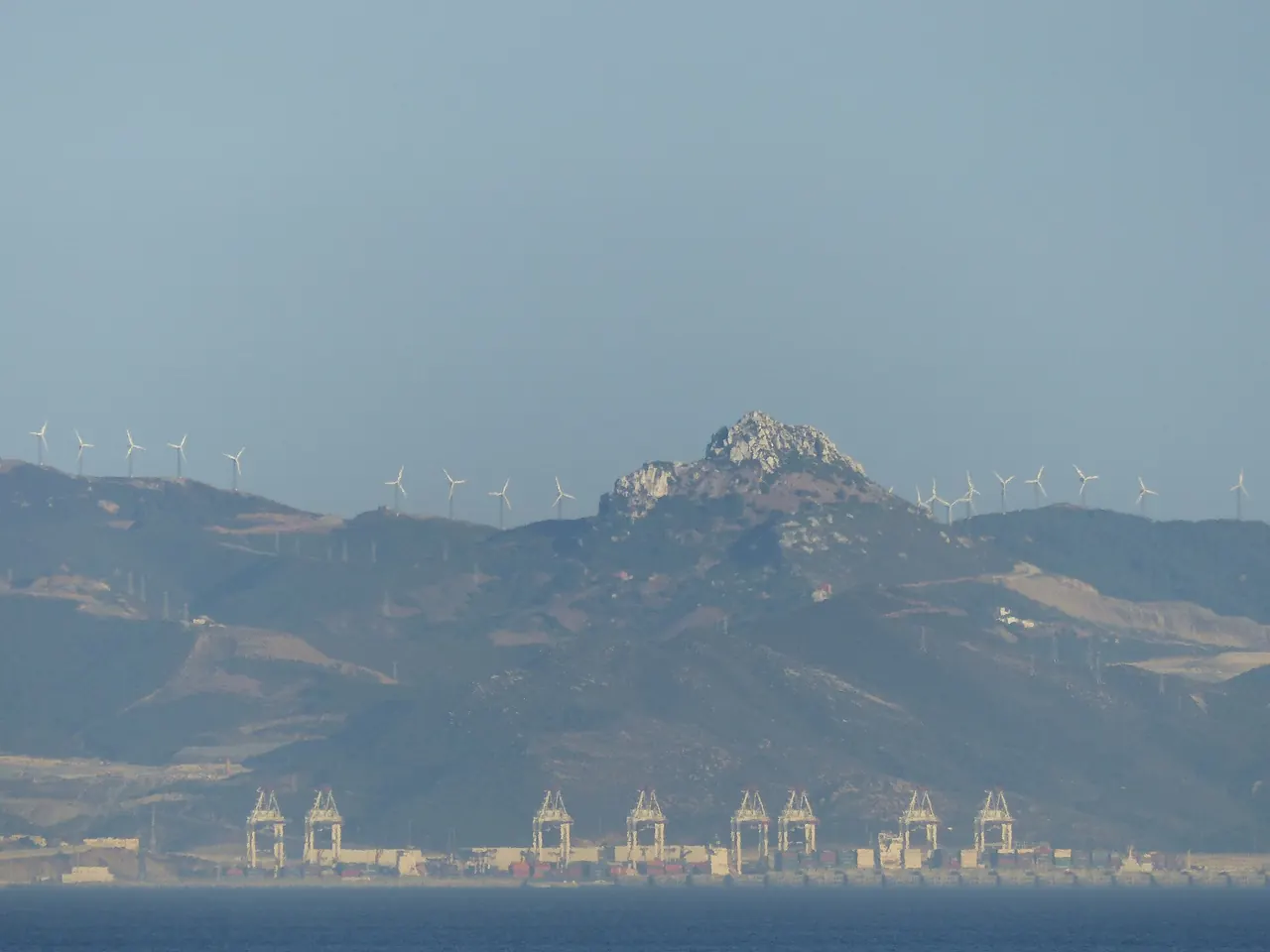
MENA keeps building wind into desert air.
So I would ask one question earlier than it usually gets asked, and I would point it at the asset rather than the tender: which leading-edge protection system went on these blades, and what erosion curve went into the twenty-year energy forecast? Answer it in the specification and it costs a coating. Answer it in year three and it costs output for the seventeen years still to come.