Five turbines in Ma’an will cost Jordan nothing. Nine hundred megawatts at Ras Shokeir will cost exactly what Egyptian wind risk is worth. Both get called MENA wind.
In early August, Jordan’s Samra Electric Power Generation Company signed the EPC contract for a 25 MW wind farm at Batn Al Ghul with SITE Technology General Contracting. The UAE government funds all of it, under a February agreement with Masdar. Cost of capital: zero.
In May, ACWA Power secured 226 million dollars of debt for the 300 MW Bash II farm in Uzbekistan, with ADB, AIIB and Standard Chartered at the table. The multilaterals anchor the stack, and the debt covered more than two thirds of project cost.
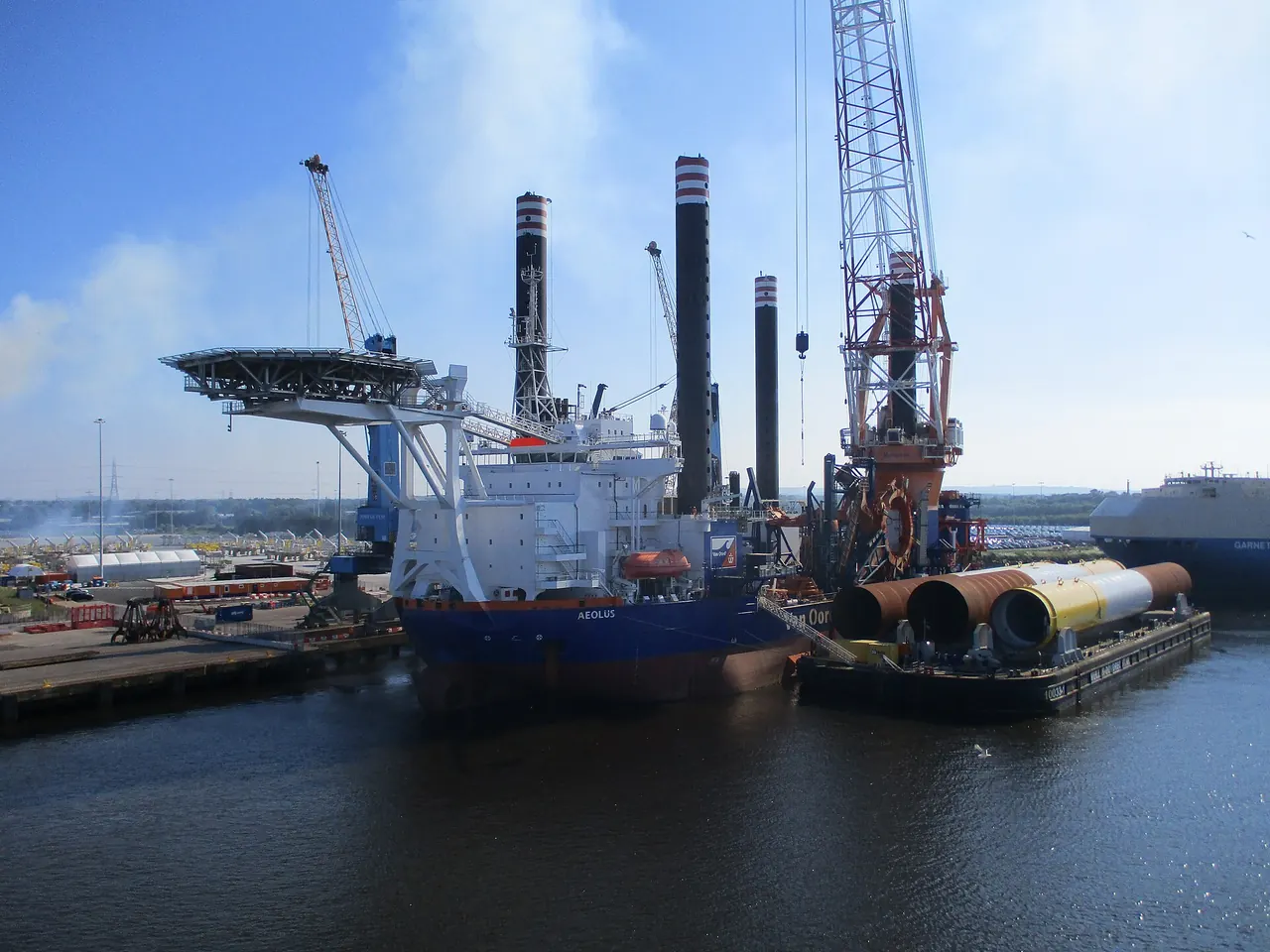
And right now, the consortium of ENGIE, Orascom Construction and Toyota Tsusho’s Aeolus is working toward financial close on the 900 MW Ras Shokeir BOO project. ENGIE’s stated target was early third quarter of 2026. The window is open.
It is easy to read the region’s record-low tariffs as proof that MENA wind is cheap. I read them as proof that MENA wind runs on three kinds of money at once: gifted, blended and commercial. A grant produces no price signal at all. A blended stack produces a softened one. Only a commercial close tells you what the market charges for Egyptian wind risk, which makes Ras Shokeir’s financial close the most informative number MENA wind will print this quarter.
Money in this region costs anywhere from nothing to everything. The spread between those three stacks says more about where this market goes after 2030 than any tariff on an auction slide.