Masdar listed three of its own wind projects as credentials in the Bahrain announcement. Read together, they are a specification.
In May 2024 Masdar signed an agreement with Bapco Energies to jointly explore the development of and investment in wind projects in Bahrain with a capacity of up to 2 GW. The agreement covers near-shore and offshore wind farms. Masdar’s release called it Masdar’s first agreement in the Kingdom and the first project of its kind in the region and the Middle East. Mark Thomas, Bapco Energies Group Chief Executive Officer, called it a bold step towards the ambitions set out in Bahrain’s National Energy Strategy, which targets a 30 percent emissions cut by 2035 and net zero by 2060.
Now read the three reference projects Masdar put in the same release.
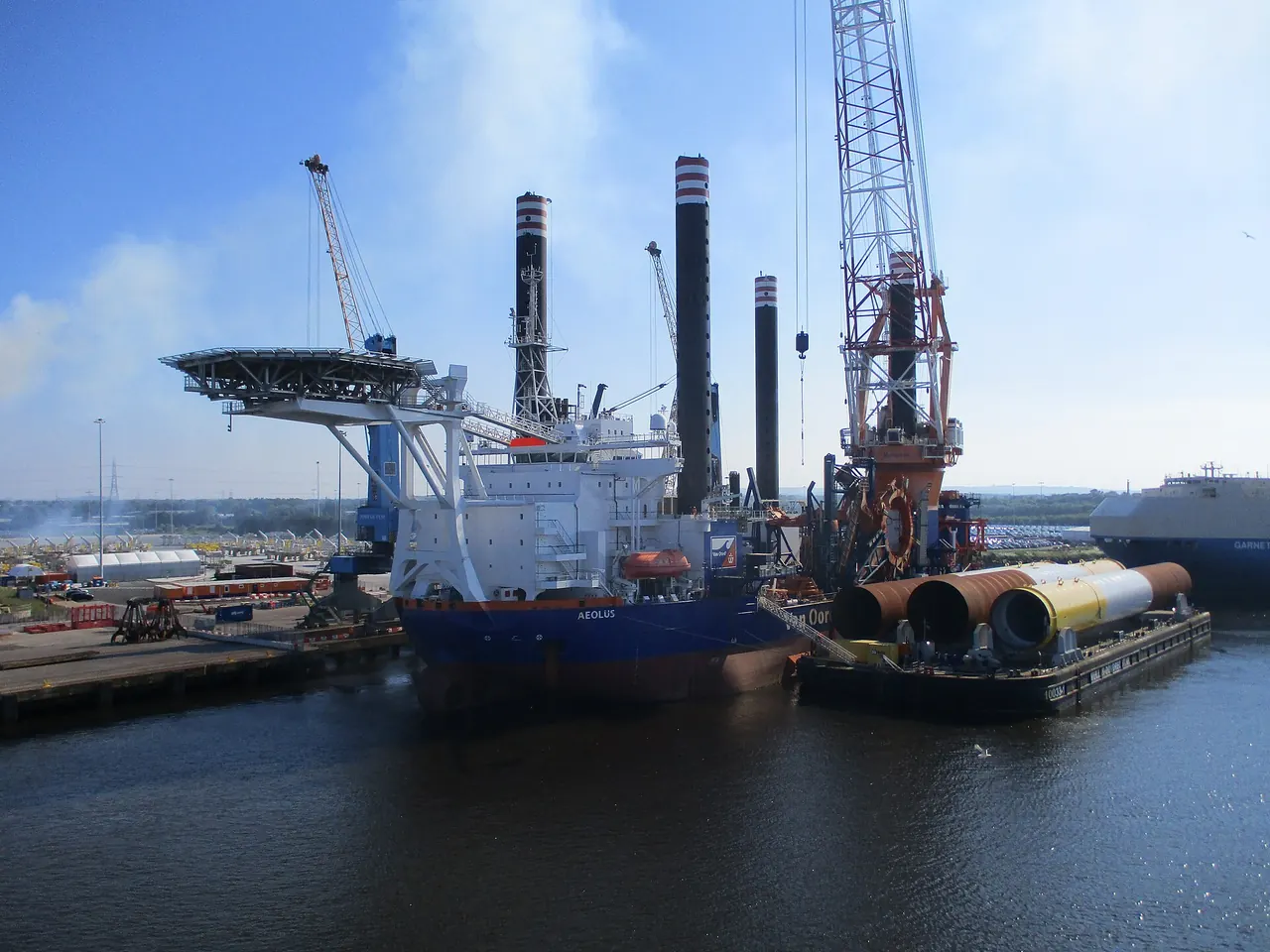
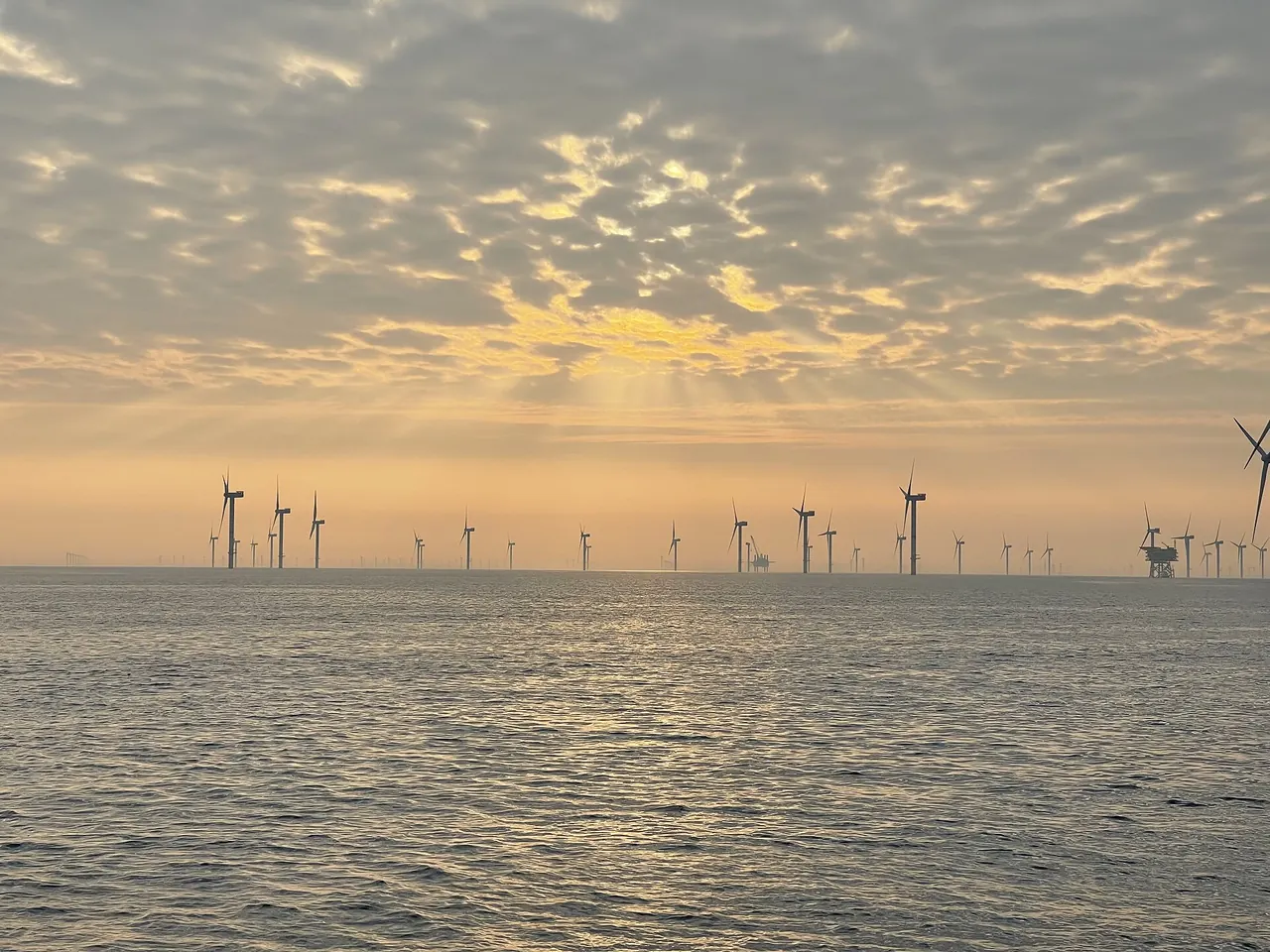
The 630 MW London Array in the UK, which powers half a million British homes. That is the offshore build.
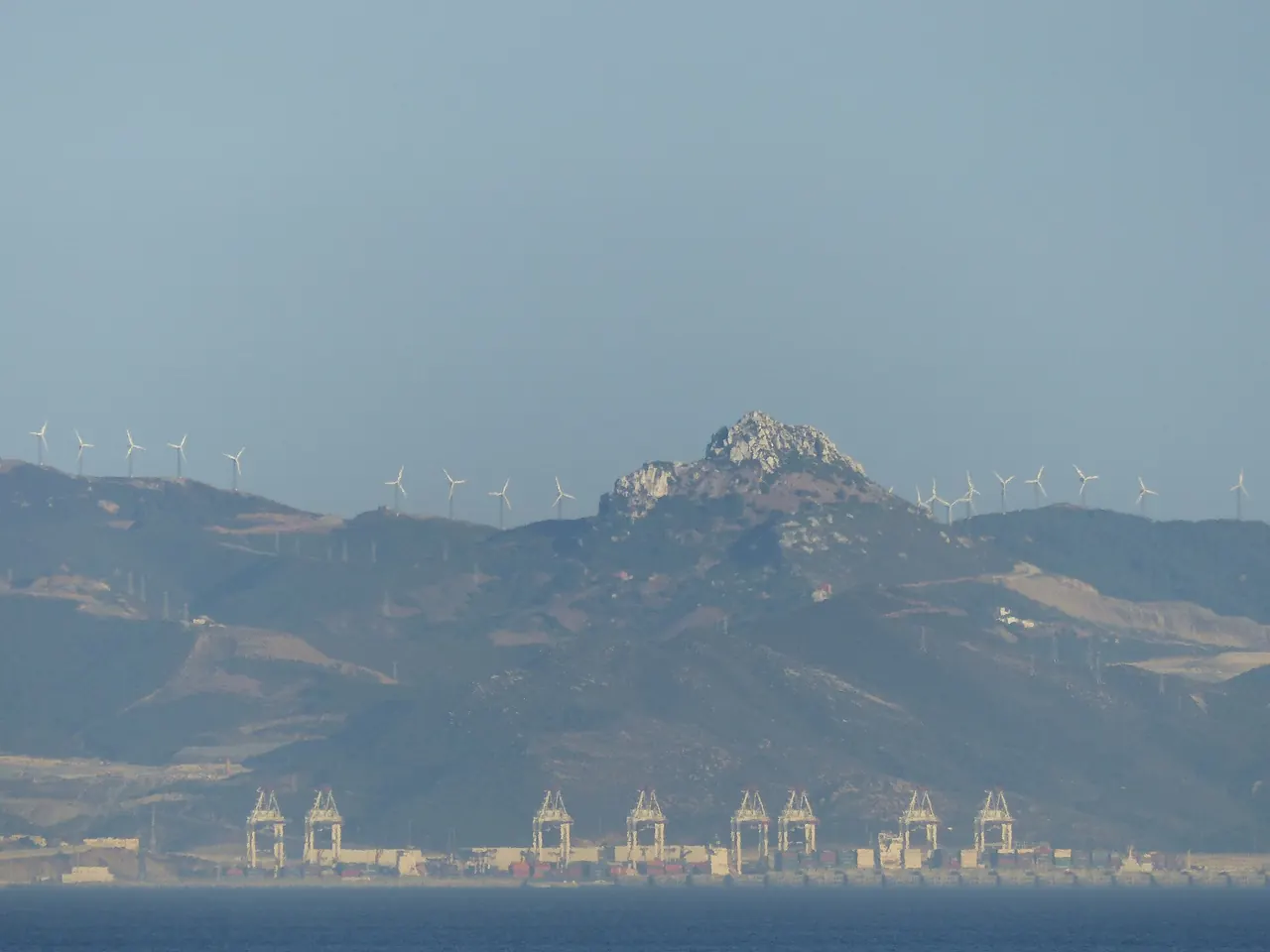
The 400 MW Dumat Al Jandal in Saudi Arabia. That is the regional onshore build.
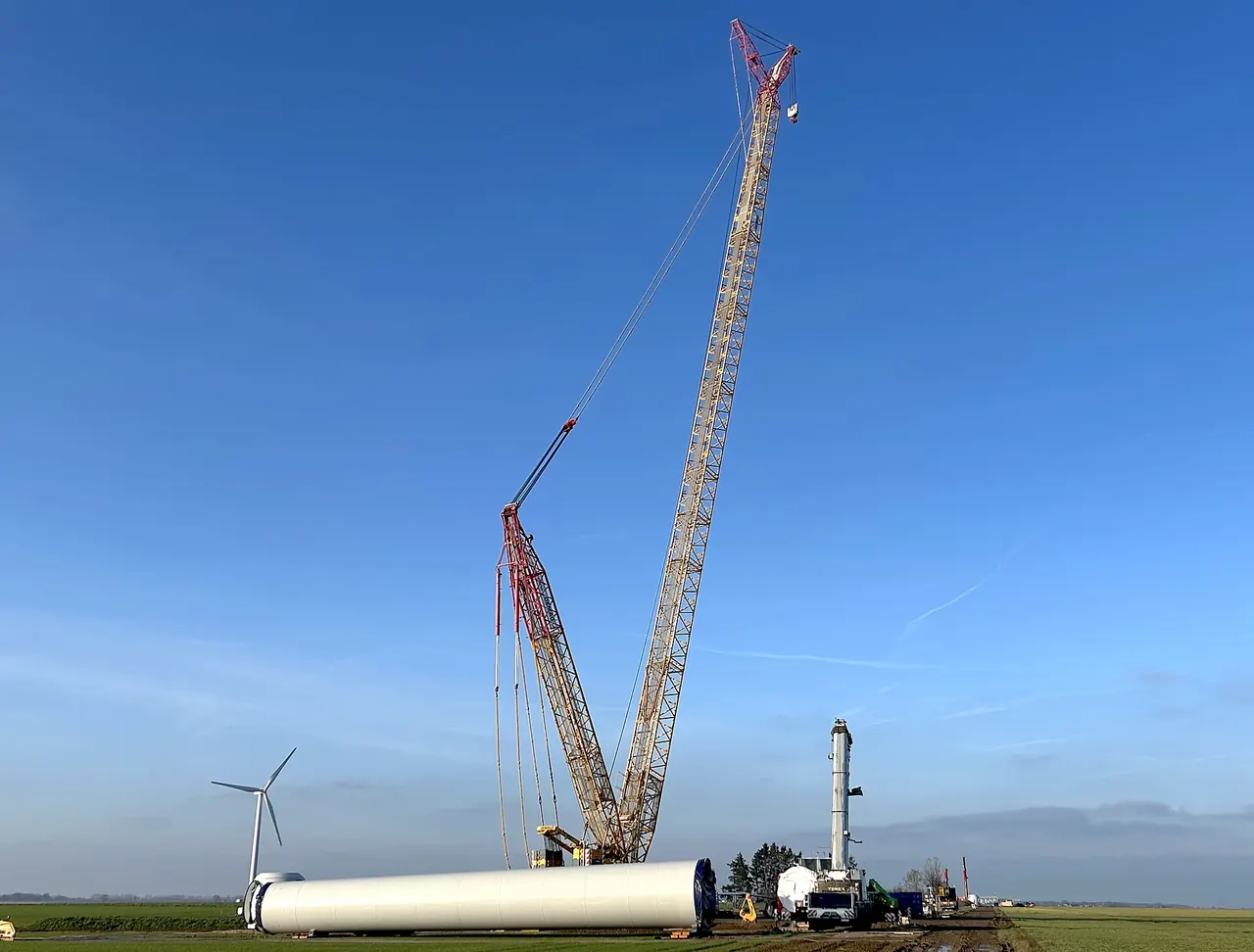
The 103.5 MW UAE Wind Program, which in Masdar’s own words uses technology to capture low wind speeds at utility scale. That is the resource problem.
Three competencies, in three separate places. What I keep coming back to is that a near-shore Gulf wind farm would be the first job asking all three to work at once: marine construction, regional operating conditions, and machines that earn a return in slow air. Bahrain’s entry point is water.
Two gigawatts of exploration is a headline. A low-wind-speed turbine turning in salt water is an engineering brief.
That agreement was signed more than two years ago and I make no claim about where it stands today. The question I would put to the room is narrower. When a Gulf state does go offshore, does it import the North Sea playbook or write its own?