Egypt has just written a plan to add 21 gigawatts of renewables in four years. Nine tenths of it arrives in the last three.
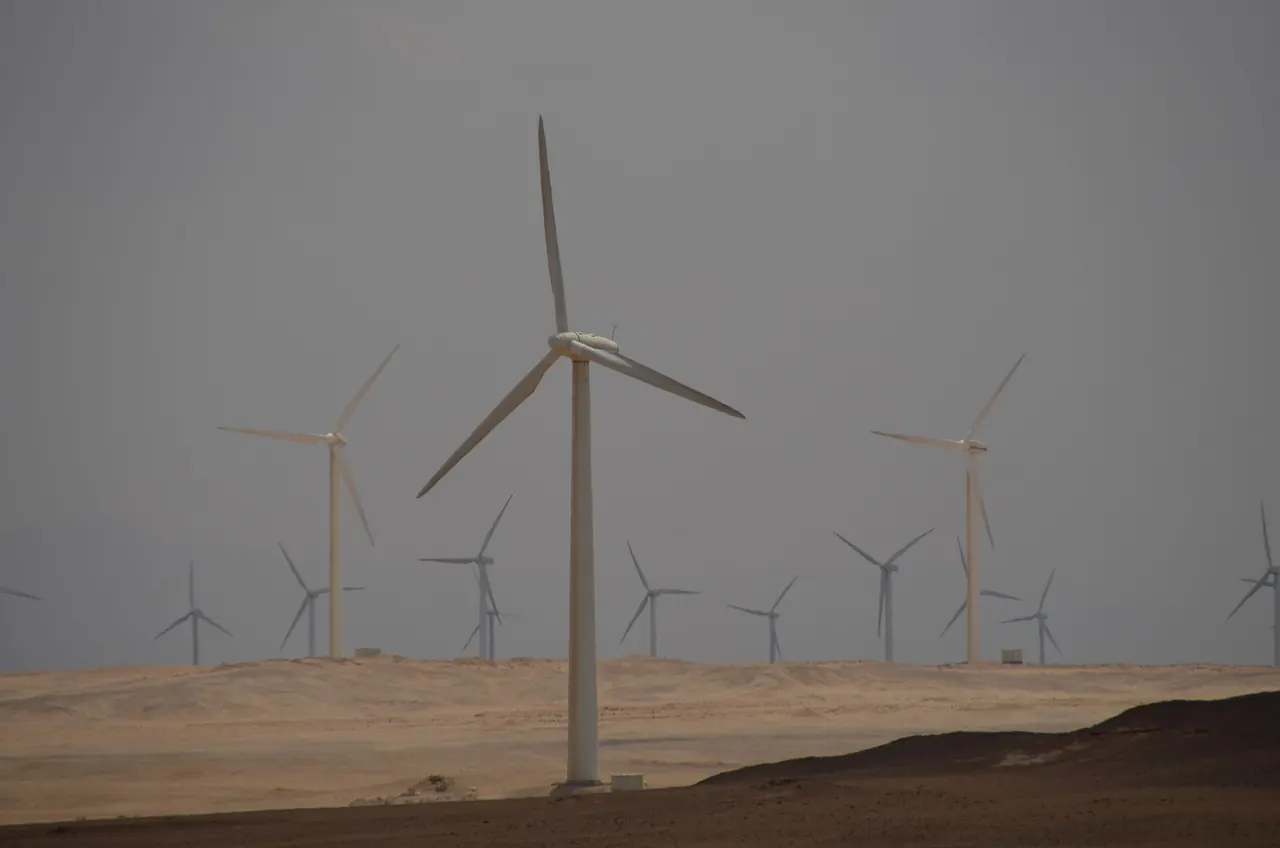
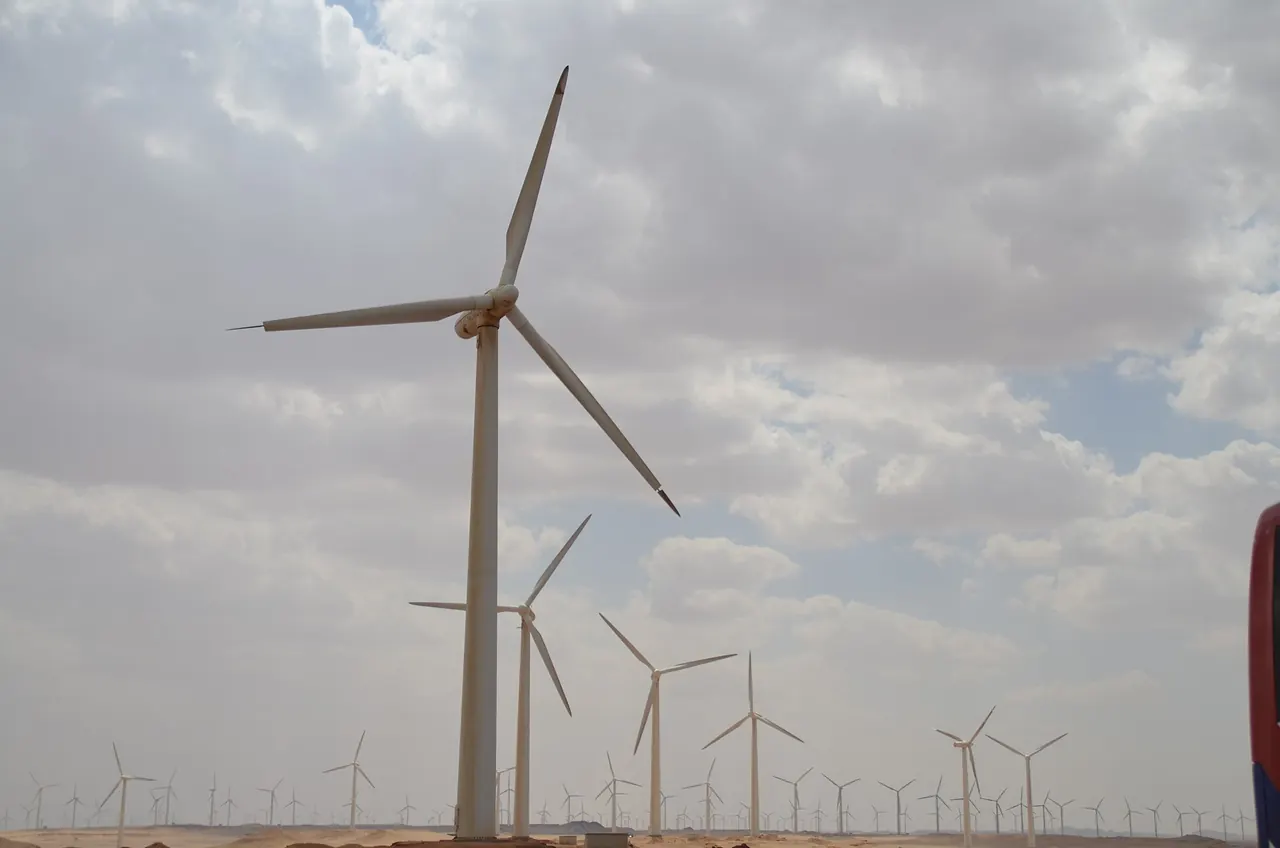
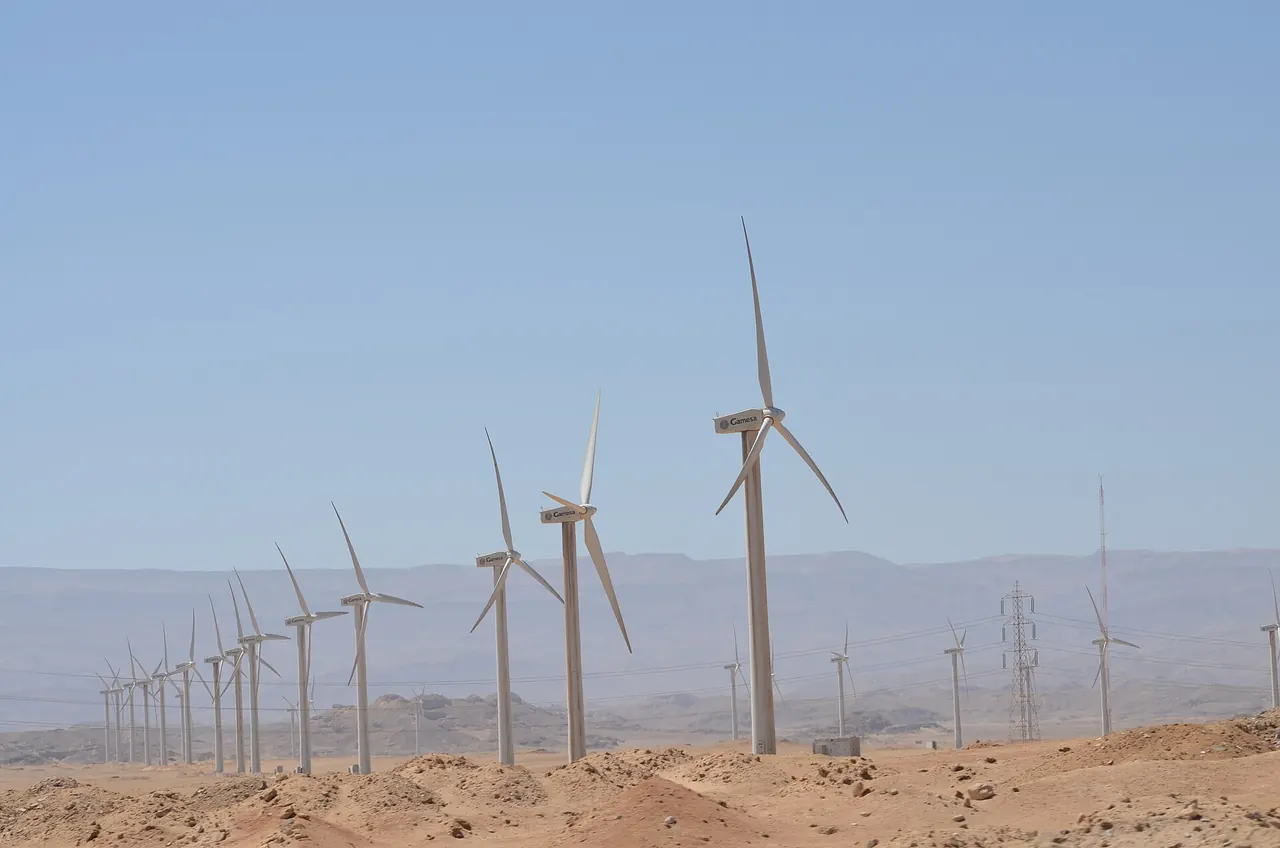
Minister of Electricity and Renewable Energy Mahmoud Esmat presented the roadmap to Prime Minister Mostafa Madbouly this month. Installed renewable capacity triples from 9.5 GW today to 30.7 GW by the end of 2029, with renewables reaching 42% of power generation by 2030. Wind carries the largest single block in that plan: it rises fivefold to 15 GW, ahead of solar at 12.7 GW, with hydro flat at 2.98 GW. The near-term step is far smaller, 11.21 GW by the end of 2026 against 8.54 GW at the end of last year. Renewables produced a record 35.19 TWh in 2025, 14% of generation. Gas still supplies 79%.
Why it matters
MEES frames the roadmap as a way to cut gas out of the generation mix and ease Egypt’s reliance on LNG imports. A gas producer that now imports LNG has answered with more wind capacity than solar capacity. I read that ordering as a fuel-substitution bet rather than a diversification one, and it is an argument that travels to every import-exposed grid.
What it means for MENA
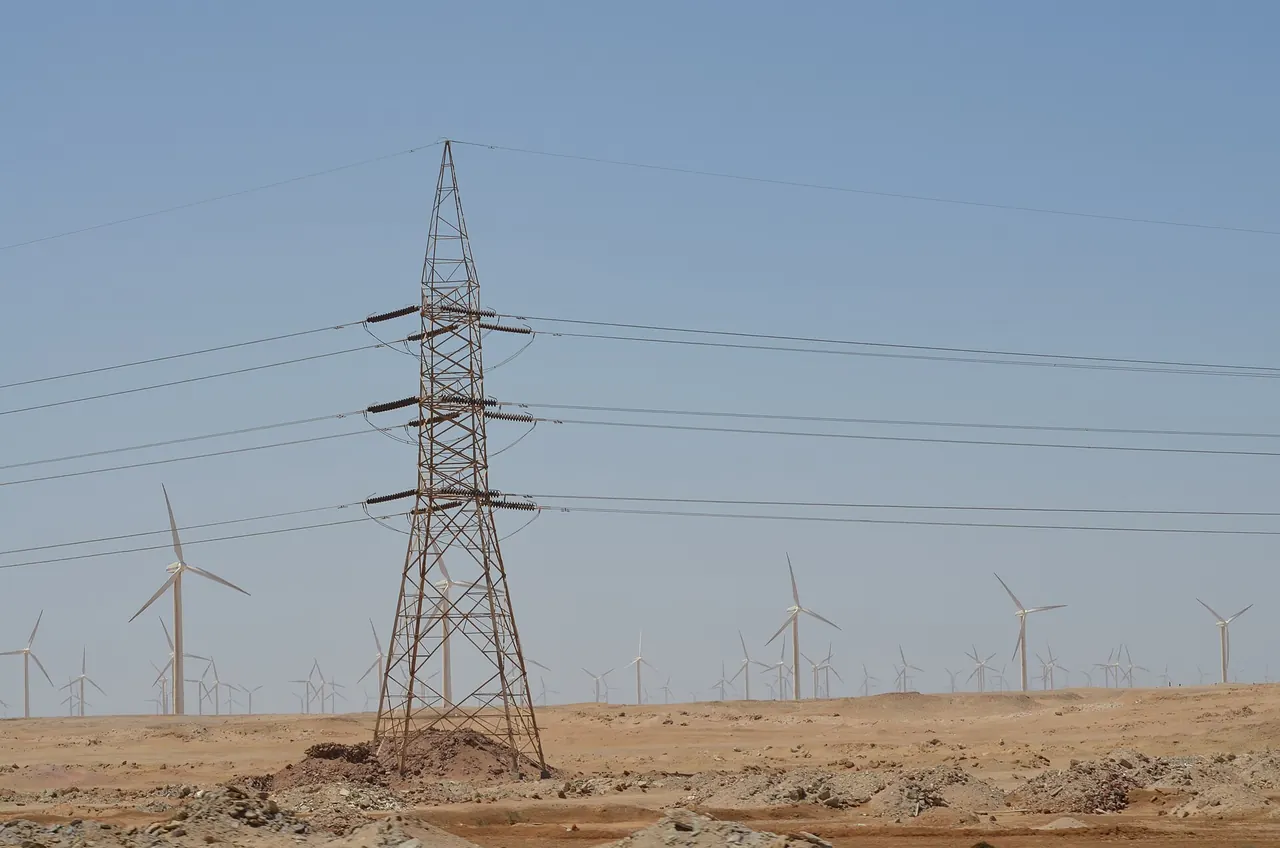
We find the ambition credible. The calendar is where the risk sits. Roughly 19.5 GW has to be contracted, financed and connected between 2027 and 2029, after Egypt reaches only 11.21 GW next year. Whether EETC can award and evacuate at that cadence is what the 15 GW number actually tests.