What happens when Egypt and Saudi Arabia get a power highway between them?
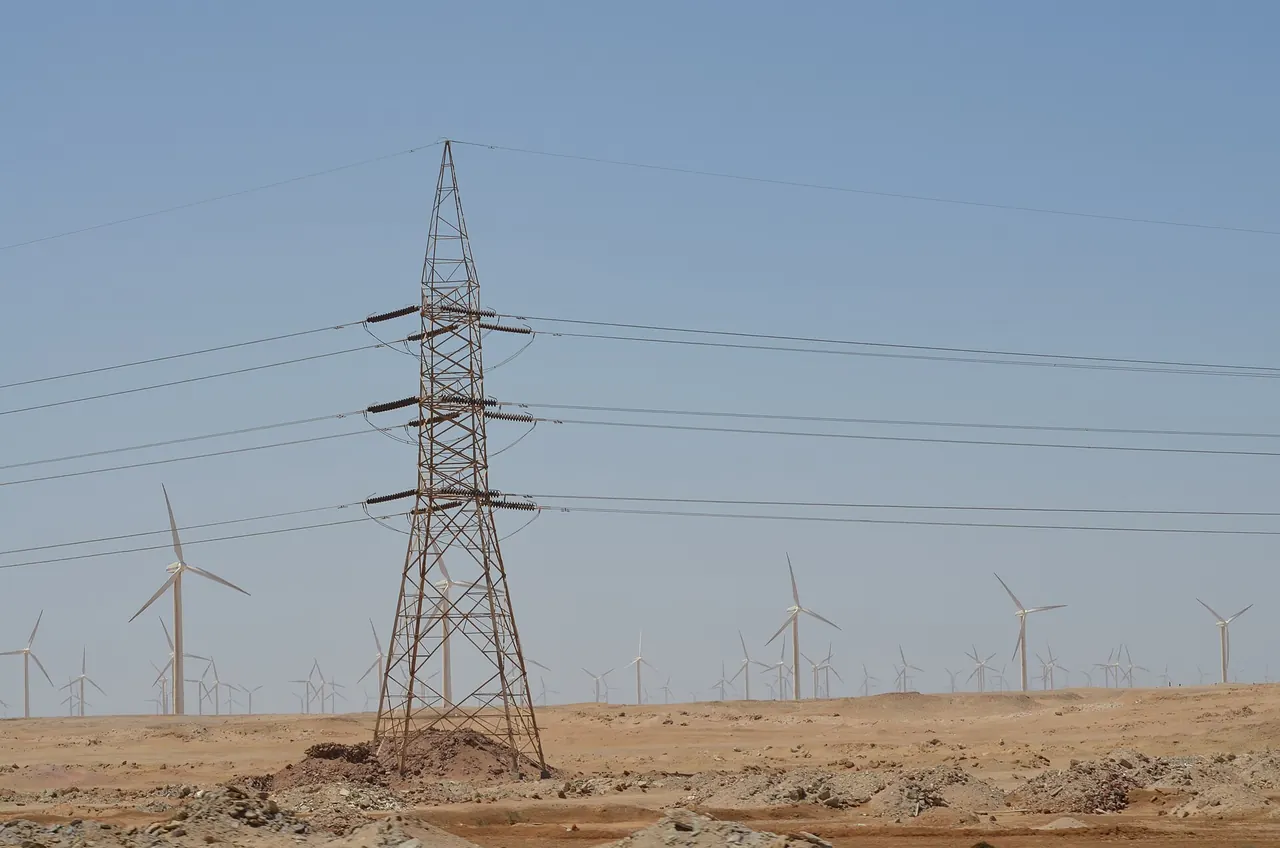
The final stages of technical testing on the Egypt to Saudi Arabia electricity interconnection have been completed, Al Arabiya reported, citing an unidentified source, and Cairo is reportedly planning to bring the first 1,500 MW phase online before the end of the second quarter of 2026, ahead of summer peak demand. In February, President Abdel Fattah El-Sisi stressed the importance of having that first phase running for the summer peak. Converter stations at East Medina and Tabuk in Saudi Arabia and Badr City in Egypt are joined by 1,350 kilometres of overhead lines. Capacity doubles to 3,000 MW once the project is complete. Egypt and Saudi Arabia awarded 1.8 billion dollars in contracts for it in 2021.
What to look for
The technology choice carries a lot of weight here. HVDC moves bulk power across long distances with low losses, which is what variable wind generation needs to travel from where it blows to where it is used. If Egyptian and Saudi demand and wind output peak at different hours, each grid can shave its peaks using the other country’s surplus. Watch for the confirmed energisation date and for the first published flow data across the link.
What it means for MENA
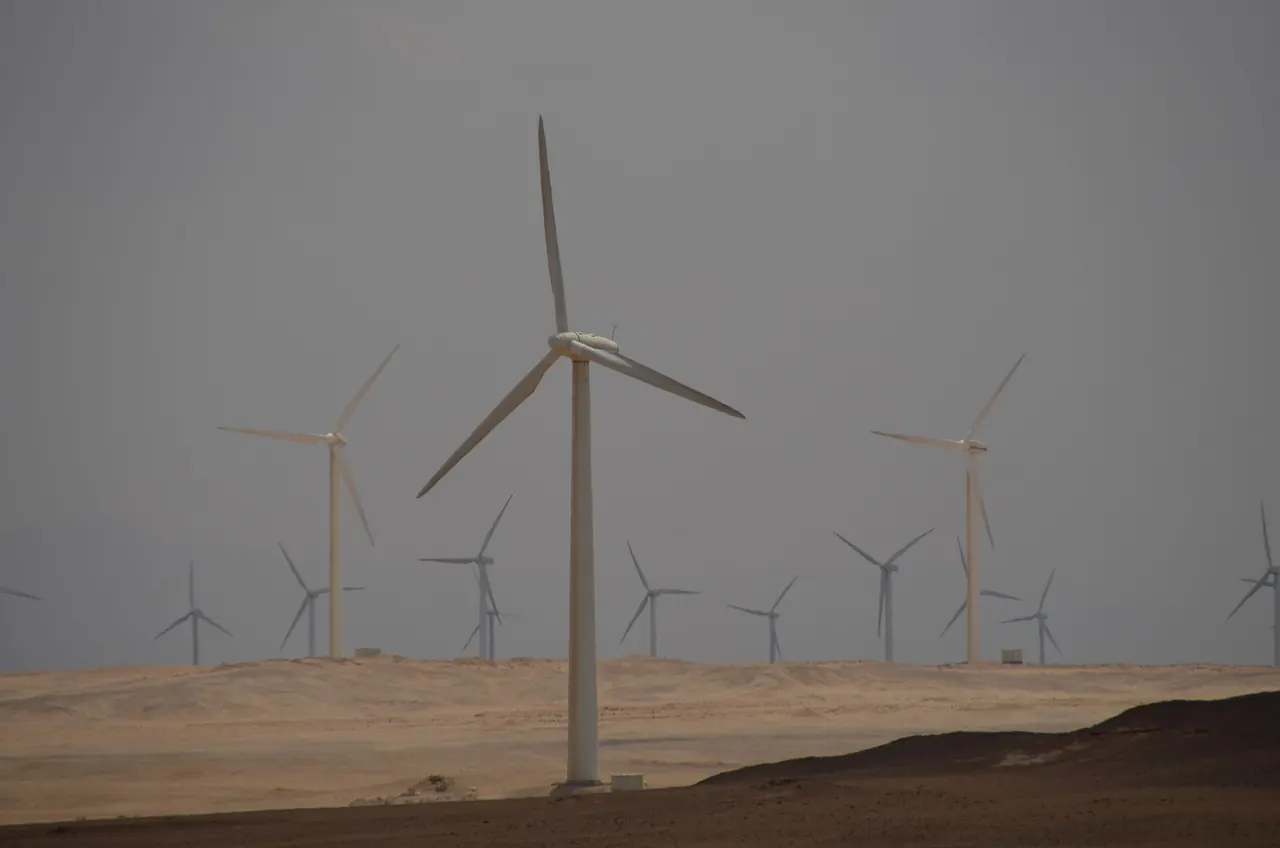
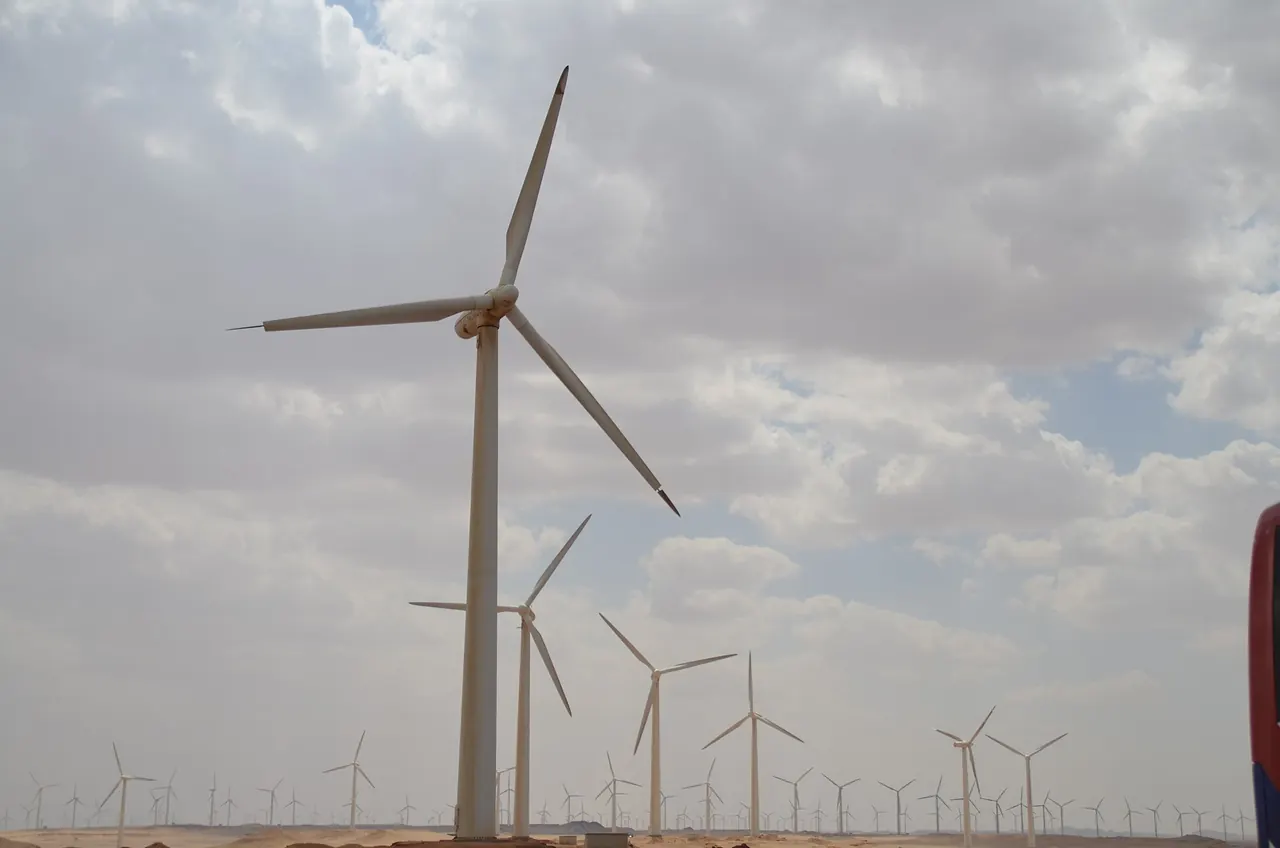
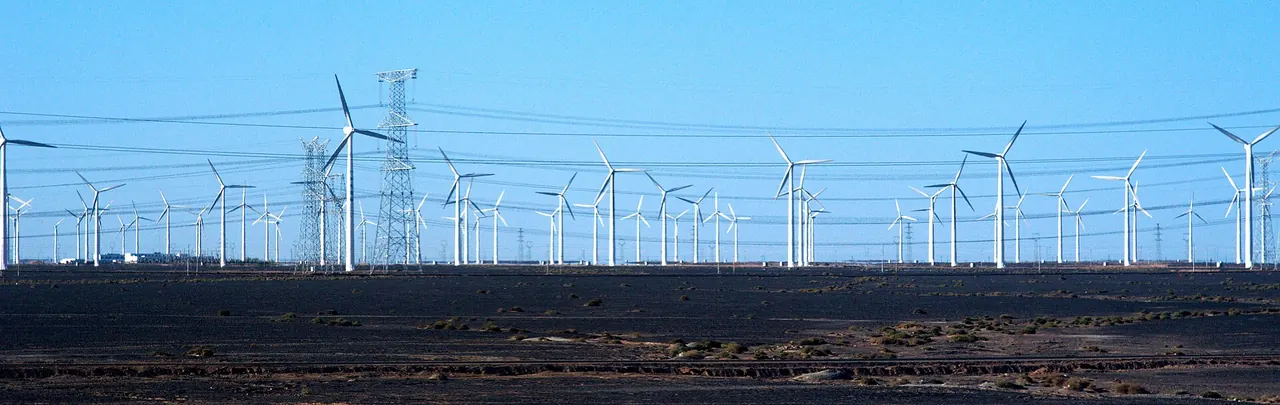
Wind power in this region has been a national story until now. Once this line energises, we think it starts to become a regional resource. Asset owners on both sides could price firm power that crosses borders, which would improve bankability for new wind farms and cut curtailment risk during low demand windows. A working Egypt to Saudi line would give other MENA countries a template for renewable integration at scale, and in our reading it moves the conversation from generation alone toward generation plus transmission as the binding constraint.
We see the summer of 2026 as the first test of MENA wind as a cross border product. Which regional link should come next?