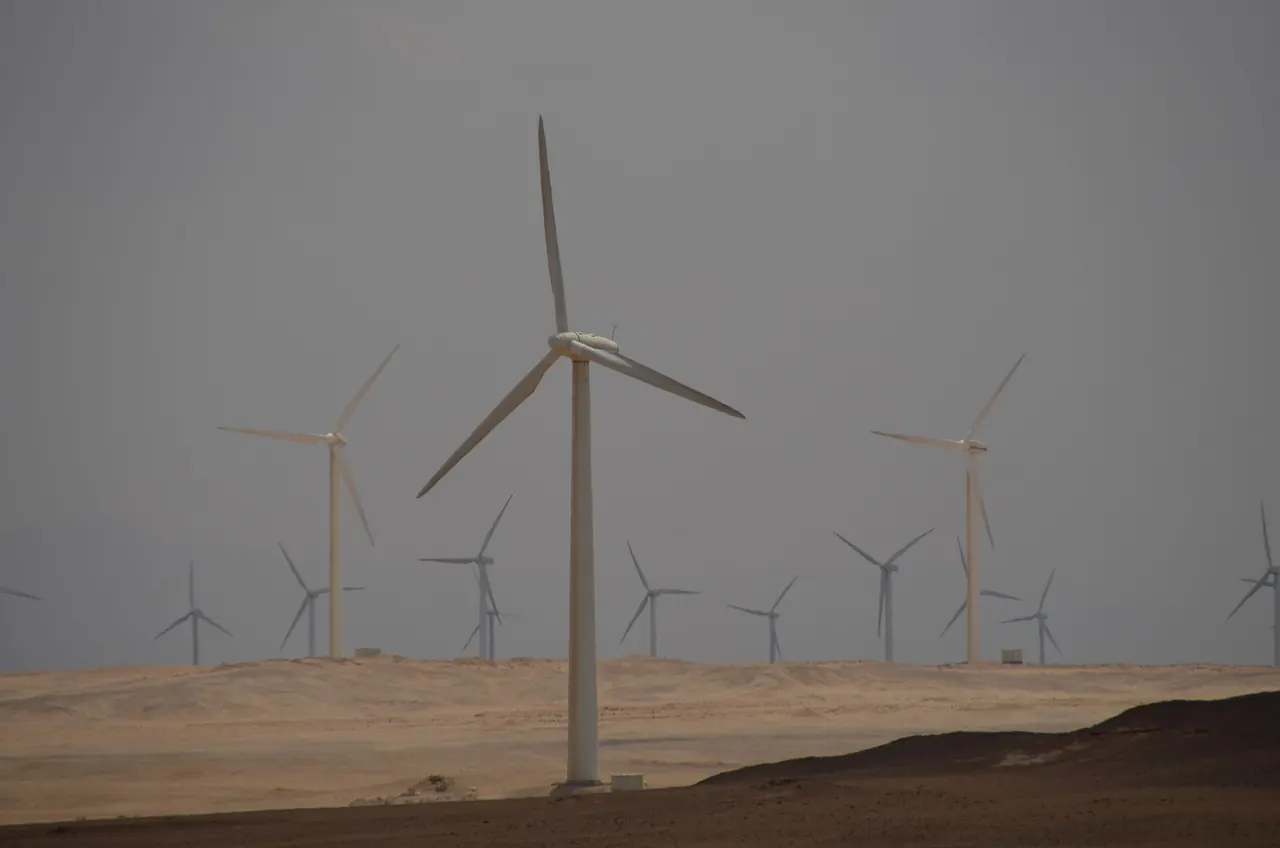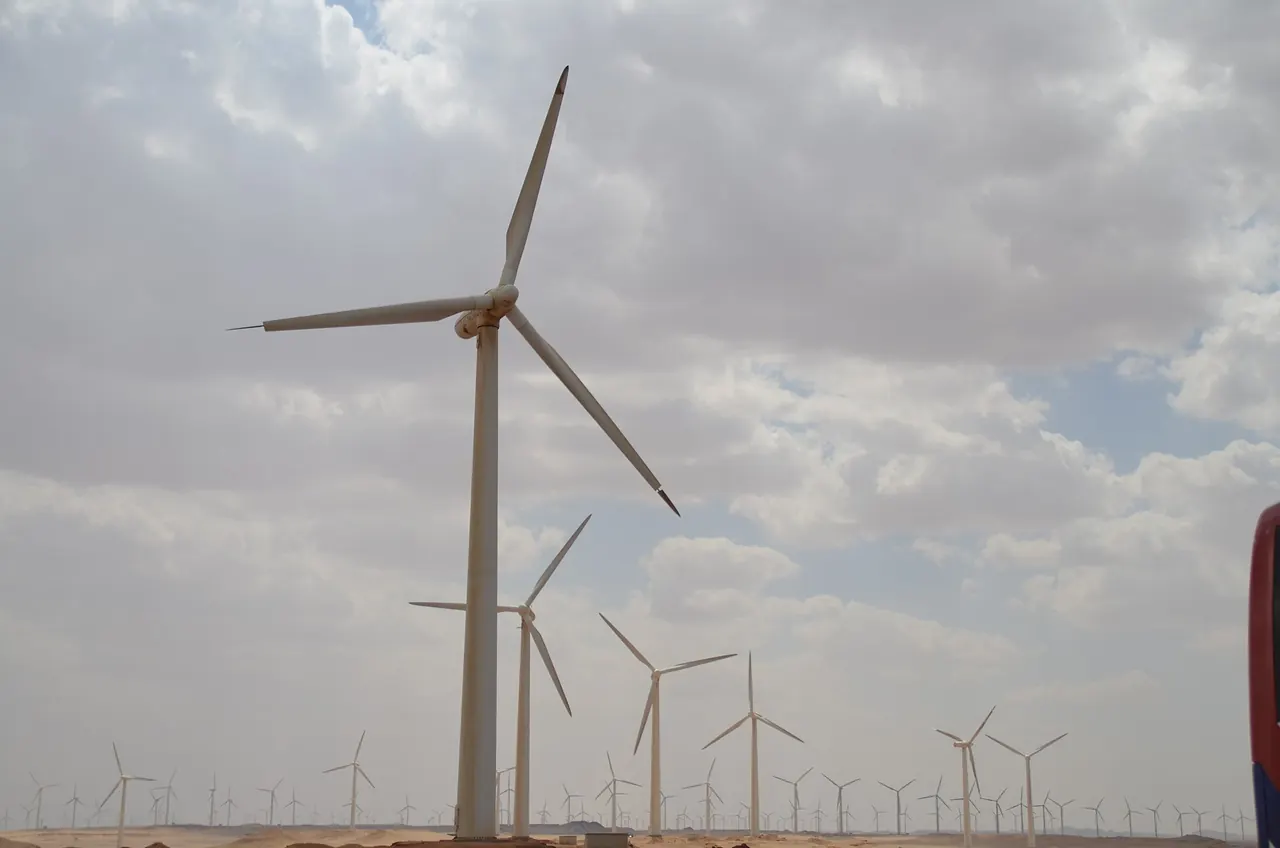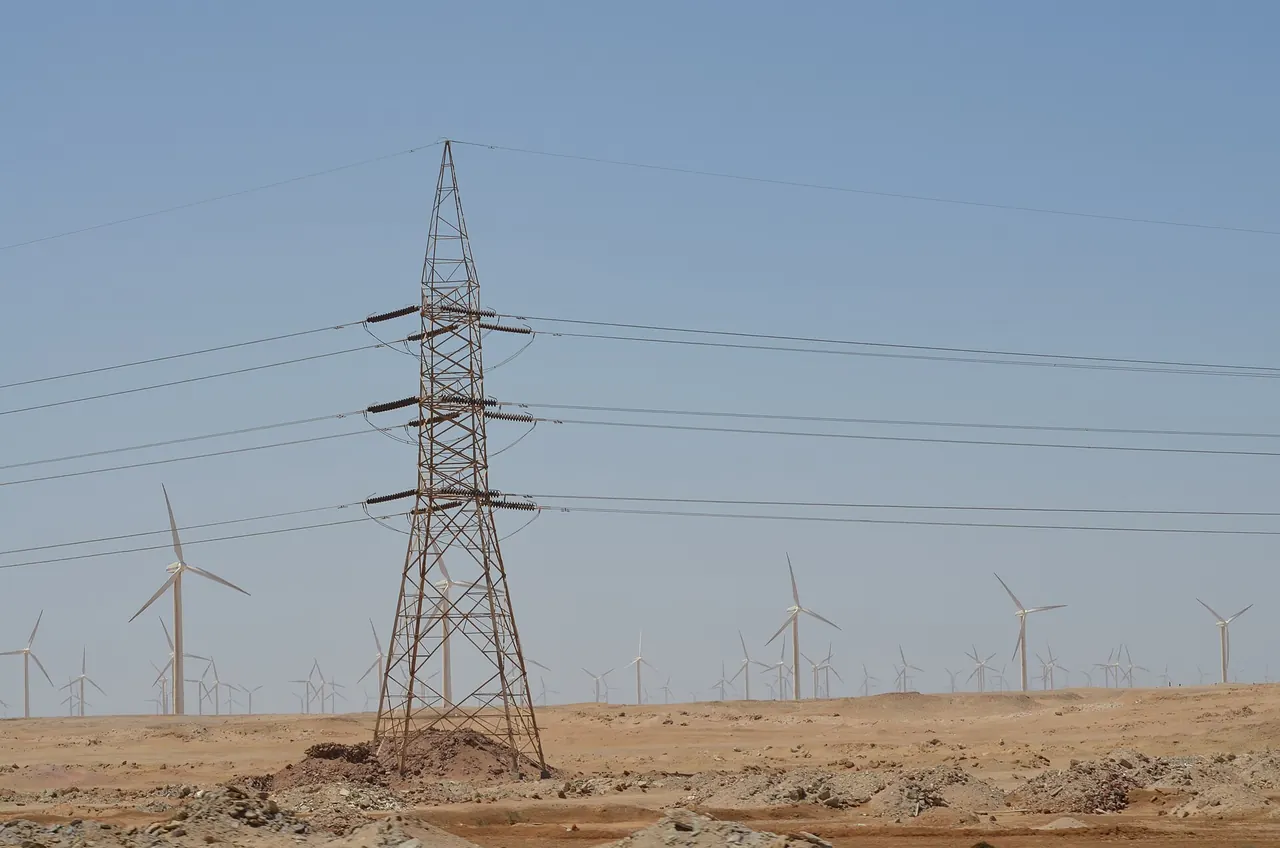
Egypt just pulled its 2030 renewables target two years forward and lined up almost 5 gigawatts of wind to make it happen.
On May 4, Cairo signed a fresh cooperation agreement between Tahya Misr Holding Company, the Ministry of Electricity, and the Ministry of Finance to develop 4,750 MW of new wind capacity paired with 4,000 MWh of battery storage. The wind farms are slated for the Gulf of Suez, Ras Shukeir, Galala, and Zafarana, while batteries will be deployed south of Cairo, in Damanhur, and at Wadi El Natrun. Tahya Misr is taking on financing and implementation, with electricity priced in Egyptian pounds and a two year delivery window. The headline number sits behind it all, 45% renewables by 2028, replacing the old 42% by 2030 target.
What to look for
The financing route is the part we would watch most closely. In our read, a state-owned holding company financing wind with electricity priced in local currency takes hard currency risk off the table for the projects. The four wind sites all sit along the Gulf of Suez coast. The storage layer is built into the plan rather than bolted on later, with 4 GWh of batteries sited south of Cairo, in Damanhur and at Wadi El Natrun, and we read that as Egypt treating wind plus storage as one system. The two year build target is aggressive, which puts immediate pressure on turbine OEMs, civil contractors and the national electricity transmission company that has to connect it all.
What it means for MENA
We read this as a reset of regional ambition. Cairo is telling the rest of the region that 2030 was too patient a deadline. Pulling the share up by three percentage points and the date back by two years raises the bar for what other MENA governments can credibly target. The local currency pricing matters too. Our read of the deeper signal: state holding companies stepping into wind project delivery, with hard currency lenders following on rather than leading.
If Tahya Misr delivers inside two years, Egypt will have shown the region that wind ambition can be financed domestically and built fast. Who else in MENA is ready to bring their 2030 target forward to 2028?