The IEA has warned that the Iran war repair bill could slow the Gulf capital flowing into energy projects abroad.
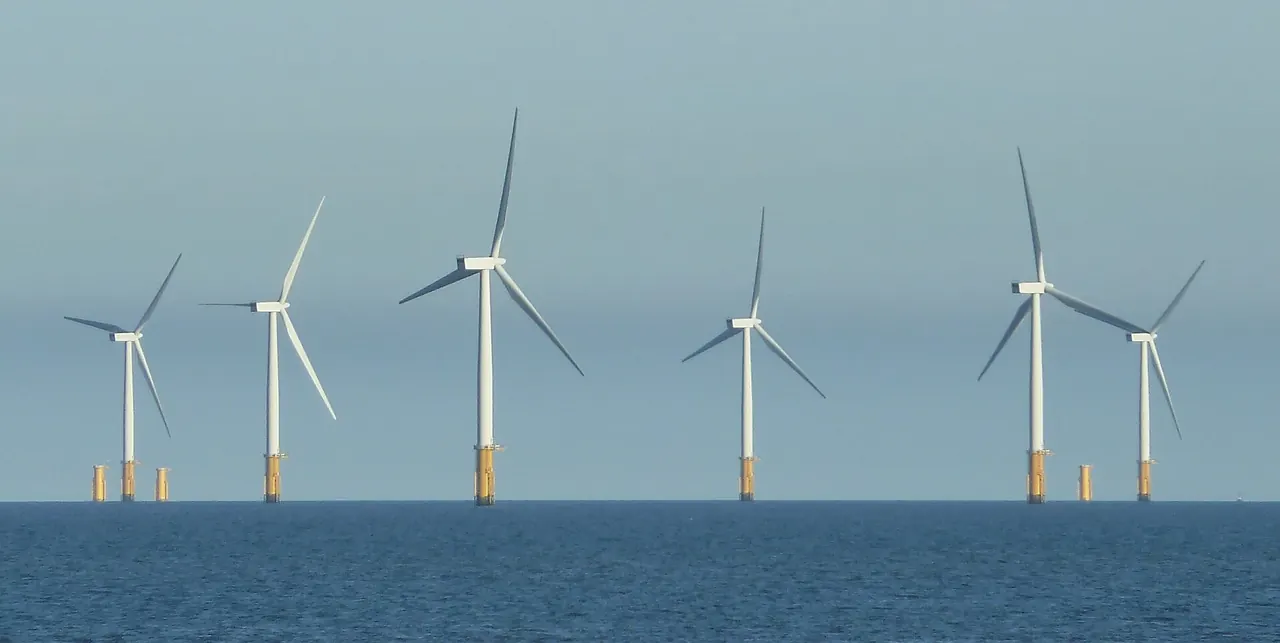
The IEA’s World Energy Investment Report 2026, covered by AGBI on May 30, says Gulf states could scale back overseas energy investments to help fund tens of billions of dollars in repairs to infrastructure damaged during the Iran war. Analysts quoted by AGBI say the amount, including repairs in Iran, could reach $58 billion. The IEA writes that the repair costs “could reduce outward capital flows, which have been a growing source of financing for infrastructure and energy projects in other regions.” AGBI lists Masdar’s 49 percent stake in the £11 billion Dogger Bank UK wind development among the Gulf’s international energy holdings. BNP Paribas estimates GCC investors sent a net $271 billion abroad in 2025; Gulf sovereign wealth funds manage around $6 trillion per Deloitte.
Why it matters
In our read, the IEA is putting the Gulf’s overseas energy tickets and its post-war domestic repair list on the same balance sheet, and Gulf-backed wind abroad sits on that ledger.
What it means for MENA
Gulf sponsors have been writing large offshore wind equity tickets abroad while domestic pipelines grow at home. The IEA framing puts those two strands in tension. Watch whether Gulf sovereigns continue to write nine-figure offshore wind equity tickets through H2 2026 or whether the rotation tilts firmly home.