IRENA just turned the Middle East energy crisis into a policy blueprint.
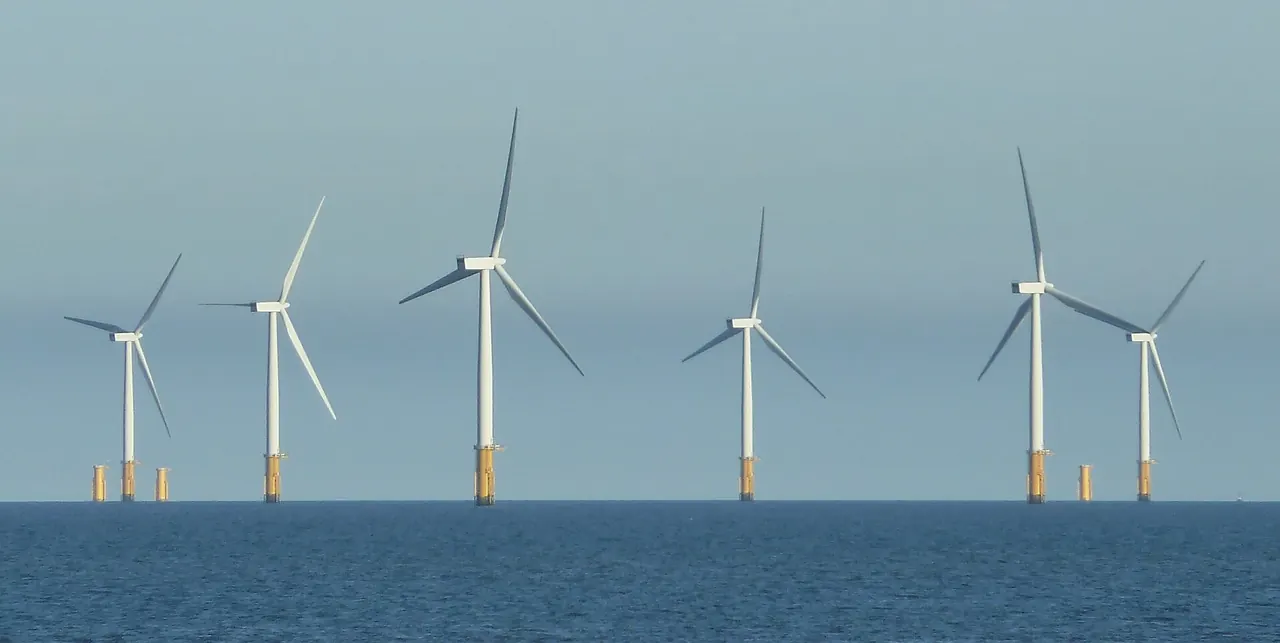
On April 13, the International Renewable Energy Agency released a new advisory titled “Renewables: From Energy Crisis to Energy Security.” IRENA says the crisis stemming from the conflict in the Middle East exposes the structural weakness of energy systems that still rely on fossil fuels, and of markets where oil and gas prices drive electricity prices. The advisory sets out short, medium and long-term actions, and urges policy makers to direct investment and emergency responses toward faster deployment of renewable power and the electrification of energy-consuming sectors. IRENA anchors the argument in the record 692 GW of renewable capacity added globally in 2025. Governments are urged to fast-track distributed renewables, adopt time-of-use tariffs, and roll out hybrid mini-grids in weak-grid regions.
What to look for
Watch which MENA governments translate the IRENA brief into tender timelines this quarter. The signals we would look for are faster PPA cycles, bigger round sizes in Saudi Arabia and Egypt, and the first meaningful moves on time-of-use tariffs.
What it means for MENA
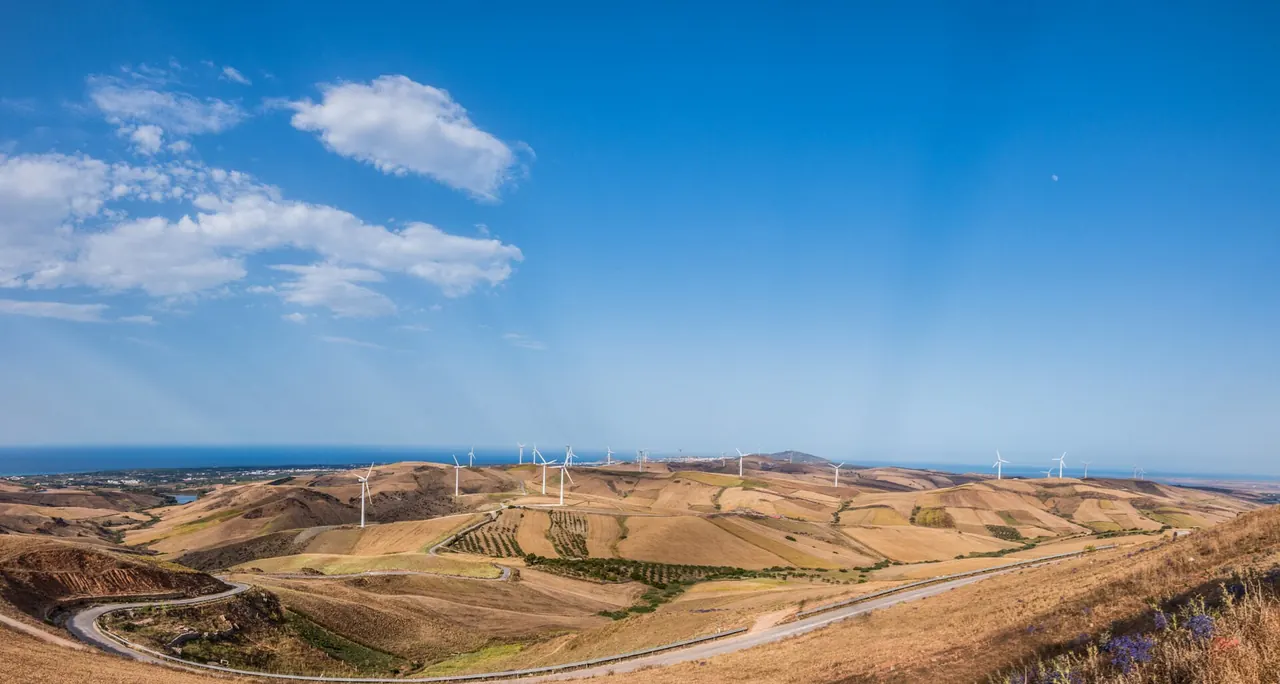
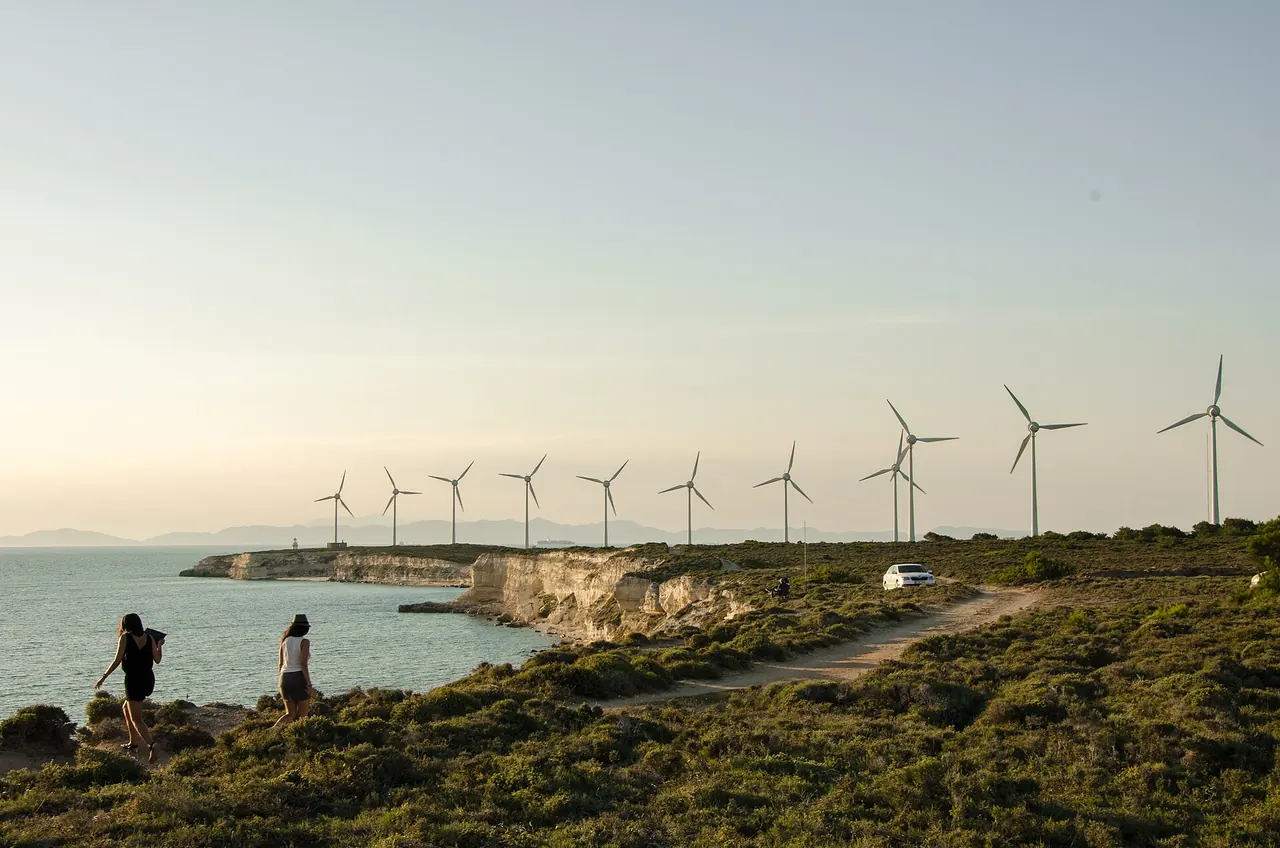
The region has wind resource and, now, geopolitical pressure to act. We read the IRENA brief as a policy invitation rather than a forecast. Which MENA government turns it into a tender first?