Nama Power and Water Procurement’s chief executive gave a number at the Dhofar II signing that I have rarely seen repeated. The wind farm will free up around 76 million cubic metres of natural gas a year.
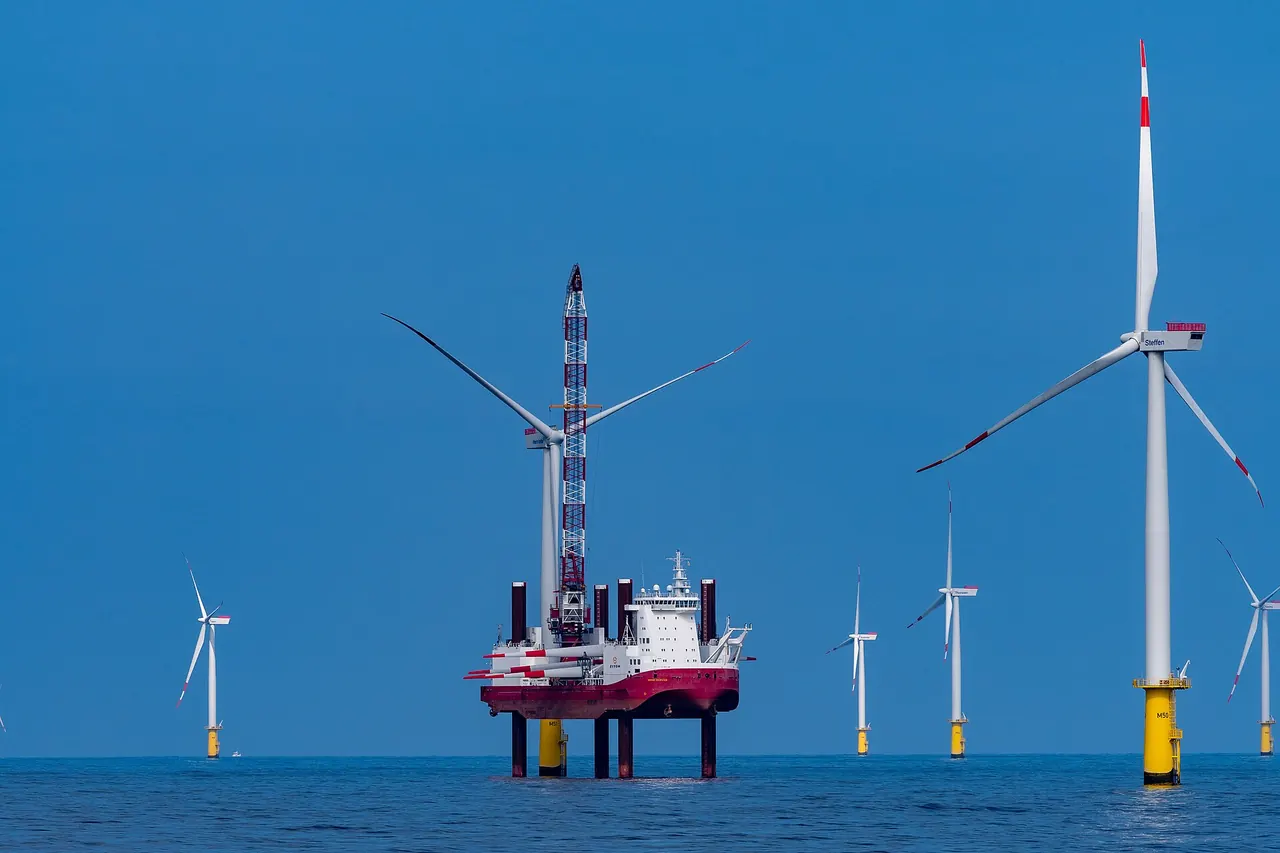
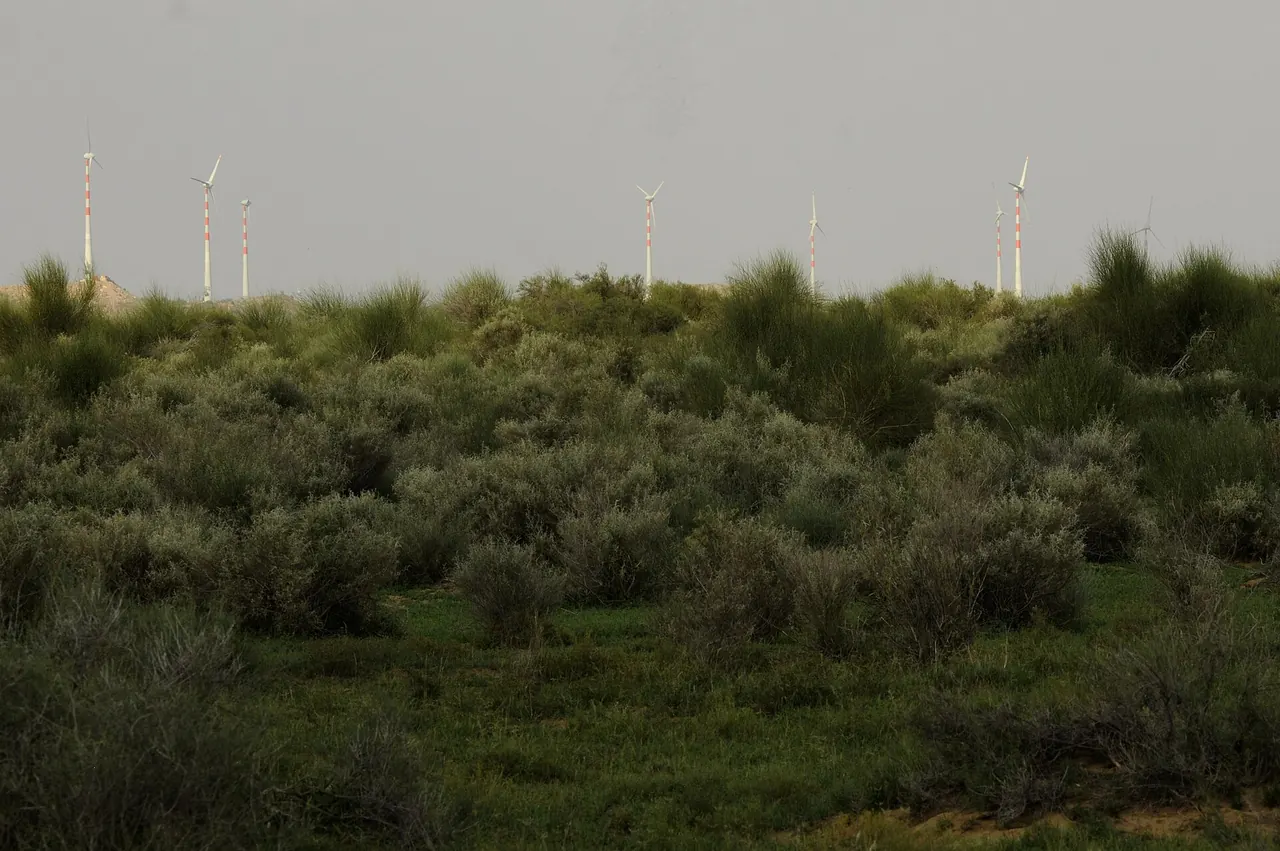
The rest of the project reads normally. Dhofar II is 125 MW, twenty Windey WD200 turbines at 6.25 MW each, 215 metres to the tip, built and owned by Sembcorp and OQ Alternative Energy under a 20-year power purchase agreement, commercial operation targeted for the third quarter of 2027. Annual generation of roughly 396,754 megawatt-hours. Ahmed bin Salim Al Abri put the gas figure beside it in the same statement.
Divide one by the other. Every megawatt-hour Dhofar II makes hands Oman back about 192 cubic metres of gas. Read backwards, my arithmetic puts that close to what a combined-cycle plant burns to produce the same unit.
Then look at where Omani gas goes. The country shipped 11.9 million tonnes of LNG in 2025, eighth largest exporter in the world at 2.7% of global trade, against installed liquefaction capacity of 10.4 million tonnes a year. The International Gas Union put Oman above nominal capacity for the year. My read is that feedstock, more than nameplate, is what limits those trains.
I read Dhofar II’s contract as paying Oman twice. Nama PWP buys electricity at a tariff. The state collects molecules back, in a system whose export plants ran past their nameplate last year.
We keep judging Gulf wind tariffs against the domestic cost of gas. What does the same tariff look like priced against the export gate?