

Installed capacity, pipeline and named projects will appear here, each figure linked to its source.
Coverage
Oman books the world wind conference for December 2027, with two wind farms due first
The first World Wind Energy Conference in the Gulf gives Dhofar II and Jaalan Bani Bu Ali a public deadline. 1 min read
Oman will host the 23rd World Wind Energy Conference (WWEC2027) in December 2027, which Oman Observer reports as the first edition in the Gulf. The World Wind Energy Association board approved the decision, and the announcement came at WindEnergy Hamburg 2026. Nama Power and Water Procurement and WWEA will co-organise, supported by Oman’s Ministry of Energy and Minerals. Nama PWP CEO Ahmed bin Salim al Abri pointed to Dhofar and Al Wusta Governorates as potential centres for utility-scale wind.
Why it matters
WWEA counts more than 600 members across about 100 countries, and its flagship event has now picked a Gulf host for the first time. Developers and financiers will get to size up the market against what has actually been built.
What it means for MENA
The 125 MW Dhofar II Wind IPP (targeting Q3 2027) and the 120 MW Jaalan Bani Bu Ali Wind IPP (2027 startup) will shape what visitors see. If both land on time, Oman arrives with 245 MW of new wind and a pitch for Duqm, Mahout and Sadah. If either slips, the pitch gets harder. A conference date is a deadline with a guest list, and we will be watching the construction calendars.
O-Green installs a 9.6 MW wind turbine at Duqm to power Oman's turbine factory
The turbine near the OQ8 refinery stands on a 115-metre tower. Its power goes to Duqm industries, including the neighbouring Mawarid Turbine manufacturing facility. 1 min read
A wind turbine went up beside an oil refinery in Duqm this month, and its electricity will feed the factory meant to build the next ones.
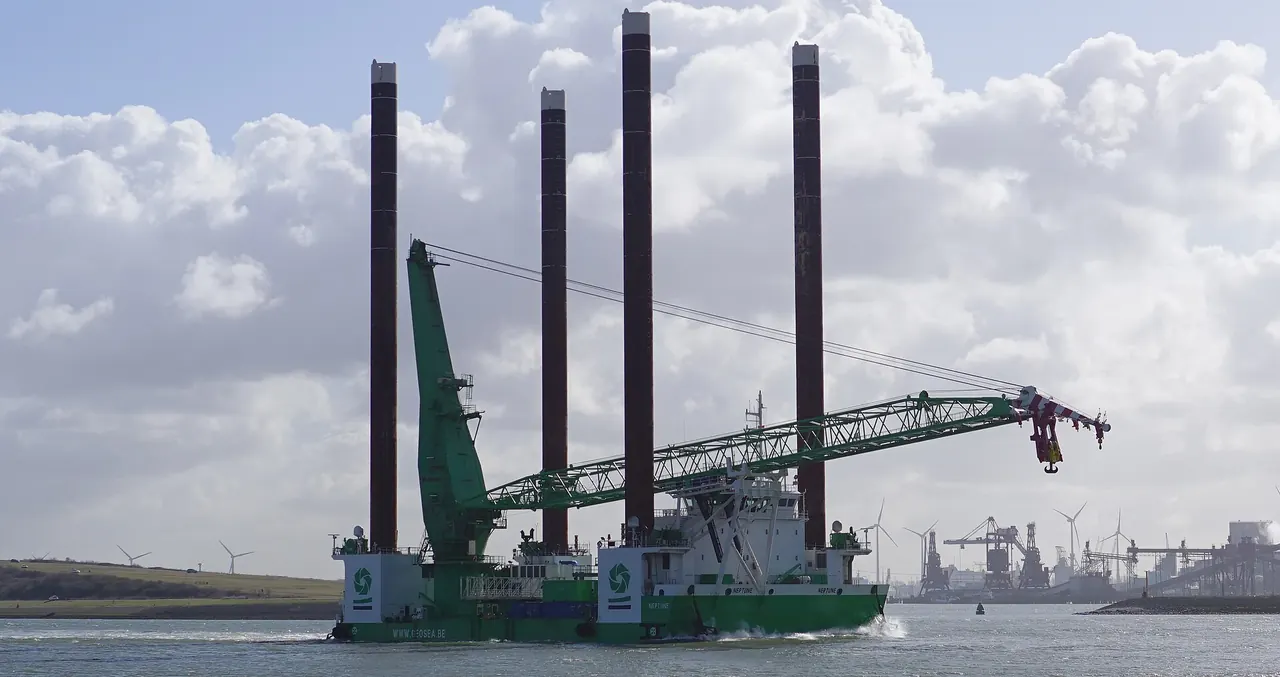
O-Green says it has installed a 9.6 MW turbine near the OQ8 refinery in Oman, on a 115-metre tower with blades close to 100 metres long. Arab News reports it as the largest onshore unit of its kind outside China. The power goes to industries at Duqm, including the neighbouring Mawarid Turbine manufacturing facility. That plant traces to usufruct agreements signed in January between OPAZ, Oman’s special economic zones authority, and Mawarid Turbine, covering three plots at Duqm: one for the factory, one for a single turbine, one for five more. Arab News puts planned annual output at 800 to 1,000 MW, with a first phase costing about 70 million Omani rials, roughly 182 million dollars. O-Green says Omani contractors and specialists worked the job “from engineering and site works through construction and the complex transportation and installation of the tower sections and blades.”
Why it matters
A factory’s power normally arrives from the grid at whatever mix the system is running that hour. This one is being wired to its own product. My read is that captive renewable supply turns an industrial site’s power bill from a tariff into an owned asset, and here it happens on an estate that already runs a refinery.
What it means for MENA
Duqm now has something physical on the plot: a 9.6 MW machine standing near the factory site and feeding it. The test from here is whether the rest of the six turbines in that January allocation go up on schedule, and whether the first blades out of the shed are Omani.
Oman's first wind turbine factory signs a university to train about 321 Omani graduates
Mawarid Turbine and the National University of Science and Technology agreed in February to train graduates in blade manufacturing and nacelle assembly for the Duqm plant. 1 min read
Oman’s first wind turbine factory has a Chinese EPC contractor and a Chinese technology licensor. The part it went to a university for was people.
On 4 February this year, Mawarid Turbine Company and the National University of Science and Technology signed a cooperation agreement to qualify approximately 321 Omani graduates for the plant being built in the Special Economic Zone at Duqm. Oman News Agency described the group as the first national batch to receive specialised industrial training in wind turbine manufacturing. Mustafa bin Mohammed al Hinai, CEO of Mawarid Turbine, and Dr Ali bin Saud al Bimani, the university’s Vice-Chancellor, signed it. Dr Abeer bint Ali al Kalbani, who directs national competency development and local content at Mawarid Turbine, said the programme would start that same month and would concentrate on blade manufacturing and the assembly of nacelle units. I have not found a published account of where that cohort stands today, so read this as February’s plan rather than this month’s result.
Four months later, on 10 June, the Oman subsidiary of China Energy Engineering Corporation’s Shanxi institute took the EPC contract for roughly 90,000 square metres of workshops and supporting facilities at Duqm. Shanghai Electric Wind Power holds the technology licence and the knowledge-transfer role, which includes sending Omani engineers and technicians to China for training.
What I keep coming back to is the sourcing pattern. The plant is Omani-owned, Chinese-built and Chinese-licensed. The workforce is the one input Oman went to a domestic university to secure.
In my reading, most localisation targets in this region are written as percentages and gigawatts. My view is that blade layup and nacelle assembly are hand skills that take years to become reliable, and 321 is a number you can count.
Who is running the second batch?
Oman's 125 MW Dhofar II wind farm will free about 76 million cubic metres of gas a year
Nama PWP's CEO put the gas figure beside 396,754 MWh of annual output. Oman shipped 11.9 million tonnes of LNG in 2025, above its 10.4 Mtpa liquefaction capacity. 1 min read
Nama Power and Water Procurement’s chief executive gave a number at the Dhofar II signing that I have rarely seen repeated. The wind farm will free up around 76 million cubic metres of natural gas a year.
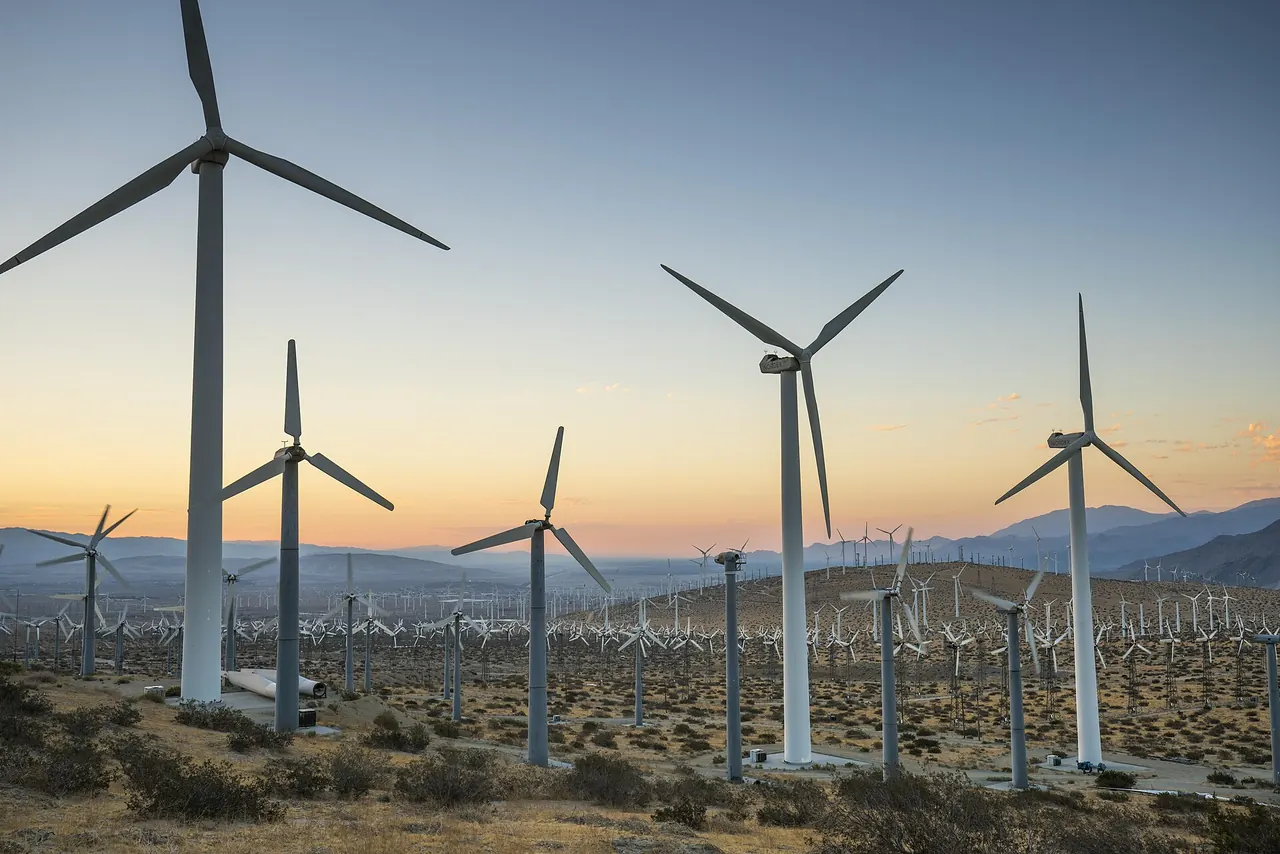
The rest of the project reads normally. Dhofar II is 125 MW, twenty Windey WD200 turbines at 6.25 MW each, 215 metres to the tip, built and owned by Sembcorp and OQ Alternative Energy under a 20-year power purchase agreement, commercial operation targeted for the third quarter of 2027. Annual generation of roughly 396,754 megawatt-hours. Ahmed bin Salim Al Abri put the gas figure beside it in the same statement.
Divide one by the other. Every megawatt-hour Dhofar II makes hands Oman back about 192 cubic metres of gas. Read backwards, my arithmetic puts that close to what a combined-cycle plant burns to produce the same unit.
Then look at where Omani gas goes. The country shipped 11.9 million tonnes of LNG in 2025, eighth largest exporter in the world at 2.7% of global trade, against installed liquefaction capacity of 10.4 million tonnes a year. The International Gas Union put Oman above nominal capacity for the year. My read is that feedstock, more than nameplate, is what limits those trains.
I read Dhofar II’s contract as paying Oman twice. Nama PWP buys electricity at a tariff. The state collects molecules back, in a system whose export plants ran past their nameplate last year.
We keep judging Gulf wind tariffs against the domestic cost of gas. What does the same tariff look like priced against the export gate?
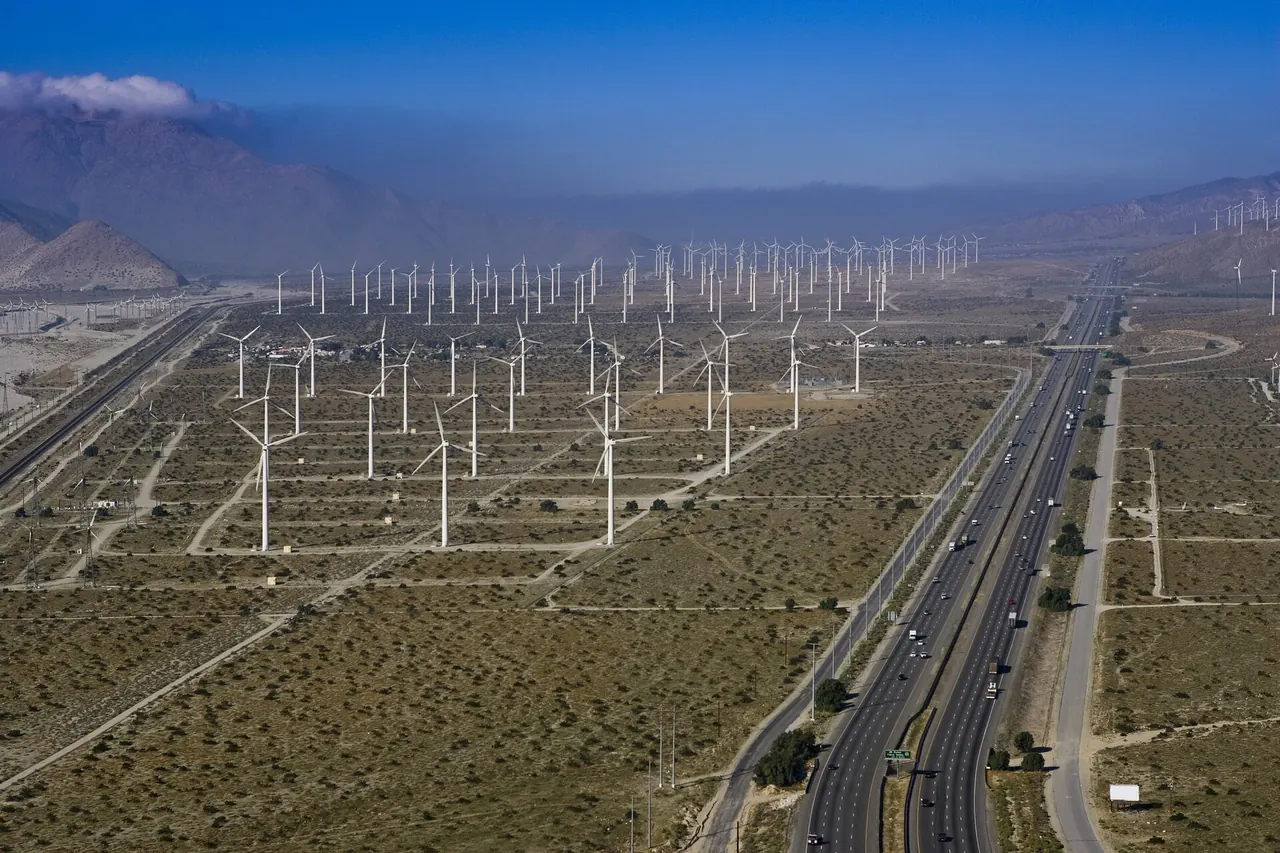
Oman tenders a renewables study for Musandam, where peak demand is forecast at 130 MW by 2031
Nama PWP put the Musandam study on sale on 24 August, covering solar, wind, hybrids and storage, with bids closing on 24 September. 1 min read
Musandam is home to about 54,000 people, an Omani enclave bordered by the UAE. Its power system has the same isolation. The Oman Observer reported in 2023 that the governorate is served by local standalone systems unconnected to the national grid.
On 24 August, Nama Power and Water Procurement (Nama PWP), the country’s sole power buyer, put a tender on sale for the Musandam Renewable Energy Feasibility Study. A techno-economic consultant will assess solar PV, wind, hybrid configurations and battery storage, then judge which of them is technically and economically justified there. Documents are available until 3 September. Bids close on 24 September at noon Oman time.
Here is the number that makes this worth watching. Nama PWP’s seven-year statement, published in March, forecasts Musandam peak demand growing from 91 MW in 2024 to 130 MW in 2031. Average demand moves from 52 MW to 73 MW. About 5% a year, on a system whose peak will be around 130 MW five years from now.
Set that against what this region now tenders. My read is that Musandam’s entire projected 2031 peak is the size of one mid-sized wind farm.
That gap is the point. In my view MENA built its wind procurement for gigawatts, with twenty-year offtake and development-bank debt stacks. Musandam poses a smaller and harder question. Does the same technology, and more importantly the same contract structure, work at a fraction of that size?
Nama PWP has weighed two routes here. One is connecting Musandam to the neighbouring UAE network. The other is building generation locally. The tender closing on 24 September pays someone to price the second route properly.
So my question for anyone developing wind in the Gulf. If the study comes back saying wind works in Musandam, is there a developer in this market built to deliver at that size, and a contract structure to put it under?
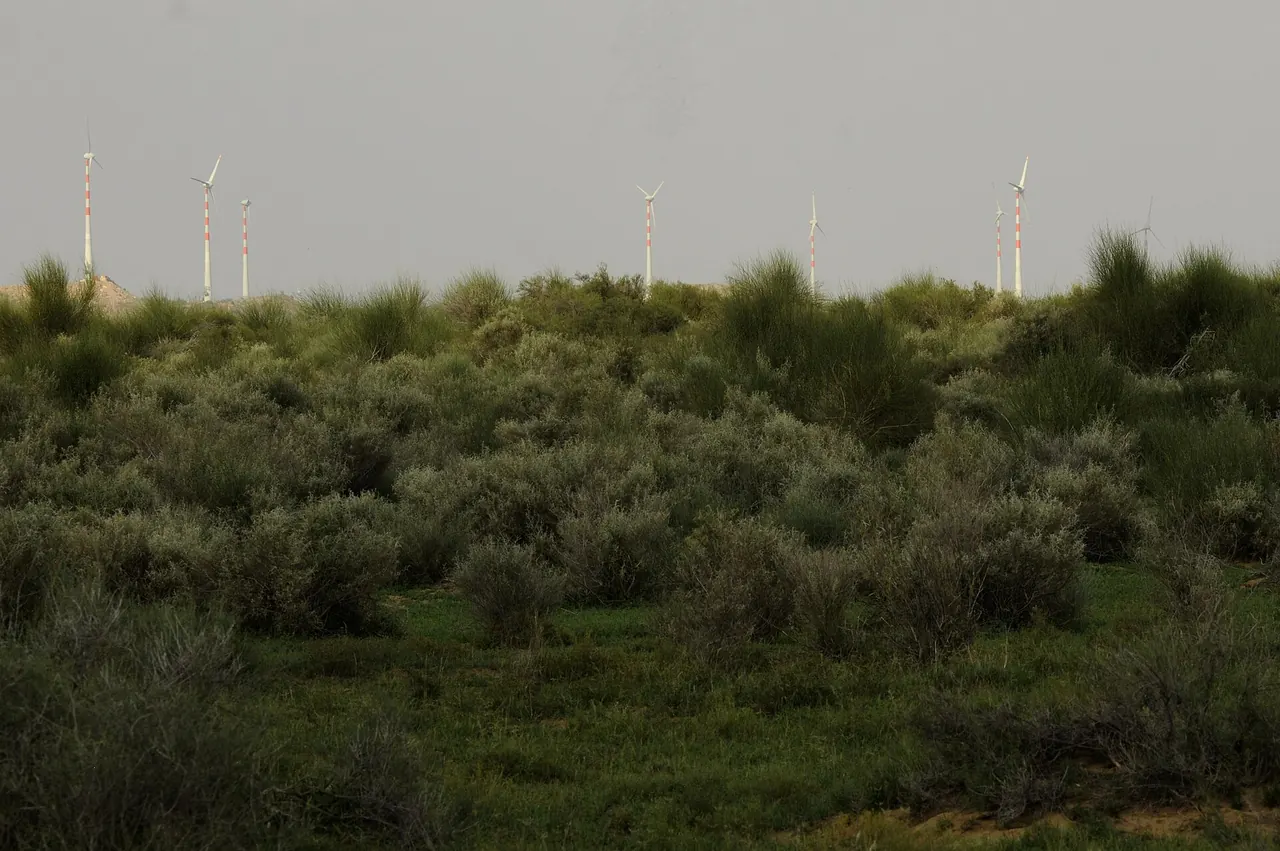
Oman's Riyah wind farms and North Oman Solar report roughly 150 jobs and 30% local spend
OQ Alternative Energy says Omanis made up about 40% of the development and construction workforce across the three projects, which total more than 330 MW. 1 min read
Thirty six turbine generators shipped in. Roughly 150 jobs.
Oman’s Riyah 1 and Riyah 2 are due online by the end of this year, and OQ Alternative Energy has published its local-content numbers. Across the two wind farms and the North Oman Solar plant, more than 330 MW combined, around 30 percent of total project spend stayed inside the national economy. Omani nationals made up about 40 percent of the development and construction workforce. Roughly 150 direct and indirect jobs, plus a community hiring programme agreed with authorities in Wilayat Adam, Shaleem and Al Jazir.
Kumail Said, acting chief executive of OQAE: “Exceeding our in-country value target by three times reflects this commitment and was deliberately planned.”
I want readers to weigh that 150 properly. Two wind farms at 200 metre tip heights, what OQAE calls the longest inland convoy the country has moved, and the resulting employment would fit in a single school hall. By OQAE’s account, the projects beat their in-country value target three times over. I read the number as smaller than gigawatt headlines suggest, and far more concentrated in a handful of towns.
That arithmetic gets tested at scale next, as gigawatt-class wind farms elsewhere in MENA move toward commissioning. Each will produce its own version of the Riyah figures, and for the ones I track I have not found published local-content or employment numbers.
Ask a MENA developer for a local-content percentage and you get one. Ask which wilayats and which trades, and in my experience the room goes quiet. Oman answered.
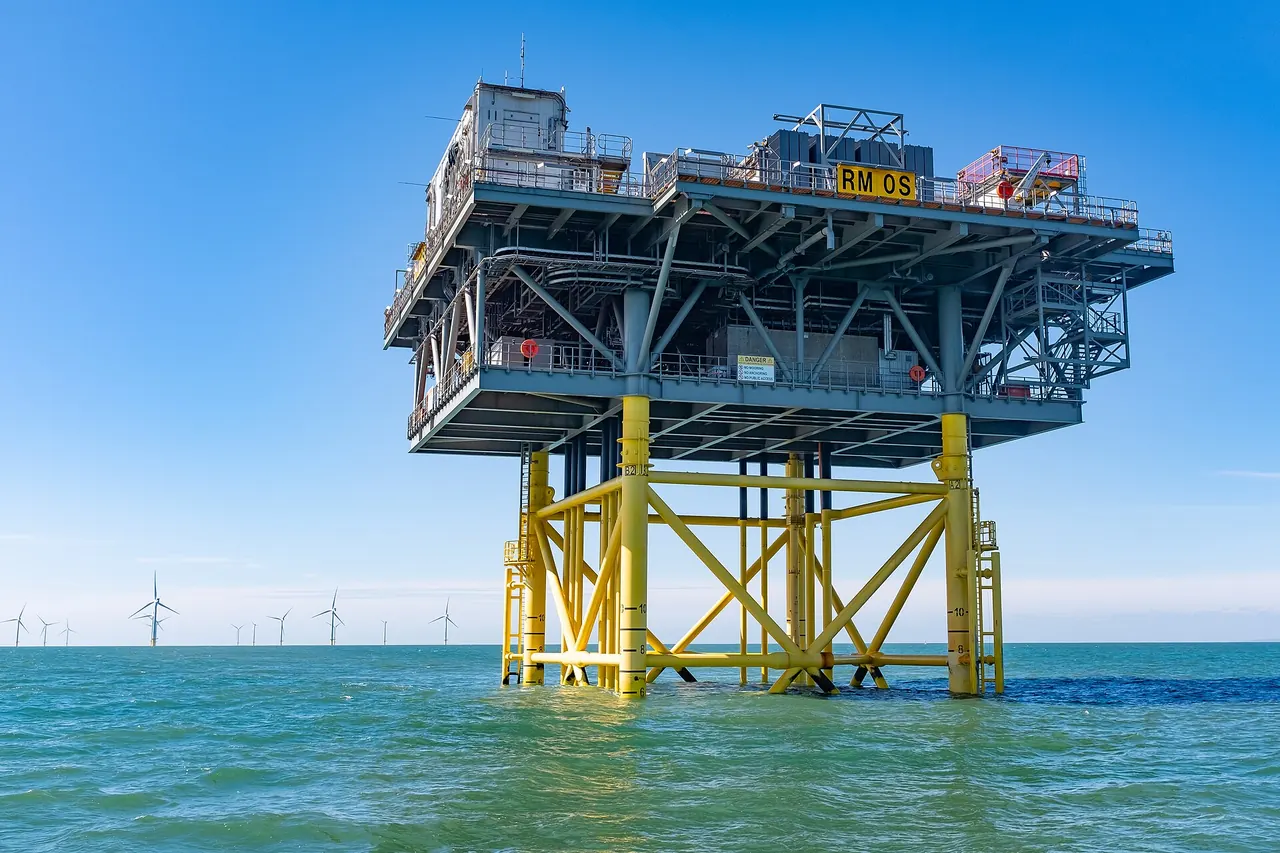
Oman's largest wind farm will sell all 234 MW to an oil field operator, not the national grid
Riyah 1 and 2 supply Petroleum Development Oman under long-term PPAs, with commercial operation due in December 2026. Nama PWP's three tendered wind IPPs have not yet been awarded. 1 min read
Oman’s largest wind farm will not send a single megawatt-hour to the national grid.
Riyah 1 and Riyah 2 are going up inside the southern part of Petroleum Development Oman’s Block 6 licence area, 18 turbines each, 234 MW combined. All 36 turbine sets reached the sites in May after 300,000 freight revenue tonnes moved through the Port of Duqm. OQ Alternative Energy holds 51 percent of the JV and TotalEnergies 49. Every megawatt-hour goes to PDO under long-term power purchase agreements. OQAE says commercial operation remains on track for December 2026.
Oman’s utility-scale wind procurement runs a slower clock. Nama PWP’s 2025 annual report, reported by Zawya Projects in May, lists three wind IPPs at Duqm (Ras Madrakah), Mahout and Sadah, tendered in the fourth quarter of 2025 and worth roughly 1,120 to 1,260 MW together. None has been awarded yet. Sadah is scheduled for commercial operation in Q4 2027, Mahout in Q1 2028. The one project already awarded in this cycle, 120 MW at Jaalan Bani Bu Ali to EDF power solutions, Al Khadra Partners and OQAE, connects in Q3 2027.
Line those dates up and an oil field gets its wind roughly three quarters before the current IPP round delivers its first megawatt.
My read is that the ordering is structural. An industrial offtaker controls the counterparty, the land, the connection point and the demand curve inside one fence, so the project skips the tender cycle, the evacuation lot and the tariff negotiation that pace grid-connected wind farms in the region. Oman is proving the shortcut at 234 MW.
Which MENA industrial operator signs the next behind-the-fence wind PPA, and does it beat its own national procurement round to commissioning again?
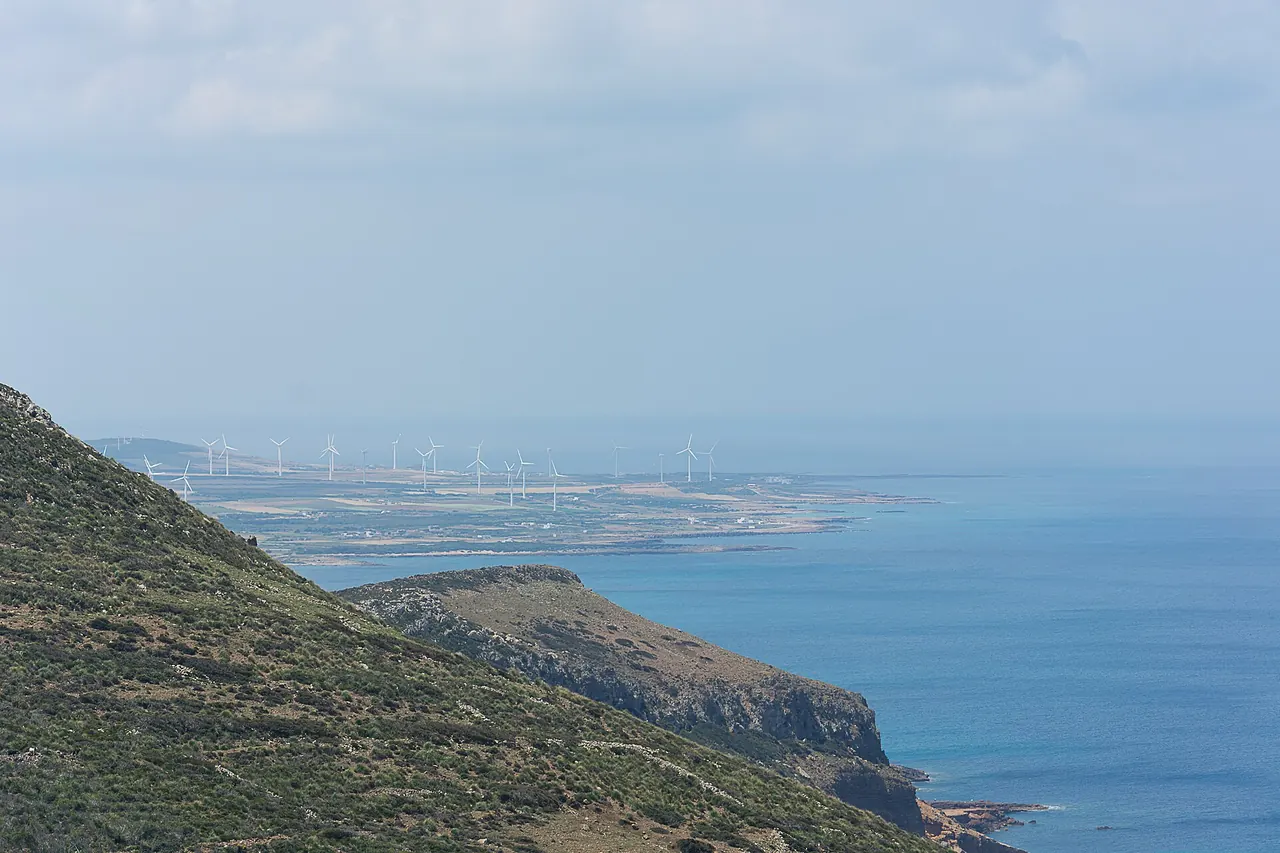
O-Green's Mustafa Al Hinai signed for 2.7 GW built to deliver nearly 770 MW around the clock
His contract with Nama PWP covers the Continuous Renewable Energy Project across Mahout and Duqm, with commercial operations targeted for summer 2028. 1 min read
On a Sunday in Muscat this May, two signatures turned 2.7 gigawatts of wind, solar and batteries into a promise of nearly 770 megawatts that never switch off.
The signature on the seller’s side belonged to Mustafa Mohammed Al Hinai, CEO of O-Green Energy, the platform Oman founded in 2025 through OQ Alternative Energy and Naqaa Sustainable Energy. The contract he signed with Nama Power and Water Procurement covers the Continuous Renewable Energy Project across Mahout and Duqm, which Oman News Agency calls one of the world’s largest hybrid continuous renewables projects, with commercial operations targeted for summer 2028.
Run the arithmetic. Roughly 3.5 megawatts get built for every megawatt guaranteed around the clock. My read is that this ratio, and the fact that a sovereign single buyer signed for it, says more about where MENA wind is heading than any headline gigawatt number.
Founded only last year, Al Hinai’s platform already reports 11 GW of generation and storage under development across 12 countries, with more than 3.3 GW secured. He calls the project “very much linked” to the Mawarid wind turbine factory under construction in Oman.
We think Oman just set the region’s benchmark: electricity sold as a product that shows up.
Which MENA buyer contracts firmness at this scale next?
Oman's grid operator schedules over 2 GW of wind for connection between 2027 and 2030
OETC's Five-Year Annual Capability Statement 2026-2030 also lists 5.7 GW of solar and a 1 GW round-the-clock project, lifting renewables from about 7% to 30%. 1 min read
Oman’s grid operator just published the 5-year plan that pins wind to over 2 GW by 2030.
Oman Electricity Transmission Company (OETC) released its Five-Year Annual Capability Statement 2026-2030 this month. It schedules over 2 GW of wind, 5.7 GW of solar, and a 1 GW round-the-clock renewables project for grid connection between 2027 and 2030. Battery storage systems and cross-border transmission upgrades sit around the buildout. The plan lifts Oman’s renewables share from about 7% today to 30% by 2030. Reported by MEES on July 3 and Renewables Now on July 7.
My read: grid operator schedules are the last mile between announcement and commissioning. When OETC publishes hard connection dates, the tender rounds and PPA signings from Nama PWP finally have a path to the meter.
Oman’s wind fleet moves from about 120 MW today to over 2 GW inside four years, anchored on the Mahoot, Duqm, and Sadah wind IPPs. We read the statement as a working template for smaller markets whose grid operators are drafting their next capability statements.
O-Green plans a 58 MW Duqm wind pilot with six 9.6 MW turbines, the Middle East's largest
The pilot is expected to generate around 190 GWh a year to decarbonise the wind turbine plant O-Green is building in the same economic zone. 1 min read
Oman just put the Middle East’s biggest single wind turbines on a project sheet.
State-backed clean energy platform O-Green is developing a 58 MW pilot wind farm at the Duqm Special Economic Zone, comprising six 9.6 MW wind turbine generators, the largest individual turbines of their kind in the Middle East. Formally known as the Duqm North and South Wind Project, the pilot is expected to generate around 190 GWh of electricity per year, used to decarbonise the wind turbine manufacturing plant O-Green is building in the same SEZ. The pilot sits inside an 11 GW solar and wind plus 4.5 GWh storage pipeline spanning Oman, the GCC, Africa, and Europe, of which 3.3 GW of generation and 2.4 GWh of storage are already secured. O-Green is the joint venture between OQ Alternative Energy and state-owned Naqaa Sustainable Energy that recently signed a PPA with Nama PWP for a 2.7 GW round-the-clock renewables project in Duqm and Mahout.
Why it matters
No turbine in the Middle East is currently larger than 9.6 MW, according to the Oman Daily Observer report. Oman is starting its wind story at that class, on a pilot built to feed its own factory.
What it means for MENA
The pilot is meant to help decarbonise the turbine factory next door, which will build multi-megawatt turbines on technology licensed from Shanghai Electric. That puts a wind farm and the turbine plant it powers inside the same economic zone. We read that pairing as the template other MENA localisation plans will be measured against.
Oman signs a 2.7 GW round-the-clock wind, solar and storage PPA with O-Green Energy
Nama Power and Water Procurement awarded the hybrid project across the Mahout and Duqm areas. The energy minister called it the first of two planned round-the-clock plants. 1 min read
Oman just signed its first round-the-clock renewable energy contract, for a 2.7 GW hybrid development.
Nama Power and Water Procurement awarded the power purchase agreement to state-backed O-Green Energy for a hybrid wind, solar, and battery storage project spanning the Mahout and Duqm areas on Oman’s coast. Minister of Energy and Metals Salim Al Aufi confirmed the signing at the Oman Petroleum and Energy Show on Monday, calling it the first of two planned round-the-clock plants. The project is meant to cut Oman’s reliance on gas-fired generation while supporting industrial growth in Duqm.
Why it matters
Pairing wind and solar with batteries lets the project produce electricity continuously, which is what lets it displace gas-fired generation. Renewables made up 9.5 percent of Oman’s electricity production at the end of 2025, up from about 2 percent in 2021, according to the Authority for Public Services Regulation. Minister Al Aufi’s “first of two” puts a second round-the-clock plant in the queue.
What it means for MENA
We read a signed gigawatt-scale wind, solar and storage hybrid PPA as a strong signal that the region is moving from intermittent renewables toward dispatchable clean supply. For wind developers, my read is that the product being bought is shifting from megawatts to hours.
Oman plans three wind IPP tenders and a 1,000 MW round-the-clock renewables project in 2026
Nama PWP's 2025 annual report lists Duqm III at 300 MW, Al Jazir at 100 MW and Shaleem at 100 MW, all scheduled for commercial operation in Q2 2029. 1 min read
Oman’s 2026 procurement plan has three wind IPP tenders and a gigawatt-scale round-the-clock renewables project.
Nama PWP confirmed in its 2025 annual report (covered by Zawya on May 14) that it will issue Request for Qualification tenders this year for three new wind IPPs: Duqm III at 300 MW, Al Jazir at 100 MW, and Shaleem at 100 MW, all scheduled for commercial operation in Q2 2029. Alongside the wind round, Nama PWP will tender a 1,000 MW round-the-clock renewables project combining solar PV, wind, and battery storage at an annual capacity factor above 70 percent, with award targeted in 2026. The plan also covers a 280 MW solar IPP dedicated to decarbonising the Marsa LNG project and four further solar IPPs in a 2,500 MW programme.
Why it matters
My read is that a 70 percent capacity factor from integrated solar, wind and storage starts to compete with gas-fired baseload on reliability. That is the bar Oman is setting for this tender.
What it means for MENA
We read this as Oman moving its wind procurement into the firm-power category, buying renewables by the hours they deliver as well as by the megawatts installed.
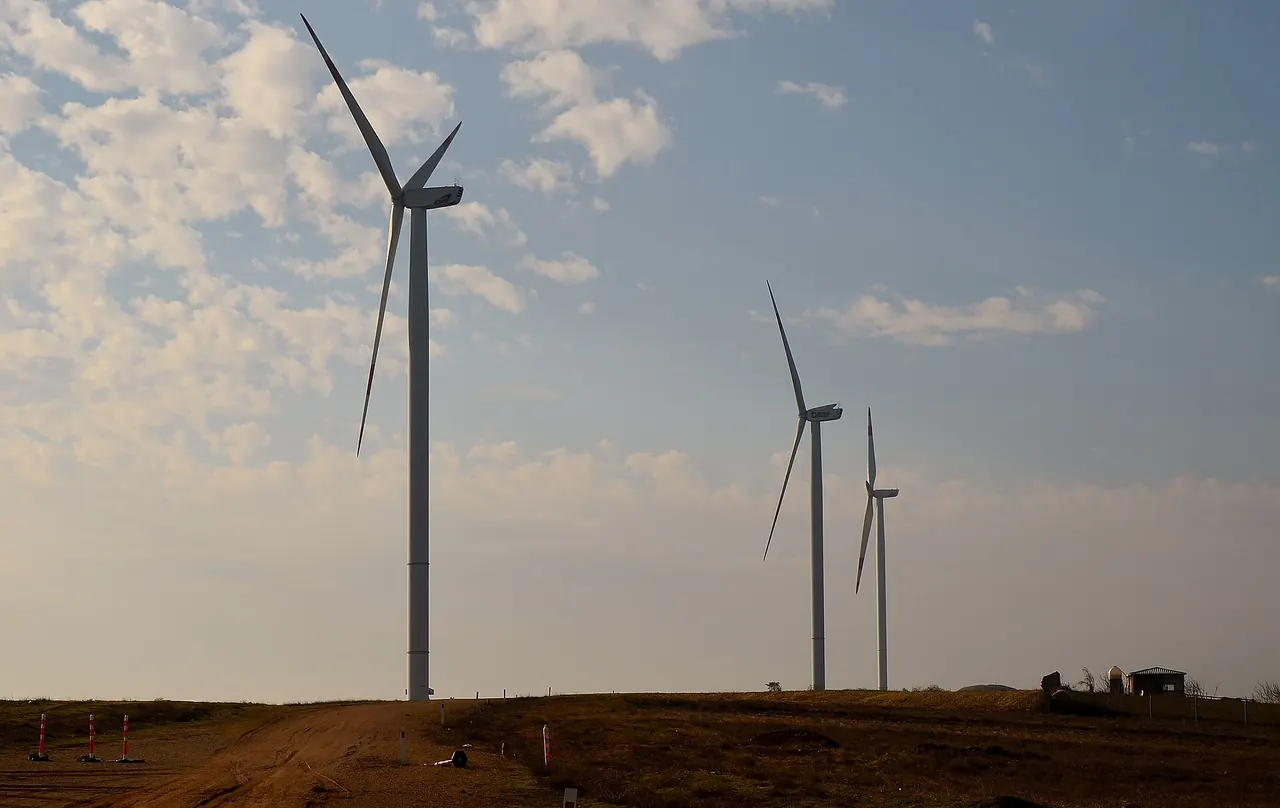
Sembcorp lifts its Oman portfolio to 1.1 GW, including the 125 MW Dhofar II wind project
Dhofar II, developed with OQ Alternative Energy, has a 20-year PPA with Nama PWP and targets commercial operation in Q3 2027. 1 min read
Sembcorp just placed its first wind bet in the Middle East, and Oman is the host.
Singapore based Sembcorp Industries has lifted its Oman energy portfolio to 1.1 gigawatts, including the 125 megawatt Dhofar II Wind Project. Developed in partnership with OQ Alternative Energy, the wind farm carries a 20 year power purchase agreement with Nama PWP and is slated for commercial operation in the third quarter of 2027. Sembcorp also locked in a 10 year power and water purchase agreement for the 465 megawatt Salalah Independent Water and Power Plant, plus a stake in the 588 megawatt peak Manah II Solar IPP built with China’s Jinko Power. Globally, the Singaporean utility now operates 28.5 gigawatts of energy assets, with 20.4 gigawatts already in renewables.
What to look for
The most interesting detail here is the geography of the capital stack. Sembcorp is Singaporean, OQ is Omani, Manah II’s solar partner is Chinese, and the Salalah extension keeps gas firmly in the mix. We read that blend as a sign that Oman is a confidence market for investors who price risk carefully. Keep an eye on whether Dhofar II delivers in Q3 2027; I think on time execution would put Oman near the top of MENA for converting wind awards into operating projects. Watch too for how Sembcorp’s wind returns compare with its solar and gas margins; I suspect that benchmark will shape how quickly other Asian utilities follow.
What it means for MENA
A Singaporean state owned utility with 28.5 GW of operating assets has now taken a Middle East wind mandate. My read is that this broadens MENA wind’s financing base beyond the developers the region already knows, and that other Asian utilities will watch how Dhofar II performs.
Nama PWP is the sole national offtaker of power and water in Oman, and both Dhofar II and the Salalah renewal run through it. I would watch its next wind award closely.
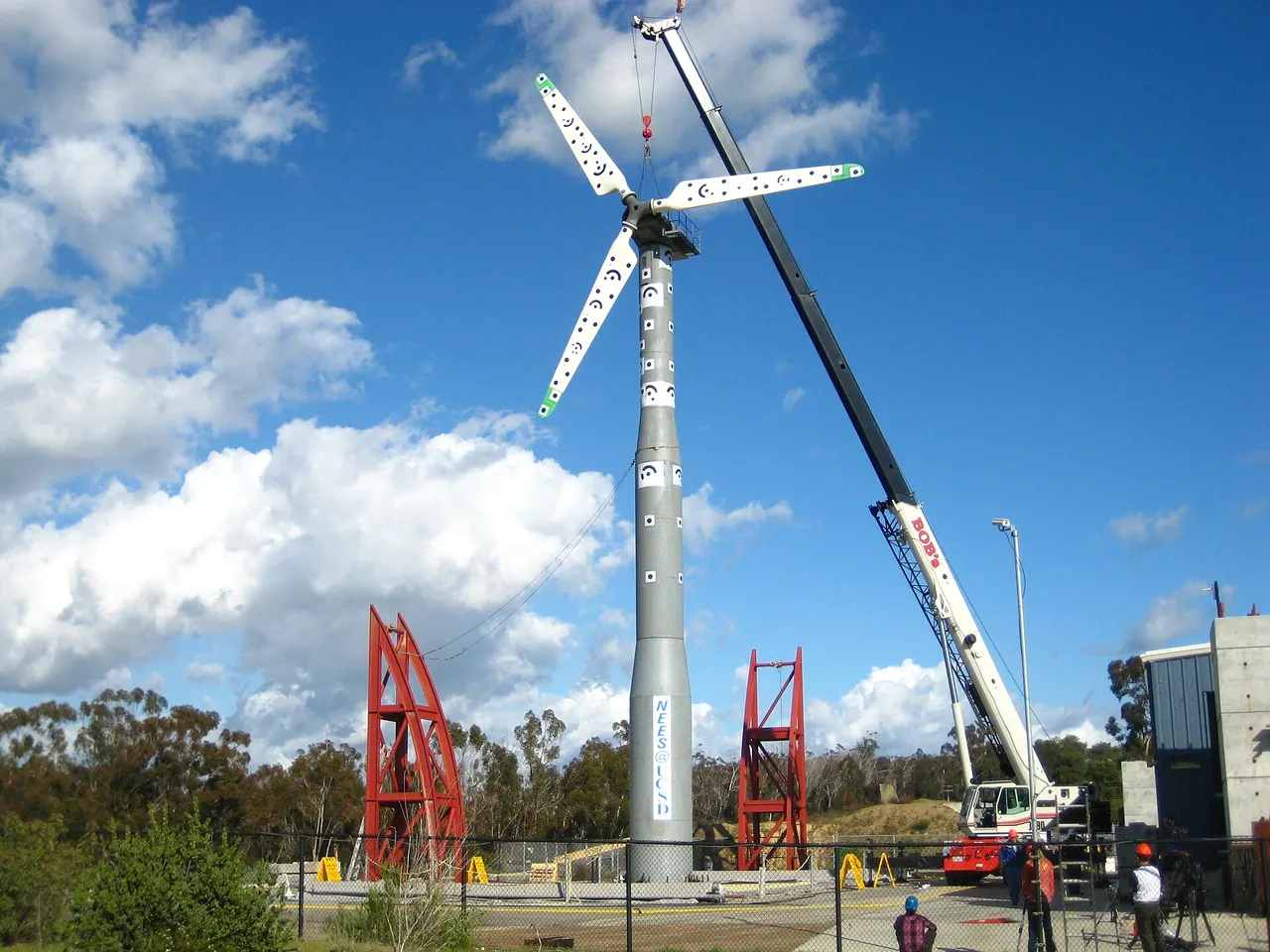
Mawarid Turbine signs for a Duqm plant to make 800 to 1,000 MW of wind turbines a year
OPAZ granted land in the Special Economic Zone at Duqm in January. Phase one, valued at about RO70 million, covers turbine components and blades; phase two adds a tower factory. 2 min read
Oman has signed for a plant to build its own wind turbines.
On 26 January 2026 the Public Authority for Special Economic Zones and Free Zones (OPAZ) signed a usufruct agreement with Mawarid Turbine for a wind turbine manufacturing and assembly plant in the Special Economic Zone at Duqm (SEZAD). Two further agreements cover six wind turbines on separate plots to power the facility. The plant’s expected production capacity is 800 to 1,000 megawatts. Phase one is valued at about RO70 million and includes the manufacture of several turbine components and blades. Phase two will add a specialised factory for towers and other renewable energy components. Mawarid signed technology licensing, research centre, design and Omanisation agreements last year, and is developing an initial concept for a battery production project.
What to look for
The question for the coming months is how fast Mawarid moves from a land agreement to a working production line. Watch for the technology licensor and the turbine models to be named, and check whether new Oman wind tenders specify the machines Mawarid will build. If they do, Oman has created a local preference through the supply chain rather than through policy alone. Also worth following: whether the phase two tower factory moves to financial close.
What it means for MENA
Building the rotating machines is harder than rolling tower steel. If Mawarid’s Duqm facility hits its production range and delivers at scale, it becomes a potential regional supplier as well as a national one. SEZAD’s chief executive says the plant can sell internationally through exports via Duqm Port. In my view, a Middle Eastern turbine manufacturer with a free zone location and a local order book would change the economics for projects across the region, cutting delivery times, reducing currency exposure, and giving developers an alternative to a purely Chinese or European supply chain.
There is a longer story here too. MENA has exported raw materials for generations and imported the hardware built from them. Turbines are sophisticated, high-value capital goods. Every one assembled in Duqm is a step toward rebalancing that equation.