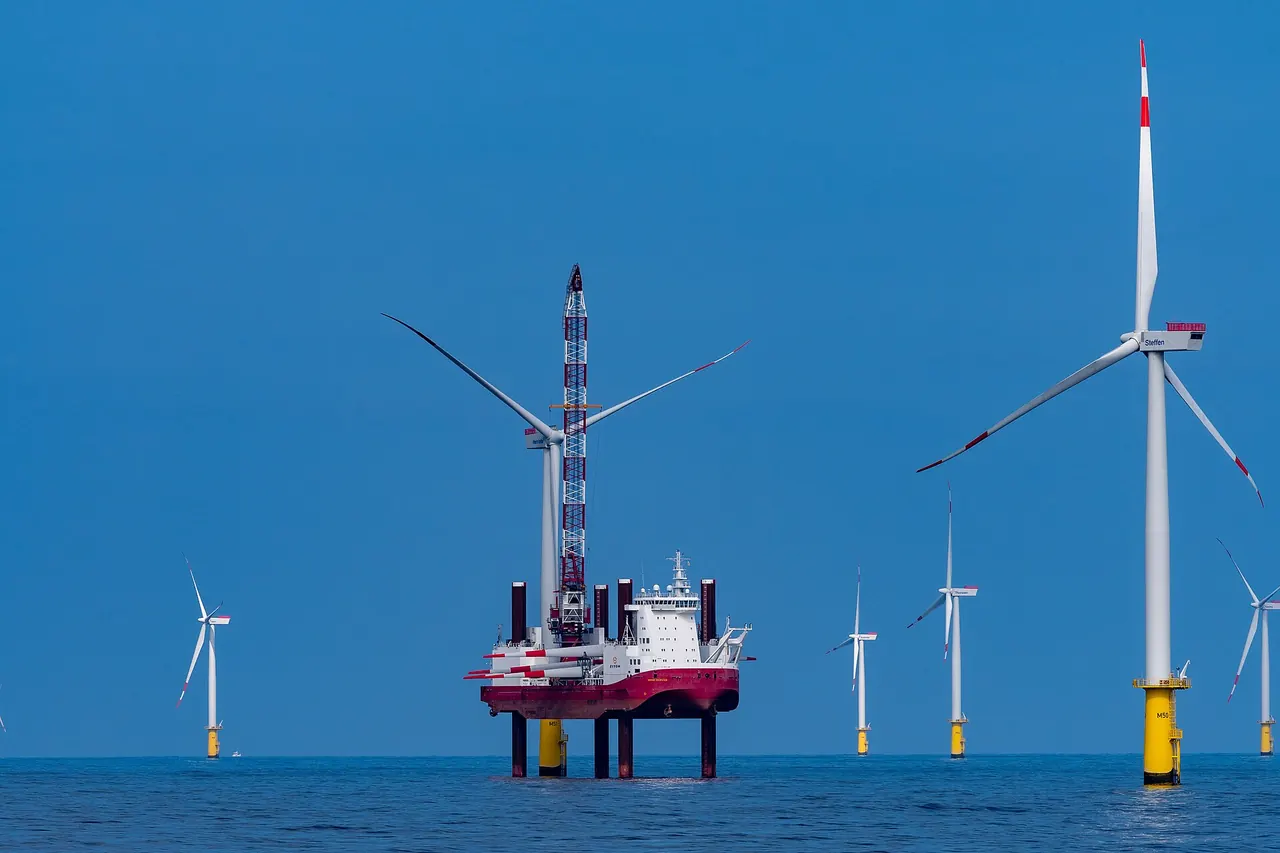
Thirty six turbine generators shipped in. Roughly 150 jobs.
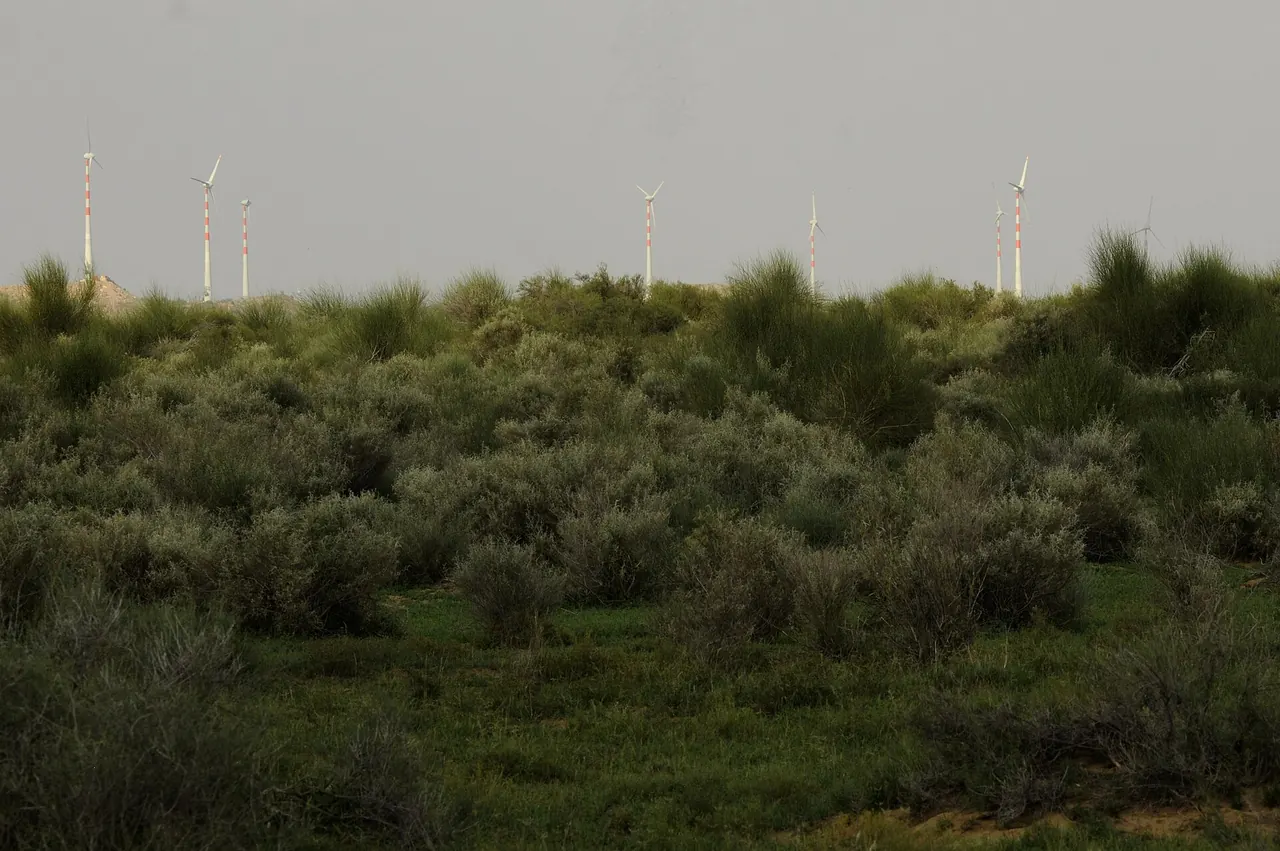
Oman’s Riyah 1 and Riyah 2 are due online by the end of this year, and OQ Alternative Energy has published its local-content numbers. Across the two wind farms and the North Oman Solar plant, more than 330 MW combined, around 30 percent of total project spend stayed inside the national economy. Omani nationals made up about 40 percent of the development and construction workforce. Roughly 150 direct and indirect jobs, plus a community hiring programme agreed with authorities in Wilayat Adam, Shaleem and Al Jazir.
Kumail Said, acting chief executive of OQAE: “Exceeding our in-country value target by three times reflects this commitment and was deliberately planned.”
I want readers to weigh that 150 properly. Two wind farms at 200 metre tip heights, what OQAE calls the longest inland convoy the country has moved, and the resulting employment would fit in a single school hall. By OQAE’s account, the projects beat their in-country value target three times over. I read the number as smaller than gigawatt headlines suggest, and far more concentrated in a handful of towns.
That arithmetic gets tested at scale next, as gigawatt-class wind farms elsewhere in MENA move toward commissioning. Each will produce its own version of the Riyah figures, and for the ones I track I have not found published local-content or employment numbers.
Ask a MENA developer for a local-content percentage and you get one. Ask which wilayats and which trades, and in my experience the room goes quiet. Oman answered.