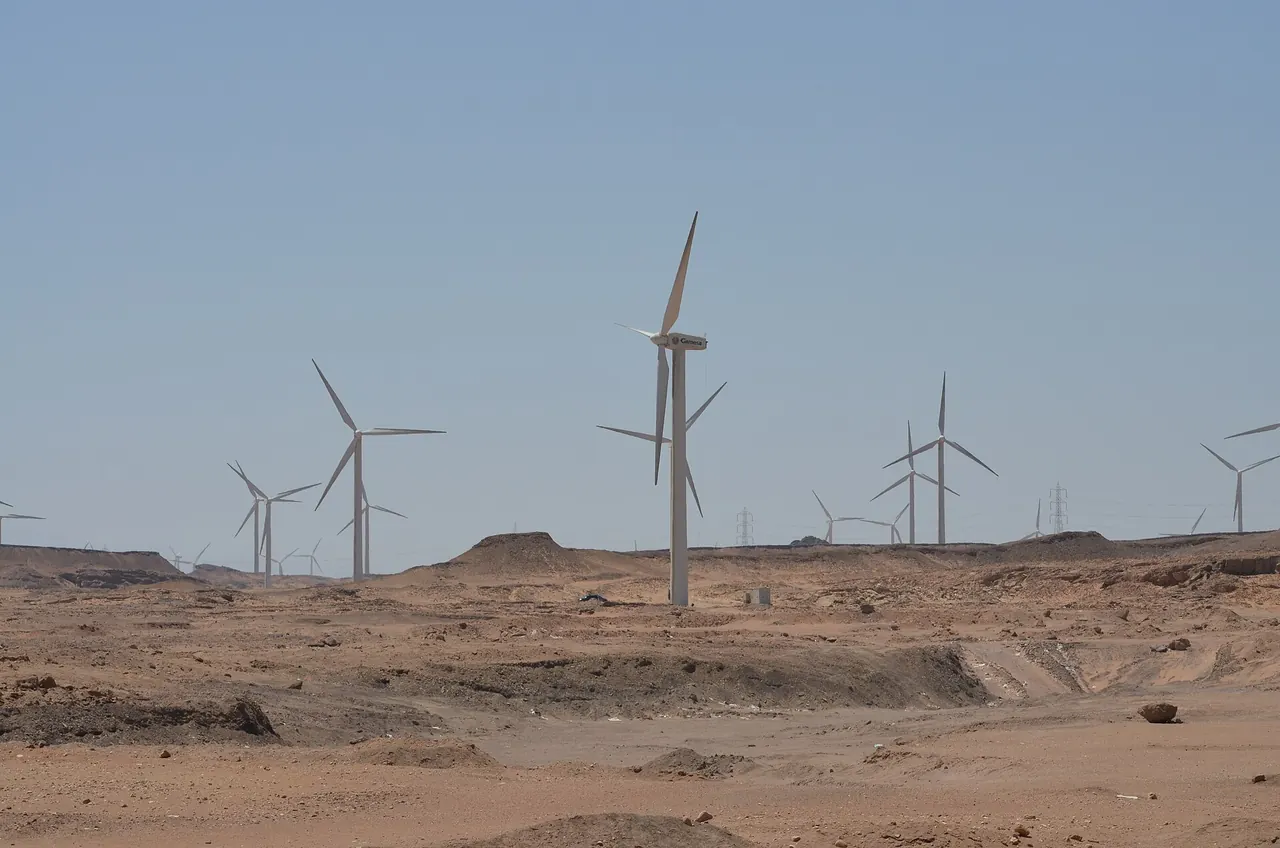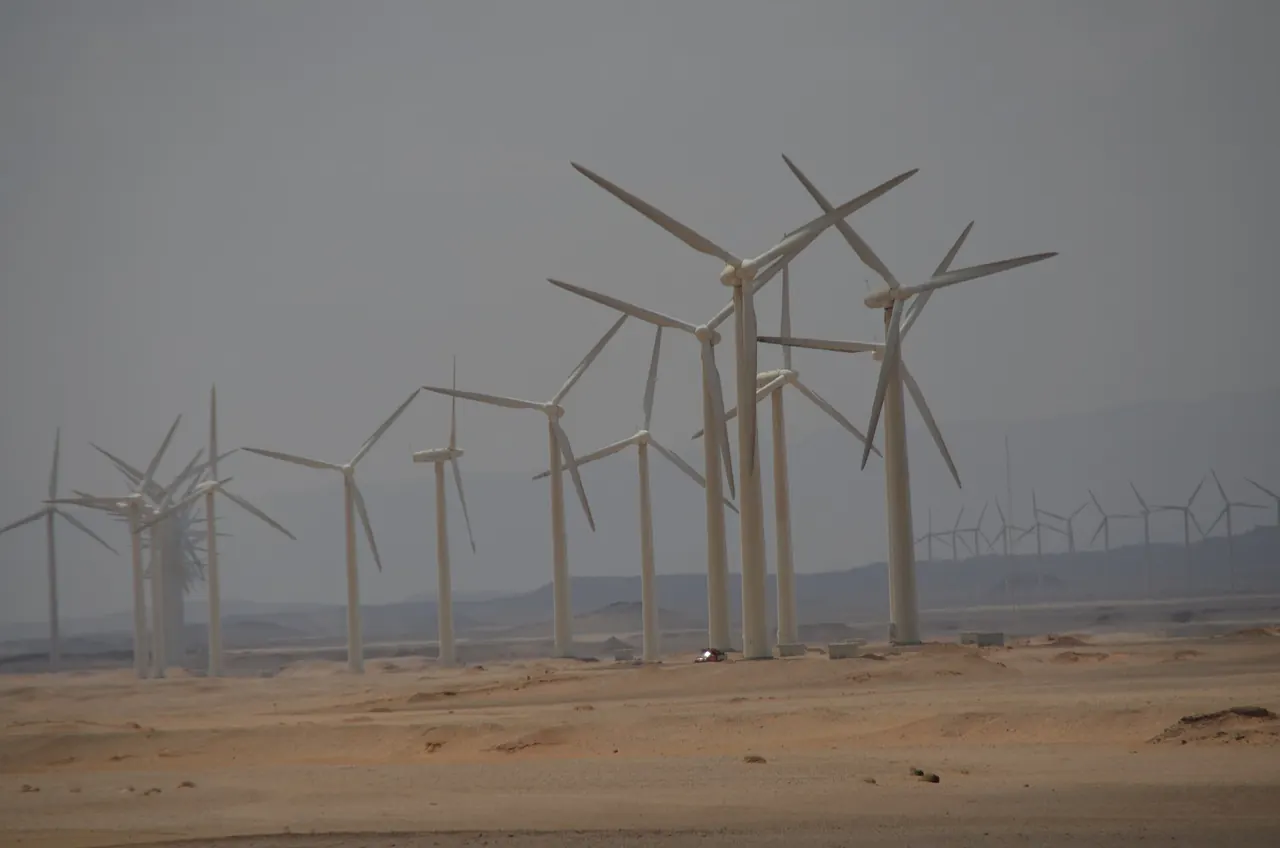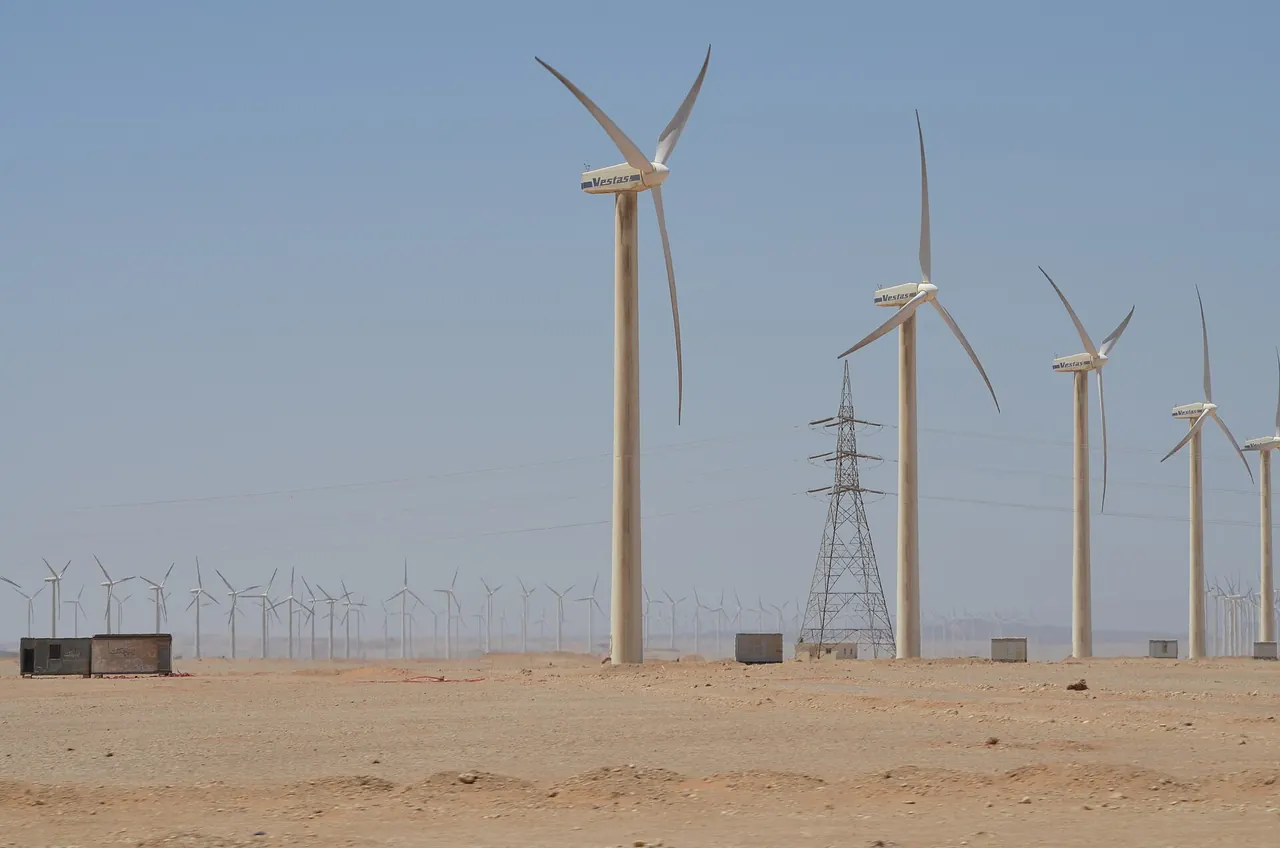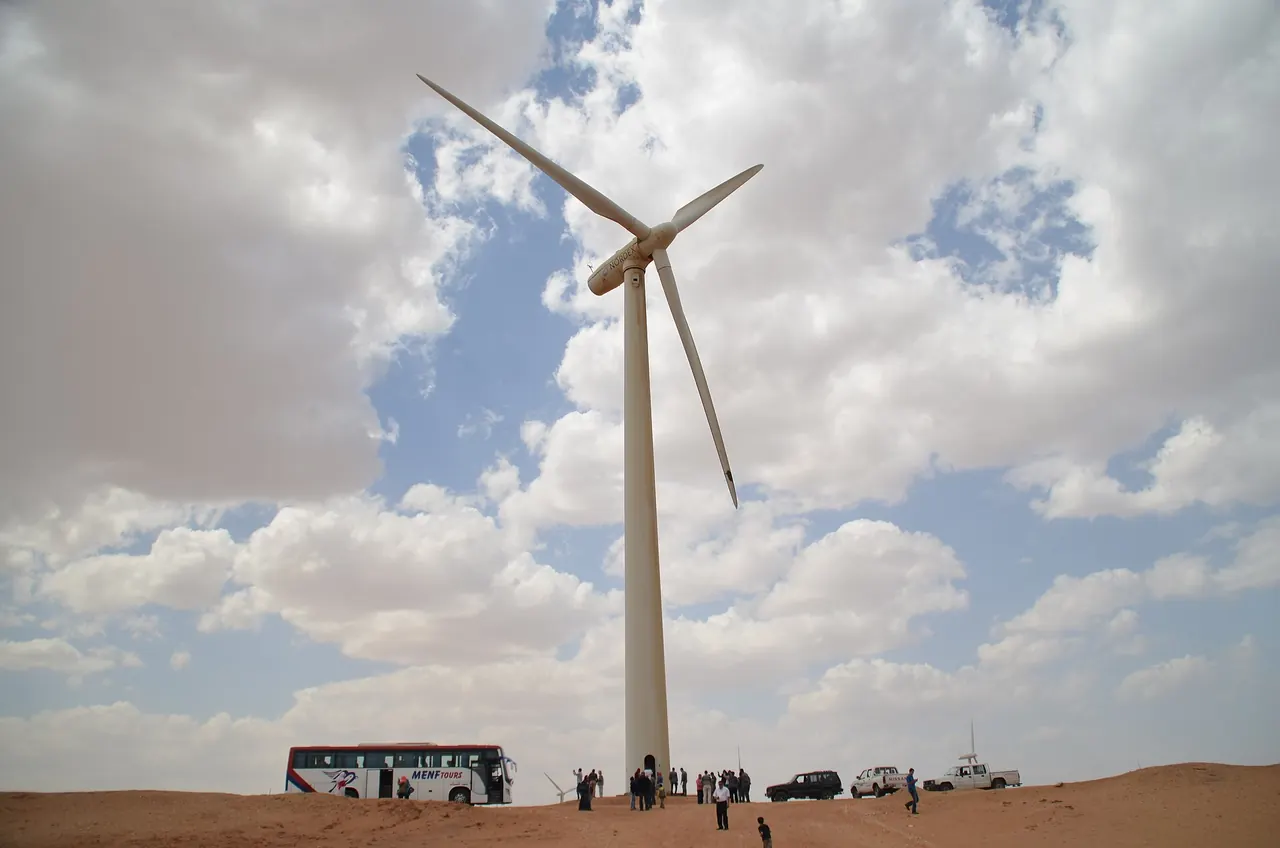
Egypt bills the land under a wind farm in electricity.
Cabinet Resolution 54 of 2023 sets the usufruct charge on NREA land at a minimum of two percent of the value of the energy the plant generates, paid annually in the same currency as the power purchase agreement, across a usufruct that runs up to twenty-five years from commercial operation. Run the arithmetic and the land bill for a 25-year wind project comes to roughly six months of its own output.
That percentage is not unusual by itself. American wind royalties typically clear between one and four percent of gross revenue, according to NYSERDA. What differs is the recipient. Under Egypt’s regime the cheque goes to NREA and the governorates.
Two clauses in that resolution deserve more attention than they get.
The first: NREA can auction a site and select the winner on the usufruct percentage itself. Land is a bid variable in Egypt. A developer can compete margin away on rent as readily as on tariff.
The second: investors must deliver met mast measurements to NREA quarterly, and if they do not complete the project, the data and studies become NREA property. Egypt banks the wind resource dataset whether or not the turbines ever turn.
The two percent is a floor, and it was negotiated. Before 2019, governorates were quoting five to seven percent. NREA talked them down.
I keep asking one question. As Egypt hands land to ACWA Power and Masdar for 10 GW wind projects each, and to the Scatec-Orascom consortium for 8 GW, does a two percent floor survive contact with the best sites?